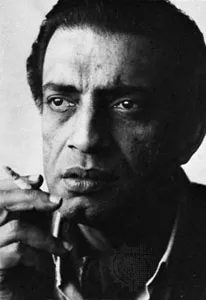
He was an advertising man who likes drawing books. Then he liquidated his entire life and went to the village to make a film. This is the origin story of Satyajit Ray.
Ray was born on May 2, 1921 in Calcutta and studied under Rabindranath Tagore. He didn’t start out as a film director. He became an art director in an advertising agency. He illustrated books. He made a living from his design work.
Then there is Pather Panchali.
In 1955, this film cost him everything. he sold his possessions.
The result was more than just a movie.
This is the story of rural life that shocked the world.
It made Indian movies known to people who didn’t know they existed.
The Apu trilogy changed everything.
Pather Panchali is just the beginning.
“Aparajito” was followed in 1956. “The World of Apu” was landed in 1959. The trilogy was brilliant. It brought global attention to Indian cinema. Critics noticed. The audience listened.
Ray didn’t stop there. He kept making films that are like poems.
Devi (1960) deals with superstition. Two Daughters (1961) focuses on family. The Big City (1964) contrasts urban and rural life. The Lonely Wife (1964) is a study of loneliness. Every film conveys his humanism. Each one had his touch.
He wrote all his screenplays himself. That was his method. He also composed music. Not every time. But it’s often enough to set the tone.
His short stories paid the bills. The novellas were his main income source. Movies are his passion. Books are his bread.
The Chess Players (1977) brings the historical drama to the big screen. The Home and the World (1984) explores nationalism. His career as a director ended with The Visitor (1990). He died in Calcutta on 23 April 1992.
It’s not about why he’s famous. It’s why it took so long for the world to get to know him. Book illustrator. Advertising man. A village storyteller. He had no background in the film industry. He just had a camera and refusal to lie.
What happens if you remove the studio system? What if you let a single person control the image, sound, and script?
Ray didn’t just make movies. He made a window.