


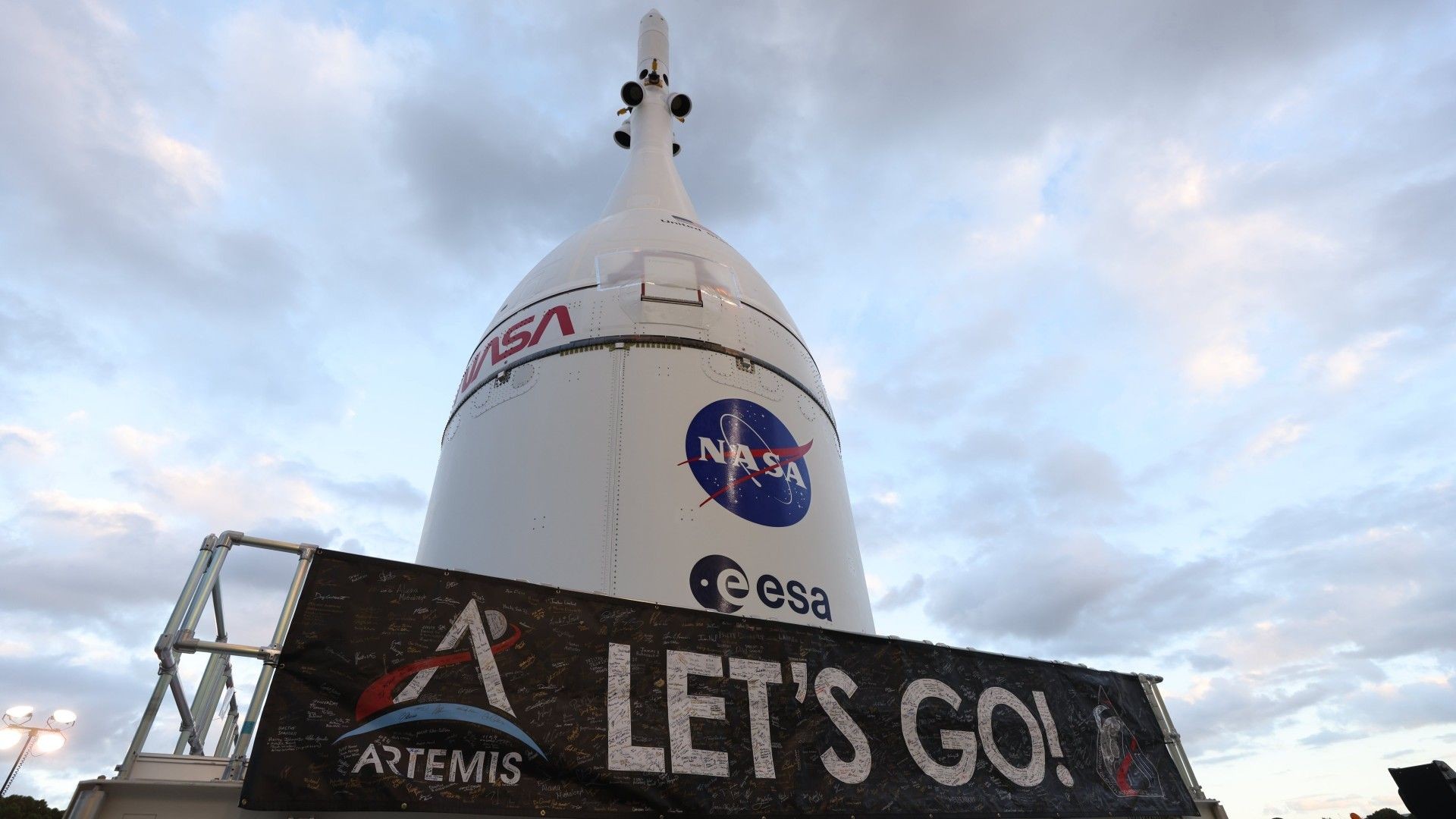
NASA’s upcoming Artemis 2 mission, sending a crewed flight around the moon in early 2026, signals a fundamental shift in US space policy. Unlike the Cold War-era Apollo program, which was defined by direct competition with the Soviet Union, Artemis represents a broader strategy focused on sustained presence, international partnerships, and establishing norms for lunar activity. This contrasts sharply with China’s more centralized and less transparent approach to lunar exploration.
From Two-Player Game to a Crowded Field
For decades, space exploration was a clear rivalry between the US and the Soviet Union. Each nation sought to demonstrate technological superiority and national prestige through symbolic achievements, like the first moon landing. However, the landscape has changed dramatically. Today, multiple countries, including China, India, and private entities like SpaceX, are vying for a foothold on the moon.
The stakes are no longer simply about “firsts.” They now involve establishing long-term capabilities, securing access to resources, and shaping the rules of engagement for future lunar activity. As the author states, countries that show up, operate repeatedly, and demonstrate how activity on the lunar surface can be carried out over time shape expectations.
The Strategic Value of Sustained Presence
Artemis 2 itself will not land on the moon; the crew will loop around the far side to test critical systems. This may seem modest, but the mission serves a vital strategic purpose. Sending humans beyond low Earth orbit demonstrates sustained political and financial commitment—essential for attracting international and commercial partners.
The mission is a stepping stone to Artemis 3, which aims to land astronauts near the moon’s south pole by 2028. A credible, near-term human return signals that the US intends to move beyond one-off experiments towards a permanent presence. This is crucial because sustained activity shapes the future of lunar governance.
Two Competing Models
The contrast between US and Chinese approaches is striking. China’s program is centrally directed, tightly controlled, and lacks transparency regarding coordination with other actors. The U.S., by contrast, is embracing an intentionally open model through the Artemis program, inviting participation from both international partners and private companies.
This openness isn’t accidental. It’s a deliberate strategy to build coalitions that expand capabilities and establish norms for lunar operations. The author notes that the US is shaping how activity on the moon is conducted rather than simply competing for isolated achievements.
Why Rules Now Matter
International space law, embodied in the 1967 Outer Space Treaty, requires countries to conduct activities with “due regard” for others. However, this principle has remained largely theoretical until now. As more actors converge on the moon, particularly around resource-rich regions like the south pole, “due regard” becomes an immediate operational concern.
The ambiguity of existing rules mirrors similar challenges in maritime law, where unclear regulations have led to disputes over resource extraction and military activity. The moon is approaching a similar phase, where defining acceptable behavior will be critical to avoid conflict.
US Policy Prioritizes Continuity
The US government recognizes the strategic importance of sustained lunar operations. Recent executive orders affirm federal support for long-term activity, commercial participation, and interagency coordination. Unlike a reactive approach, the US is focusing on building a stable, predictable framework for lunar exploration.
As NASA Administrator Jared Isaacman emphasized, the goal is to keep US space efforts on track over time—linking the success of Artemis to long-term leadership in space. This means prioritizing continuity over knee-jerk reactions to competitors’ achievements.
In conclusion, Artemis 2 is more than just another moon mission. It represents a new era of space exploration, where sustained presence, partnerships, and clear operating practices will determine leadership. The US strategy, built on transparency and collaboration, aims to shape the future of lunar activity in a way that reduces uncertainty and encourages responsible behavior.


