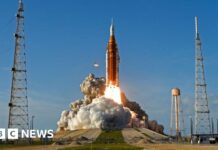
NASA has achieved a significant milestone in its modern era of space exploration with the successful completion of the Artemis II mission, marking a historic loop around the Moon. This mission represents a critical step forward in returning humans to the lunar environment, building upon the legacy of the mid-20th-century space race while utilizing cutting-edge technology.
Bridging the Gap Between Apollo and Artemis
To understand the significance of Artemis II, one must look back at the Apollo program. Initiated following President John F. Kennedy’s 1961 mandate to land humans on the Moon, the Apollo missions were groundbreaking, proving that humanity could navigate deep space and return safely to Earth.
However, while Apollo was about reaching the Moon, the Artemis program is about staying there. Artemis II serves as a vital bridge, testing the systems and human endurance required for long-duration lunar presence and, eventually, the much more complex journey to Mars.
Navigating the Lunar Environment
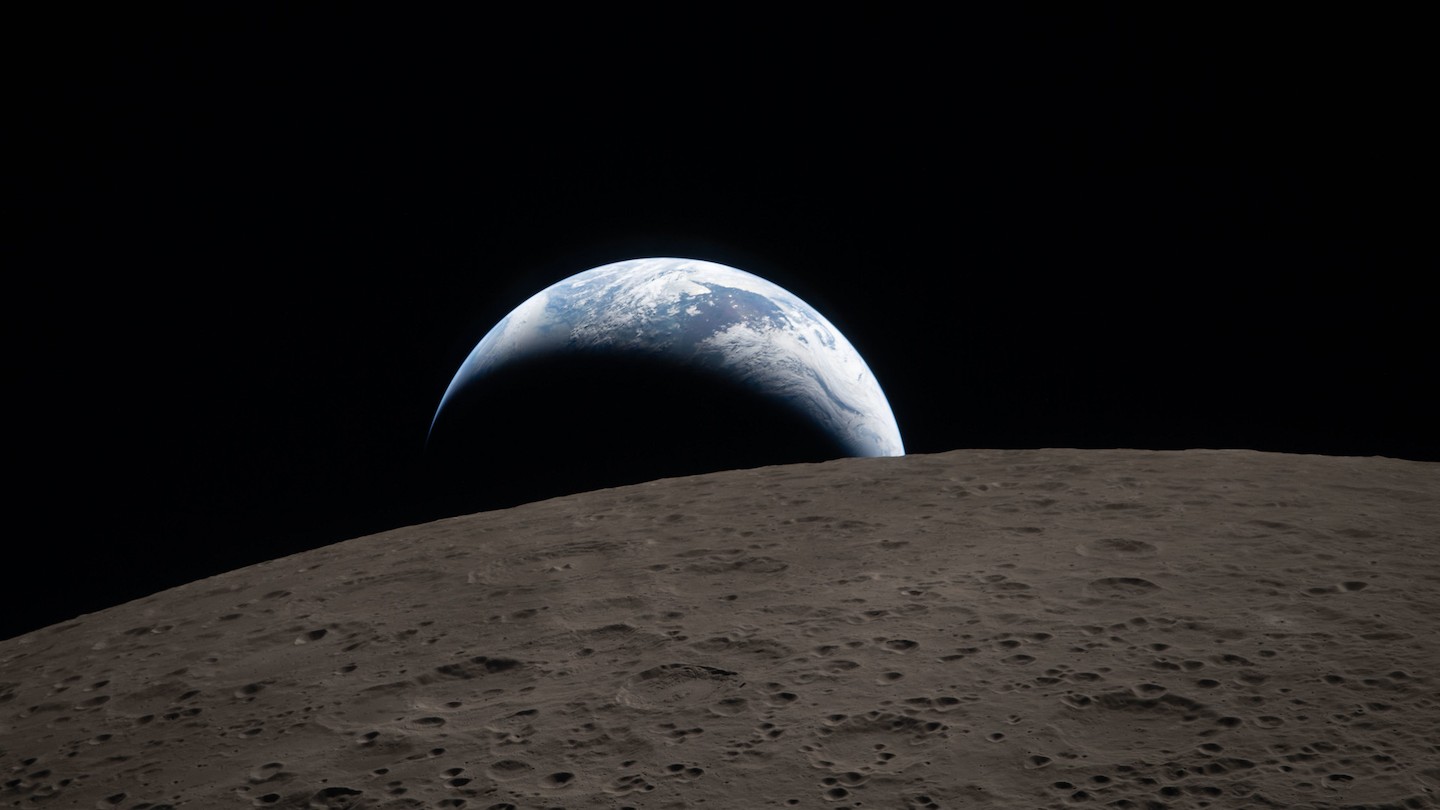
The Moon is far from a uniform landscape. For astronauts to successfully land and operate on the surface, they must contend with a complex and often hostile terrain. Understanding the lunar surface is essential for mission safety:
- Craters: These bowl-shaped cavities, formed by meteorite impacts, create treacherous obstacles for landing modules.
- Basins: Low-lying areas that collect fine silt and sediment, which can affect the stability of landing sites.
- Meteorites: Constant bombardment from space debris makes the lunar surface a dynamic and unpredictable environment.
By completing this orbital loop, NASA is gathering essential data on how spacecraft interact with the lunar environment and how human crews can best navigate these geological features.
The Importance of Deep Space Research
The success of Artemis II is not just about the flight path; it is about the science of survival in the void. Space exploration requires a mastery of several disciplines:
- Chemistry: Essential for managing life-support systems and understanding how various compounds react in the vacuum of space.
- Robotics: Highly advanced machines are used to scout terrain and perform tasks that are too dangerous or precise for humans.
- Astronomy: Observing phenomena like the solar corona (the Sun’s outer atmosphere) and understanding the mechanics of eclipses helps scientists understand the radiation and light conditions astronauts will face.
The mission is a testament to human ingenuity, transitioning from the “flags and footprints” era of the 1960s to a sustainable, scientific presence in deep space.
Conclusion
The successful loop of Artemis II marks the beginning of a new chapter in lunar exploration. By mastering the complexities of the Moon’s terrain and the challenges of deep space, NASA is laying the groundwork for permanent human habitation beyond Earth.