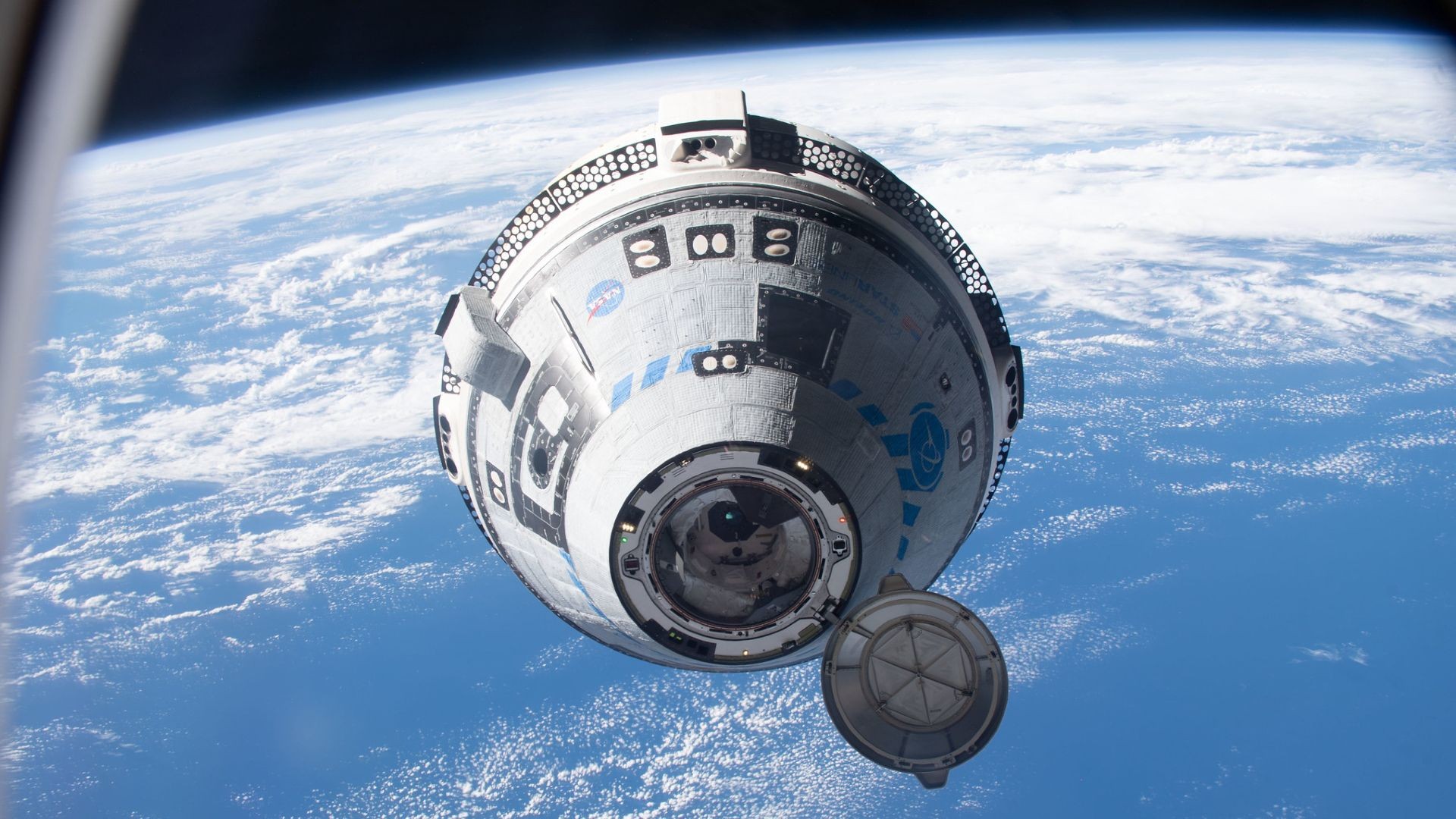
NASA has officially designated Boeing’s first crewed Starliner mission as a “Type A mishap” – the agency’s highest severity classification, reserved for catastrophic failures akin to the Challenger and Columbia space shuttle disasters. The decision, announced February 19th, acknowledges that the June 2024 Crew Flight Test (CFT) came dangerously close to ending in tragedy due to multiple critical failures.
Near-Catastrophic Control Loss
During the mission, the Starliner spacecraft experienced repeated thruster malfunctions while en route to the International Space Station (ISS), momentarily losing full control of its orientation and trajectory. According to NASA Administrator Jared Isaacman, had the thrusters not recovered, or docking failed, the outcome “could have been very, very different.” The crew, astronauts Suni Williams and Butch Wilmore, ultimately reached the ISS safely, but the mission’s instability forced an extended stay as engineers investigated the issues.
Delayed Acknowledgment and Programmatic Pressure
NASA initially downplayed the severity of the incident, delaying classification as a Type A mishap. Isaacman revealed that this was due to pressure to secure Starliner certification for operational missions. Concerns about the program’s reputation “exceeded reasonable balance,” placing the mission, crew, and America’s space program at unnecessary risk. The agency has now corrected the record, acknowledging the true danger presented by the mission’s failures.
Persistent Technical Issues
After months of orbital troubleshooting, NASA decided to return Starliner uncrewed in September 2024. The capsule’s descent was also problematic, with an “unexpected crew module propulsion failure” and insufficient redundancy in its thruster systems. Williams and Wilmore ultimately returned to Earth on a SpaceX Crew Dragon in March, having spent nine months in space instead of the planned ten days before retiring from the agency.
Implications for Future Missions
The Starliner program aims to provide a second independent astronaut taxi service alongside SpaceX, fulfilling NASA’s goal of redundancy for ISS access. However, the CFT failures underscore serious technical shortcomings that must be addressed before crewed flights resume. Boeing is currently focused on resolving the root causes of the thruster issues, with an uncrewed cargo mission tentatively scheduled for April.
The Future of ISS and Starliner
With the ISS slated for decommissioning in 2030, Starliner’s operational window for crewed flights to the station may be limited. Despite this, NASA believes the spacecraft has broader utility beyond the ISS’s lifespan, though this depends on resolving the persistent technical challenges revealed by the near-disaster of its first crewed mission.
This incident serves as a stark reminder that even in advanced space programs, failures can occur. Transparency and accountability are critical to prevent repeating mistakes and ensuring astronaut safety.