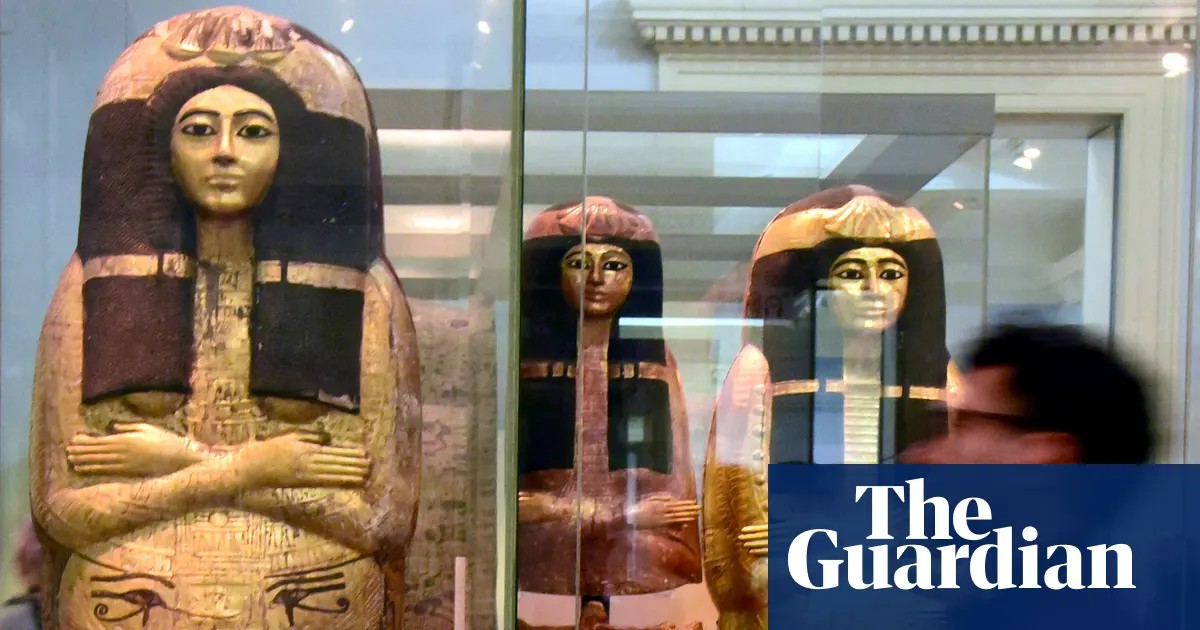
British museums and universities are holding over 263,000 human remains sourced from around the world, many acquired during the colonial era, according to a new investigation. The scale of the collections, including skeletons, mummies, and fragmented body parts, has sparked outrage from MPs and experts who condemn it as a lasting legacy of exploitation.
Colonial Legacy and Lack of Transparency
Freedom of Information requests reveal that at least 37,000 remains are confirmed to originate from overseas, with another 16,000 of unknown provenance. The majority come from former British colonies, with Africa accounting for 11,856 items, followed by Asia (9,550), Oceania (3,252), and the Americas (combined 4,256). This raises questions about how these remains were obtained, given that many were likely taken without consent during periods of imperial control.
The Natural History Museum in London holds the largest collection (11,215+ items), while the University of Cambridge’s Duckworth laboratory has the largest collection of remains from Africa (6,223+). Shockingly, over half of the 241 institutions surveyed could not provide precise figures, with some admitting to storing remains in unmarked boxes, losing track of their origins entirely.
Ethical Concerns and Calls for Repatriation
Critics argue that these collections represent a profound disrespect for the dead and perpetuate colonial-era abuses. Lord Paul Boateng labeled these institutions “imperial charnel houses,” where Indigenous remains are kept with little regard for cultural sensitivities. MP Bell Ribeiro-Addy described the practice as “barbaric” and likened it to a crime, highlighting the lack of dignity afforded to the deceased.
The current situation contradicts the Department for Culture, Media and Sport’s (DCMS) 2005 guidance, which claimed most UK remains were of domestic origin. Experts, like Professor Dan Hicks, point out that many remains were looted from cemeteries and battlefields by colonial forces as trophies or used for discredited racial pseudoscience.
Government Response and Future Action
The DCMS and the University of Cambridge declined to comment. The Museums Association acknowledged the colonial origins of many collections and supports updated ethical guidelines. The Natural History Museum claims it has not refused repatriation requests when origins are verified, but the broader lack of transparency and systematic record-keeping remains a major issue.
Calls are growing for a national register of human remains and mandatory guidelines for their return to originating countries and communities, wherever possible. The continued warehousing of these remains perpetuates colonial violence and disrespects the fundamental dignity of the dead.