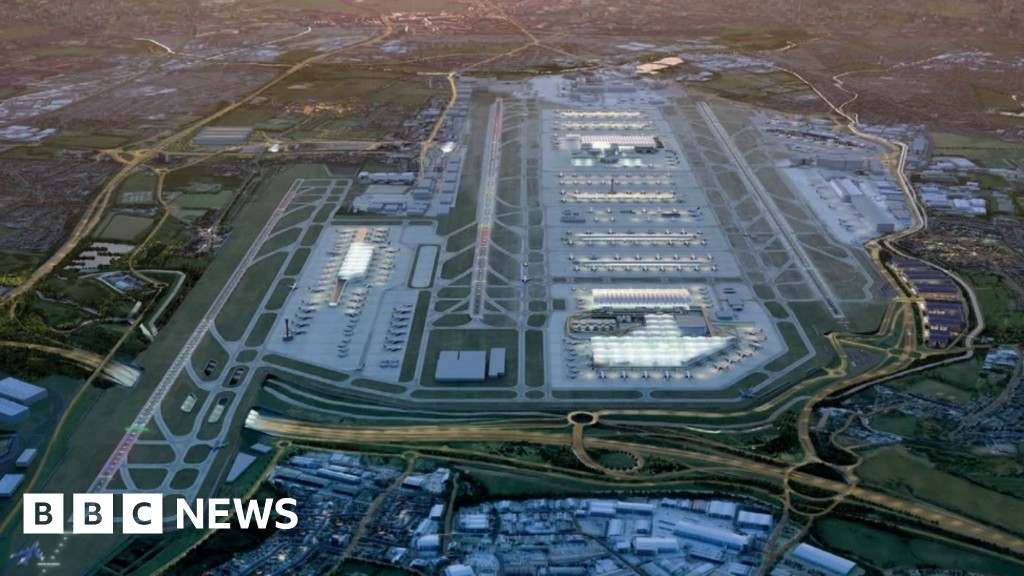
Conservative MP Jack Rankin, representing Windsor in Berkshire, has voiced strong opposition to the proposed £49 billion expansion of Heathrow Airport, while simultaneously advocating for a new rail link to the facility. The conflict highlights a common tension between economic development and local quality of life.
Heathrow’s Expansion Plans
Heathrow’s modernization project includes a third runway, necessitating diversions to the M25 motorway and construction of a new road tunnel beneath the airport. The expansion is framed by the airport and the government as “urgent,” citing current capacity limits. This urgency is driven by the need to accommodate growing passenger and cargo volumes, and to maintain the UK’s position as a major international hub.
Local Concerns Outweigh Economic Benefits
Rankin argues that the economic gains from expansion are overshadowed by negative impacts on his constituents. Many residents live directly under flight paths, raising concerns about noise pollution and increased traffic congestion. He stated, “Fundamentally, I do not believe that there is space in our infrastructure locally.”
The expansion would bring additional terminals, hotels, and parking facilities – creating jobs, but also exacerbating existing infrastructure strain. For many in the area, traffic, development, noise, and pollution are already at unacceptable levels.
The Rail Link Solution
Despite opposing the runway expansion, Rankin champions a western rail link connecting Reading and Heathrow. This could reduce reliance on road transport, easing congestion. Network Rail’s original plan, which included a new tunnel to cut journey times to 20-30 minutes, was shelved in 2020 due to cost and planning issues.
The debate now centers on funding. Rankin notes that multiple Berkshire MPs are lobbying for the rail link, but securing financing remains a major hurdle. Currently, train travelers must route through London Paddington before connecting to the Heathrow Express.
Broader Economic Context
Business groups argue that expansion would boost trade and investment by improving access to global markets. Heathrow CEO Thomas Woldbye has echoed this sentiment, emphasizing the airport’s current operational limits. Chancellor Rachel Reeves recently reaffirmed support for the third runway, aiming for advancements by 2029, with the goal of making the UK “the world’s best connected place to do business”.
The conflict between expansion and local concerns is a recurring theme in infrastructure projects. While economic growth often requires development, the cost can be borne disproportionately by communities near major facilities.
The situation illustrates the difficulty in balancing national economic priorities with local environmental and quality-of-life considerations. Without a viable rail alternative, local opposition to the expansion will likely remain strong.