Scientists are preparing to launch a coordinated research effort over the Atlantic Ocean to enhance predictions of atmospheric rivers – intense weather systems that deliver extreme rainfall and flooding. The collaboration between the United States, Canada, and Europe aims to provide communities on both sides of the Atlantic, including those in the Pacific Northwest of the US and parts of Europe, with earlier warnings for these destructive events.
Understanding Atmospheric Rivers
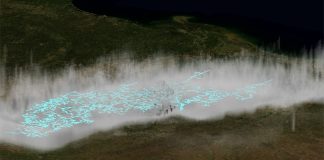
Atmospheric rivers are essentially concentrated bands of water vapor in the atmosphere, often originating in the tropics. These systems can stretch for hundreds of miles and carry moisture levels equivalent to 25 times the average flow of the Mississippi River. When they encounter rising air currents, the water vapor condenses, resulting in torrential rainfall, heavy snow, or damaging ice storms.
The research is particularly relevant now, as the Pacific Northwest has already experienced flooding from atmospheric rivers this month. Improving forecasts will be critical as climate change continues to intensify these weather events.
The Research Effort
Starting in January, research flights will operate from Ireland (led by France and Germany) and from Goose Bay, Canada (using a NASA aircraft). The Scripps Institution of Oceanography at UC San Diego and the National Oceanic and Atmospheric Administration (NOAA) are coordinating the effort. According to research meteorologist Marty Ralph, measurements gathered in the Atlantic will directly improve long-range forecasts for the West Coast of the United States.
The program was announced at the American Geophysical Union’s annual meeting, highlighting the scientific community’s growing focus on understanding and predicting extreme weather.
Why This Matters
Atmospheric rivers are a natural phenomenon, but their intensity and frequency are increasing due to a warmer climate. Better forecasting is no longer just about scientific curiosity; it’s about protecting lives and infrastructure.
Improved prediction of atmospheric rivers will allow for more effective disaster preparedness, helping communities mitigate the devastating impacts of extreme rainfall and flooding.
The upcoming research flights represent a crucial step toward refining our ability to anticipate and respond to these powerful weather systems.