A recent investigation into the modern narcotics market reveals a profound shift in how drugs are produced, distributed, and consumed. The era of massive, centralized cartels is being supplemented—and in some ways superseded—by a highly democratized, decentralized model of “armchair chemists” and solo distributors operating from small apartments.
The New Model of Distribution
Through a year-long investigation, a profile of an independent dealer known as “Chemical Analyst” illustrates the mechanics of this new frontier. Unlike traditional gang-led operations, this model relies on:
- Globalized Sourcing: Raw, highly potent synthetic compounds are ordered from labs in China and shipped via standard international mail.
- Digital Infrastructure: Transactions are conducted through websites accessible on the regular internet (not just the “darknet”) and settled using privacy-focused cryptocurrencies.
- Micro-Distribution: Small-scale dealers repackage bulk shipments into tiny, highly potent doses for domestic sale.
This shift makes law enforcement’s job significantly harder. Because these operations are conducted by individuals rather than large organizations, there are fewer physical footprints to track, and the “supply chain” is as simple as a standard e-commerce transaction.
The Chemistry of Danger: Why Potency Matters
The drugs entering the market today are not just different in origin; they are exponentially more powerful than traditional substances. The investigation highlights several alarming trends:
1. Extreme Potency
New synthetic compounds are reaching levels of strength that defy traditional toxicology. For example, the emerging drug cyclorphine is estimated to be 250 to 500 times stronger than heroin and ten times more potent than fentanyl.
2. The “Moving Target” Problem
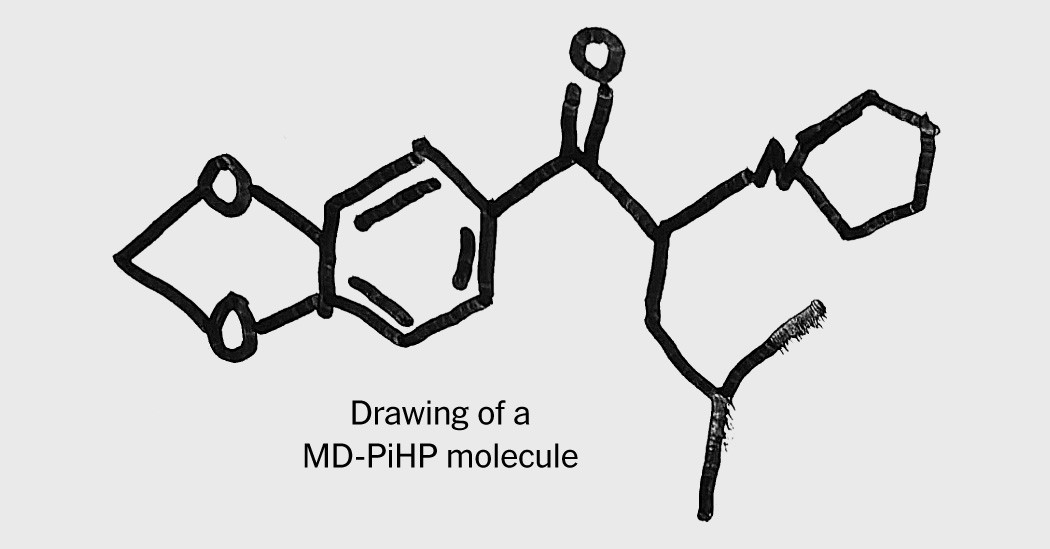
Drug manufacturers frequently alter molecular structures to stay ahead of the law. A substance like MD-PiHP (a potent stimulant) is chemically nearly identical to older, banned substances like MDPV. This constant chemical evolution means that by the time regulators identify and ban one compound, several more “novel” variations have already entered the market.
3. Low Cost, High Risk
The economics of synthetic drugs have changed the landscape of addiction. Because these chemicals are so concentrated, the cost of a single dose can be less than $1. This extreme affordability, combined with extreme potency, creates a high-risk environment for users.
A Feedback Loop Between Users and Manufacturers
Perhaps the most sophisticated aspect of this new market is the direct communication between users and producers. Small-scale dealers and “armchair chemists” do not just buy what is available; they actively influence what is manufactured.
By scouring medical literature and discussing forgotten molecules, these individuals propose new chemical structures to manufacturers in China. This creates a dangerous innovation loop :
1. Users/Dealers propose a new molecular structure.
2. Manufacturers produce a small batch to test market demand.
3. The Market adopts the drug if it proves popular, leading to mass-market distribution.
“They get ideas from us,” says Chemical Analyst, noting that small-scale dealers provide the direct contact and feedback that drives chemical innovation in illicit labs.
Conclusion
The drug trade is moving away from territorial gang warfare and toward a globalized, digital, and chemically fluid marketplace. This decentralization, driven by extreme potency and rapid chemical innovation, presents an unprecedented challenge for global drug interdiction and public health efforts.