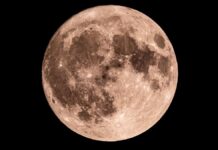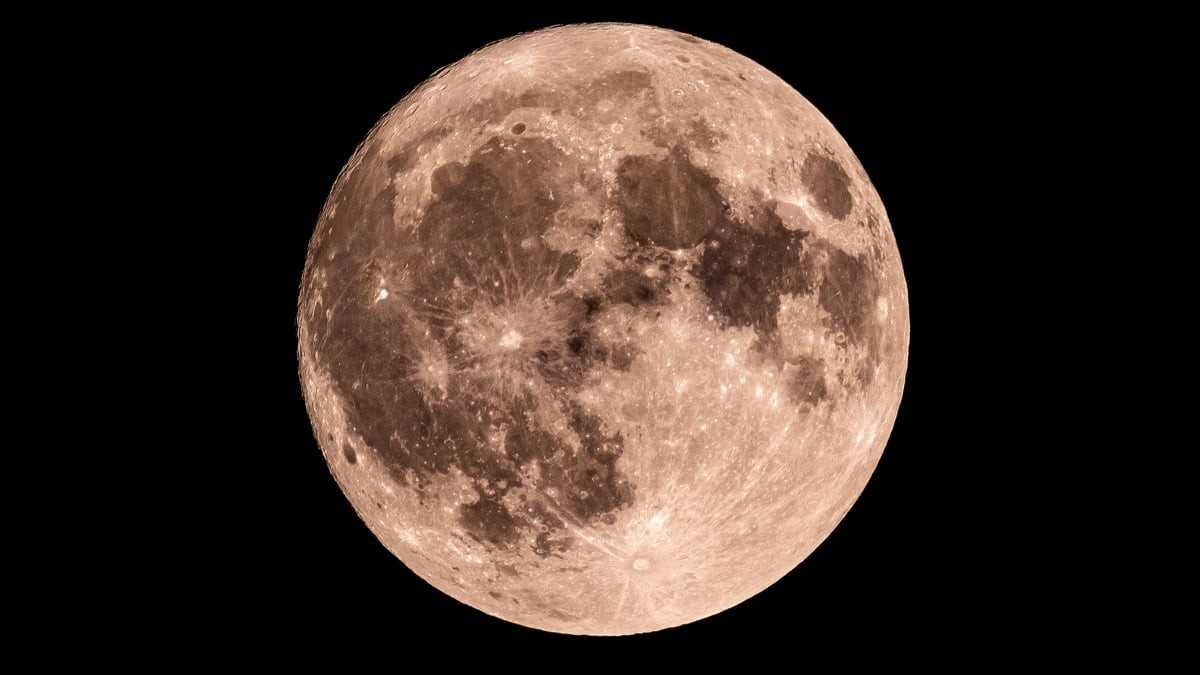
On January 22, 2025, the Moon is in its Waxing Crescent phase, meaning a small sliver of illumination is becoming visible after the New Moon. Approximately 14% of the lunar surface is currently lit, making it noticeably brighter in the night sky than it was just a few days prior.
What You Can See Tonight
Tonight, observers can identify the Crisum and Fecunditatis maria – large, dark basaltic plains formed by ancient volcanic eruptions. For those with binoculars or telescopes, the Endymion Crater is also visible, offering a closer look at lunar geology. These features are not just random spots; they are remnants of a violent past where the Moon was heavily bombarded by asteroids and meteorites.
The Lunar Cycle Explained
The Moon’s phases are a result of its orbit around Earth and the changing angles at which sunlight illuminates its surface. A full cycle, from New Moon to New Moon, takes approximately 29.5 days. Here’s a breakdown of the eight key phases:
- New Moon: The Moon is positioned between Earth and the Sun, making its visible side dark.
- Waxing Crescent: A thin sliver of light appears, growing each night.
- First Quarter: Half of the Moon is illuminated, resembling a half-circle.
- Waxing Gibbous: More than half of the Moon is lit, but not yet full.
- Full Moon: The entire visible surface is bright.
- Waning Gibbous: Light begins to decrease on one side.
- Third Quarter (Last Quarter): The opposite half of the Moon is illuminated.
- Waning Crescent: A shrinking sliver of light remains before disappearing again.
Upcoming Full Moon
The next Full Moon is scheduled for February 1, 2025. The previous Full Moon occurred on January 3. Tracking these cycles isn’t just for astronomy enthusiasts; understanding lunar rhythms has historically influenced agriculture, navigation, and even cultural practices across the globe.
The lunar phases are a constant reminder of Earth’s place in the solar system. Whether you observe them casually or study them scientifically, the Moon remains one of the most accessible and fascinating celestial bodies visible from our planet.