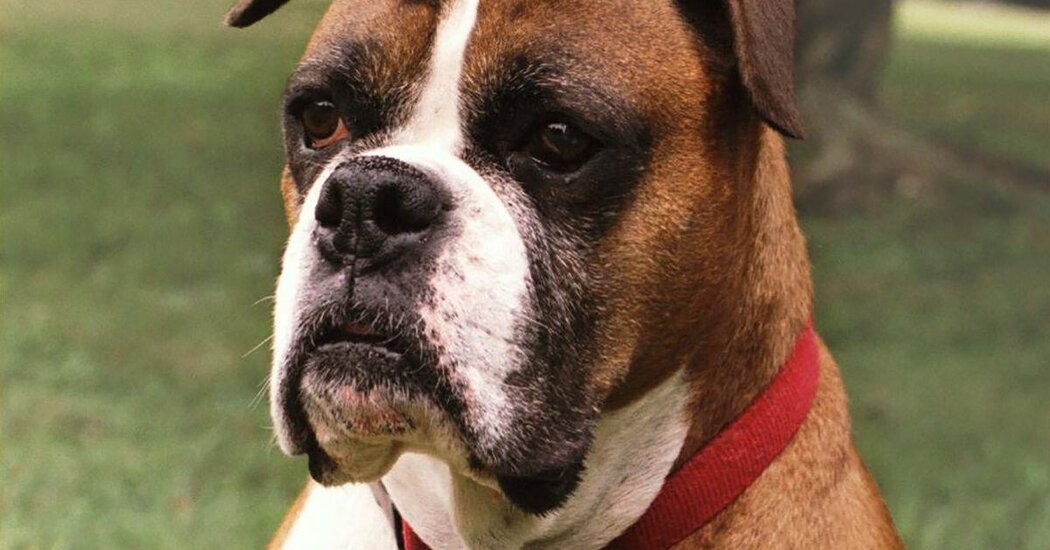
For two decades, scientists have been systematically mapping the genetic code of dogs, beginning with Tasha, the first purebred boxer whose genome was sequenced in 2003. This milestone opened the door to a new era in canine genetics, allowing researchers to study how dogs evolved alongside humans and what their DNA can tell us about our shared history.
The Rise of Canine Genomics
The initial sequencing of Tasha’s genome was just the first step. Since then, thousands of canine genomes—representing diverse breeds, geographic locations, and historical periods—have been analyzed. Today’s research relies on vast datasets that combine genetic information with behavioral studies submitted by pet owners and detailed breeding records that trace lineage over generations. As Lachie Scarsbrook, a paleogenomicist at the University of Oxford, puts it, researchers now know “who begot who” with unprecedented clarity.
What We’re Learning
This wealth of data is enabling scientists to ask complex questions about the human-dog bond. For example:
- Breed Origins: Genetic analysis confirms that modern dog breeds are relatively recent creations, often developed within the last few centuries.
- Behavioral Traits: Scientists are identifying genetic markers associated with specific behaviors, such as herding instincts, guarding tendencies, or even sociability.
- Disease Prediction: By mapping genetic predispositions, researchers can help breeders and owners mitigate health risks in dogs.
Why This Matters
The study of canine genomes isn’t just about dogs. Because dogs were among the first animals domesticated by humans, their genetic evolution provides a window into our own history. Understanding how dogs adapted to live with humans sheds light on the evolutionary pressures that shaped our relationship. Moreover, as Elaine Ostrander of the National Human Genome Research Institute points out, early breakthroughs in canine genomics paved the way for more sophisticated research methods now used in human genetics as well.
The ongoing exploration of dog DNA promises not only deeper insight into canine biology but also a broader understanding of the complex interplay between species and the forces that drive evolution.