New moms can’t breastfeed? Most places offer little help. Brazil does everything differently.
It comes down to ingenuity. Or what locals call jeitinho. That creative spark that turns junk into infrastructure.
In the 1980s João Aprígio Guerra de Almeida changed the game. A young chemist he looked at expensive pasteurization machines and decided to scrap them. He used hot water baths from food processing plants instead. Cost? A tenth of the price. He even sterilized coffee and mayonnaise jars. Used them for bottles.
Why buy new when the old works better?
The Scale Is Unmatched
Today Brazil has more than 200 banks. The most in the world. They hand out some of the cheapest breast milk anywhere.
The results? Infant deaths for kids under five dropped 70% between 1990 and 2015. You can trace some of that credit straight back to those makeshift banks.
But it isn’t just about cheap plastic. It is about convenience. Couriers drive all over the country picking up donations. In Rio a guy on a bike delivers milk to Flamengo. Without those pickups donors just stop. One mom put it plainly if someone isn’t there to pick it up she won’t bother. Europe could learn something here.
A Whole Circle
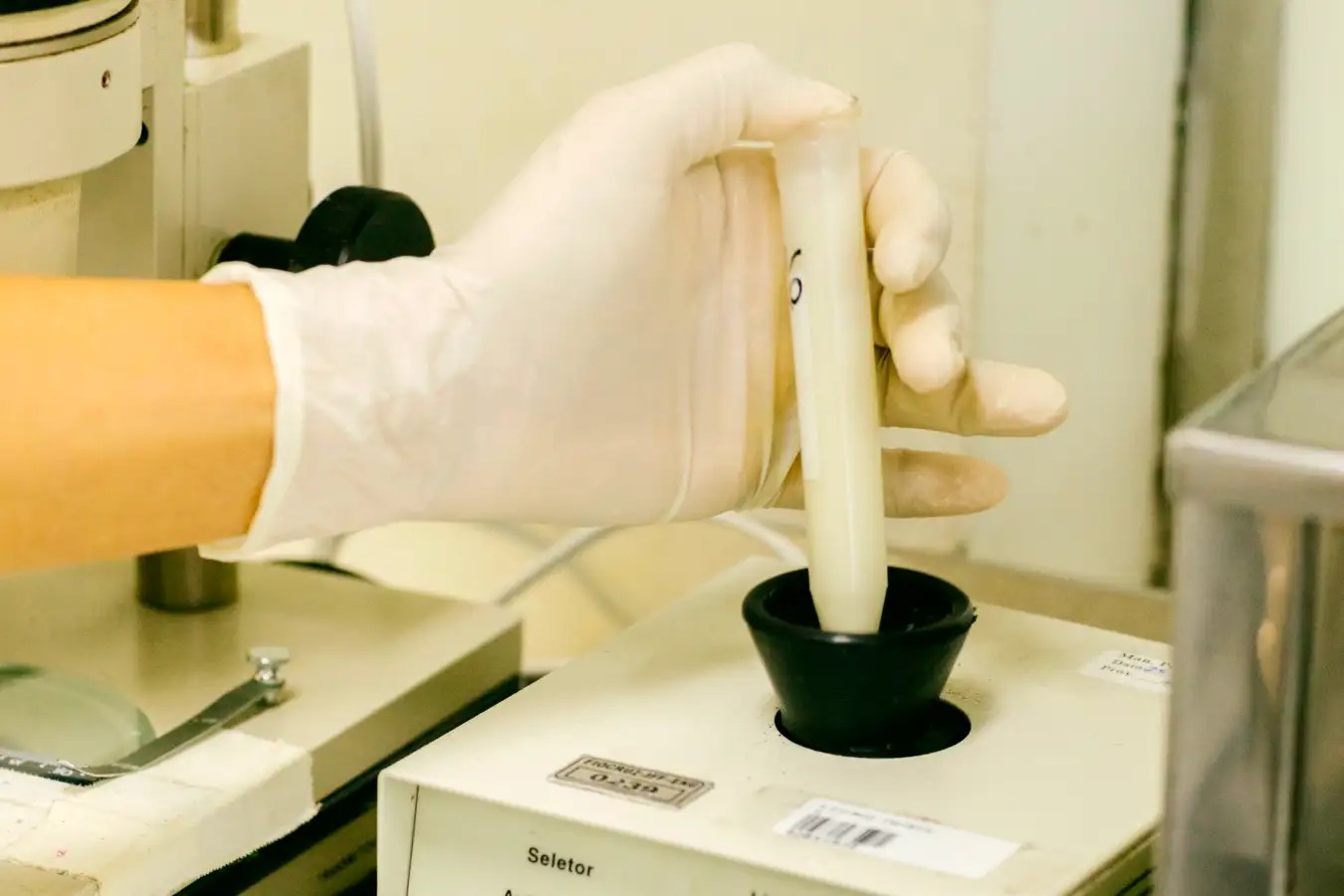
The facilities do more than just store liquid. They are support hubs. Nurses help women express milk for preemies. Every drop gets checked first. Hair dust or anything gross? Tossed out. Then the milk heats in that repurposed bath. Liquefied tested screened for biology bad guys.
It ends at a baby’s lips.
Kristin Bethge and Niklas Franzen covered the story traveling through Rio they saw the entire loop. From the giver to the receiver. It is holistic in a way big institutions rarely achieve.
Does anything else come close?