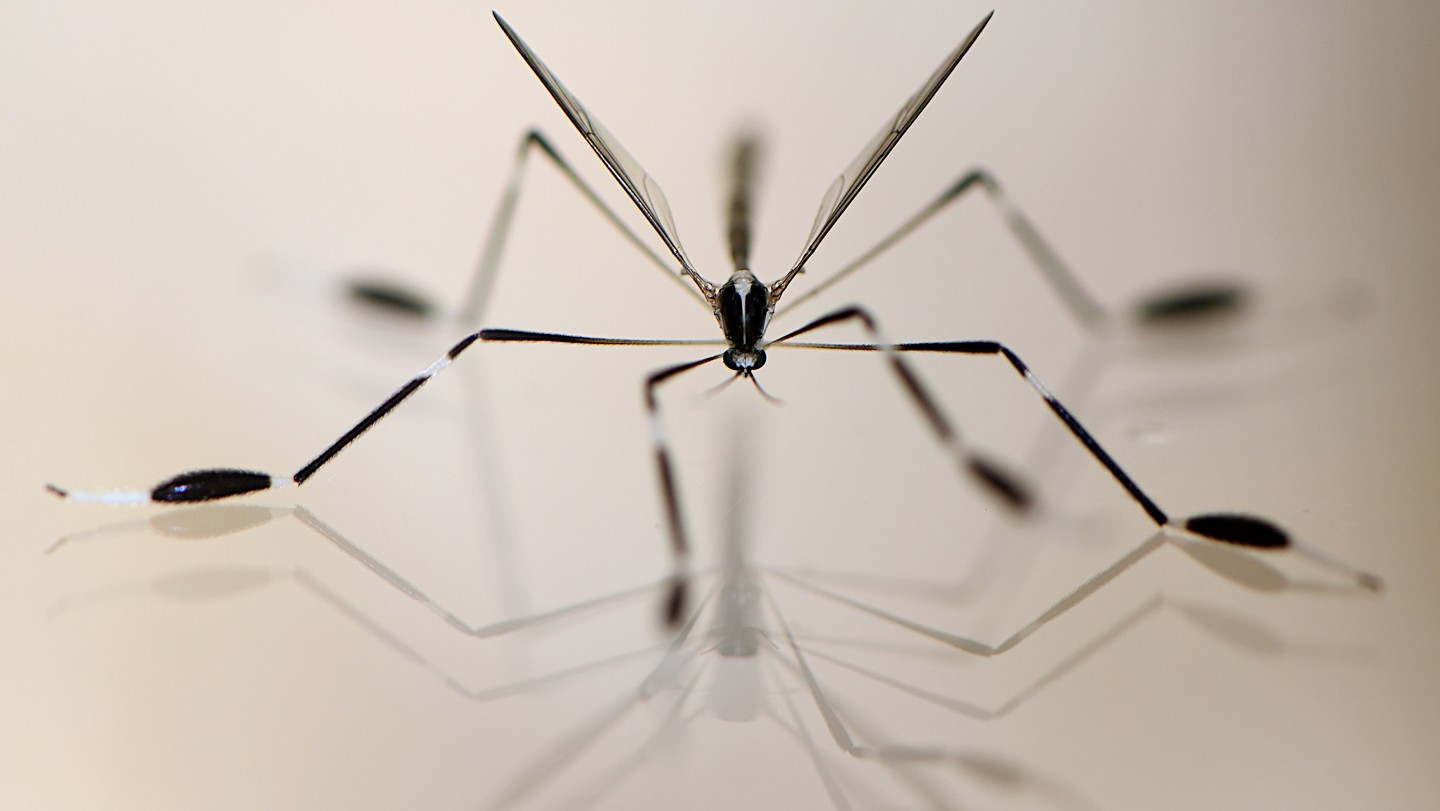
Researchers have discovered that certain crane flies stay airborne not primarily through flapping their wings, but by strategically positioning their legs to catch the wind. This surprising method of flight, detailed in recent experiments, is inspiring new designs for energy-efficient miniature flying machines.
The Physics of Leg-Powered Flight
The Eastern phantom crane fly (Bittacomorpha clavipes ) spends only a week as a mature adult, mating but not feeding. This limited lifespan drives an extreme energy-conservation strategy: rather than constant wing flapping, they rely heavily on passive aerodynamic lift from their legs.
In still air, these flies flap their wings to gain altitude. However, when encountering updrafts, they hold their wings still and spread their six long legs into an inverted cone shape—similar to a dandelion seed head or an open umbrella. This configuration creates drag, allowing the insects to float effortlessly on the breeze.
How Researchers Uncovered the Mechanism
High-speed cameras in wind tunnels revealed that the flies adjust the cone shape of their legs based on wind speed. Stronger updrafts prompt a narrower cone, reducing drag by as much as 20 percent. To confirm this, researchers built oversized 3D-printed models and tested them in mineral oil, mimicking the viscous effects of air at small scales.
“They have very limited energy, and they have to save it.” – Sarahi Arriaga-Ramirez, University of California, Berkeley.
Implications for Miniature Flying Machines
The crane fly’s method has inspired the development of miniature aerial vehicles (drones). Researchers are experimenting with shape-memory alloys in robotic legs to allow for on-demand bending and adjustment. Passive designs, incorporating flexible joints, have also proven successful; the legs automatically adjust to wind speed, creating stable flight even in turbulent conditions.
The exact degree to which the flies consciously control their legs remains unclear. Whether they are simply reacting to wind forces or actively manipulating their body for lift is still under investigation. However, the stability observed in both biological and robotic models suggests that this approach is highly effective.
This unique flight method highlights how nature continues to offer innovative solutions to engineering challenges. By understanding the physics behind the crane fly’s flight, researchers are one step closer to creating more efficient and resilient aerial technology.