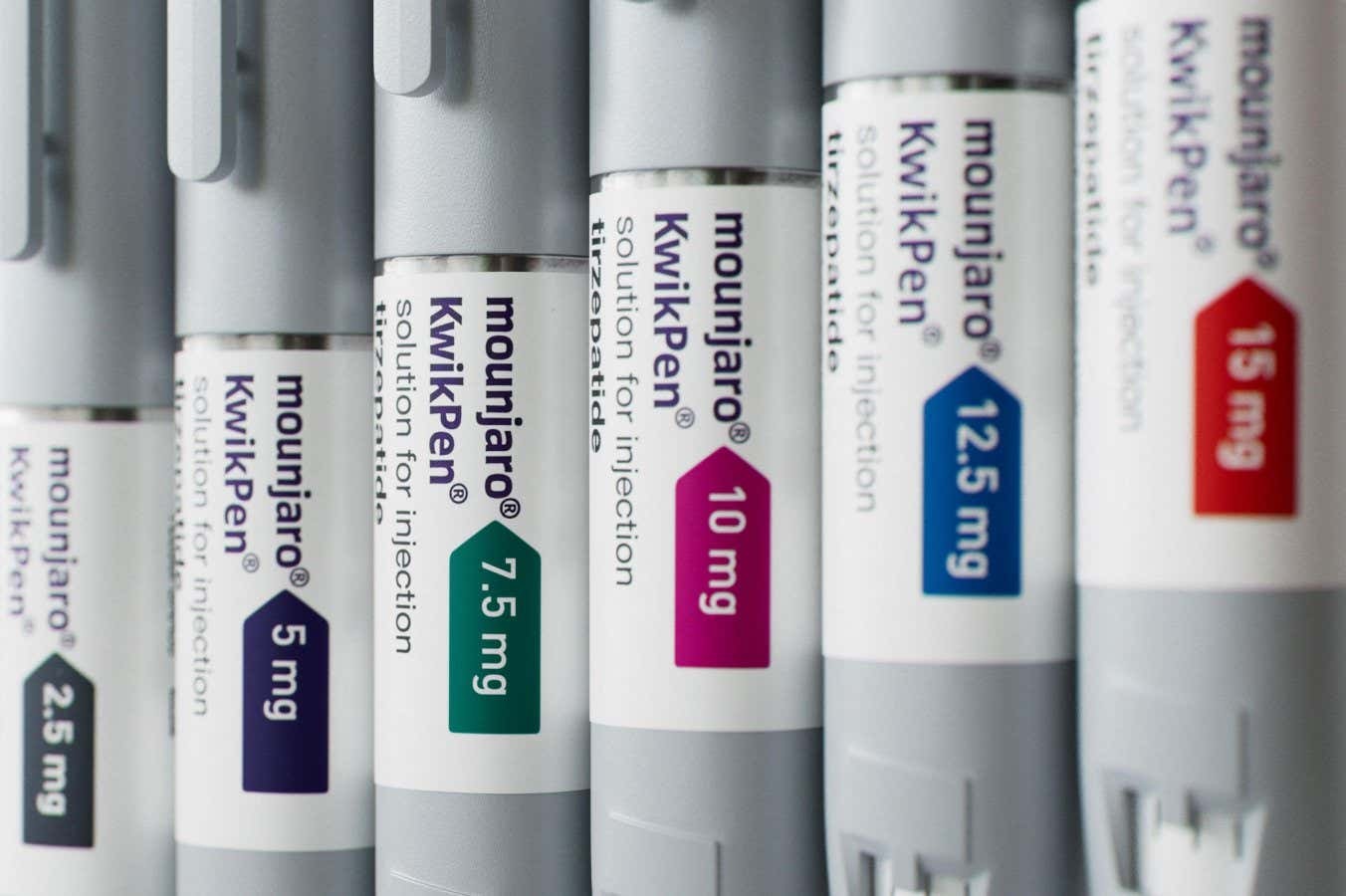
Obesity medications work, but most people regain lost weight within two years of stopping treatment, according to a new analysis of over 9,000 participants across 37 clinical trials. The findings reinforce the view that obesity is a chronic, relapsing condition requiring ongoing intervention—much like managing blood pressure or diabetes.
The Problem of Weight Regain
The study, led by Susan Jebb at the University of Oxford, found that individuals who discontinue weight-loss drugs regain, on average, all lost weight within 1.7 years. Newer GLP-1 medications, such as semaglutide (Ozempic/Wegovy) and tirzepatide (Mounjaro/Zepbound), lead to greater initial weight loss (averaging 14.7 kg) but show an even faster relapse rate: weight is expected to return within 1.5 years.
Why this matters: Weight regain isn’t just about vanity; it means the associated health benefits—lower blood pressure, cholesterol, and glucose levels—also disappear. The current healthcare model often treats obesity as a short-term issue, whereas these findings suggest that long-term treatment is necessary for lasting results.
Drug Discontinuation and Systemic Barriers
Many patients stop taking GLP-1 drugs due to side effects (like nausea) or supply shortages driven by high demand. The NHS in England further limits long-term use of semaglutide to two years, citing cost-effectiveness. This creates a systemic barrier to continuous treatment, even when the evidence suggests it’s needed.
Behavioral Support Doesn’t Prevent Regain
The study also revealed that adding behavioral support (dietary guidance, exercise plans) during the follow-up period did not prevent weight regain. This suggests that biological factors—such as appetite suppression by the drugs—may play a more significant role than previously thought. When patients stop medication, hunger and cravings return, potentially leading to rapid weight gain.
The Chronic Nature of Obesity
The findings underscore that obesity isn’t a matter of willpower or short-term effort. It’s a chronic condition, and stopping treatment is almost guaranteed to lead back to previous weight levels. As Jebb states, “We have to keep patients on treatments long term.” The issue isn’t just that drugs work; it’s that the body reverts to its previous state when they’re stopped, requiring continuous intervention for lasting change.