Humans are uniquely equipped to survive in nearly any environment on Earth, a testament to our evolutionary capacity for adaptation. This isn’t just about biological changes; it’s our ability to invent tools, clothing, and shelter that allows us to thrive where other species cannot. Professor Herman Pontzer’s new book, Adaptable: How Your Unique Body Really Works and Why Our Biology Unites Us (Penguin Random House, 2025), explores the interplay between genetics, environment, and human diversity.
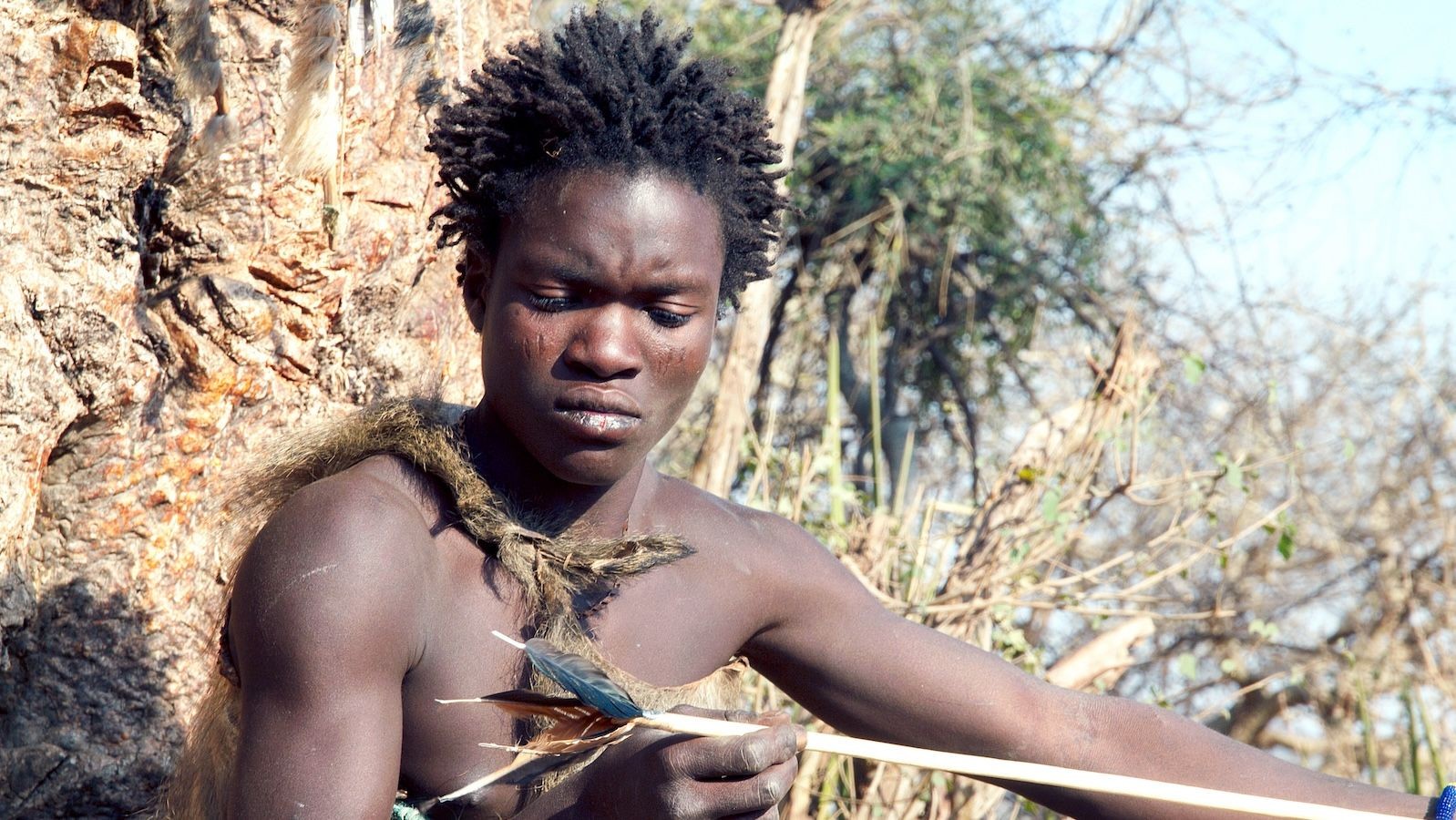
Pontzer’s work draws heavily from studies of contemporary hunter-gatherer populations—like the Hadza in Tanzania—to illustrate how radically different modern lifestyles are from the environments that shaped our bodies. This shift, he argues, is driving a rise in preventable diseases. Adaptable has been recognized as a finalist for the PEN/E.O. Wilson Literary Science Writing Award, with the winner announced March 31 and receiving a $10,000 prize.
The Science of Human Adaptability
Pontzer explains that misunderstandings about how the body works are widespread, fueling misinformation. He points to the kidneys as a prime example: these organs filter an astonishing 180 liters of water daily, detoxifying the body far more effectively than any supplement. Similarly, the spleen, often overlooked, adapts to environmental pressures; the Sama people of the Philippines, who dive for food underwater, have genetically larger spleens to store more oxygen.
Local adaptations occur when specific traits provide a survival advantage in a particular environment, but these are rare. For a trait to become widespread, it must be consistently beneficial only in that location, preventing “gene flow” from spreading it everywhere. Skin color is a clear example: darker skin protects against high-altitude ultraviolet radiation, while lighter skin allows for better vitamin D production in lower-sunlight areas.
Evolutionary Mismatches and Modern Health
A crucial concept Pontzer highlights is “evolutionary mismatch.” For millions of years, humans evolved as hunter-gatherers, thriving in physically demanding environments with natural diets. Modern lifestyles—climate control, processed foods, antibiotics—create a stark contrast. This mismatch drives modern health problems, from heart disease to allergies, as our bodies struggle to adapt to conditions they weren’t designed for.
Pontzer emphasizes the importance of understanding this broader context. For instance, while genetic differences exist between populations, attributing conditions like heart disease solely to genetics is misleading. The human heart evolved under consistent selective pressures; modern environments are the real disruptor.
The Power of Diversity
Pontzer stresses that human adaptability is the key to our success. The species has thrived not because of any single trait, but because of its flexibility. Studying diverse populations—from the Hadza to the Sama—reveals the full range of human biological potential. This is crucial for debunking pseudoscientific claims about genetic superiority or inferiority.
“We are as successful as we are because of this adaptability, this flexibility. That’s why there’s 9 billion of us and not 9 billion of some other primate.”
Ultimately, Pontzer hopes his book equips readers to critically evaluate scientific information. He encourages questioning simplistic categories and recognizing the complex interplay between genes, environment, and culture. Understanding these dynamics is essential for navigating the misinformation that surrounds health, genetics, and human evolution.
The takeaway is clear: human resilience lies in our diversity and our ability to adapt. This understanding, not just scientific literacy, is what will shape a healthier future.