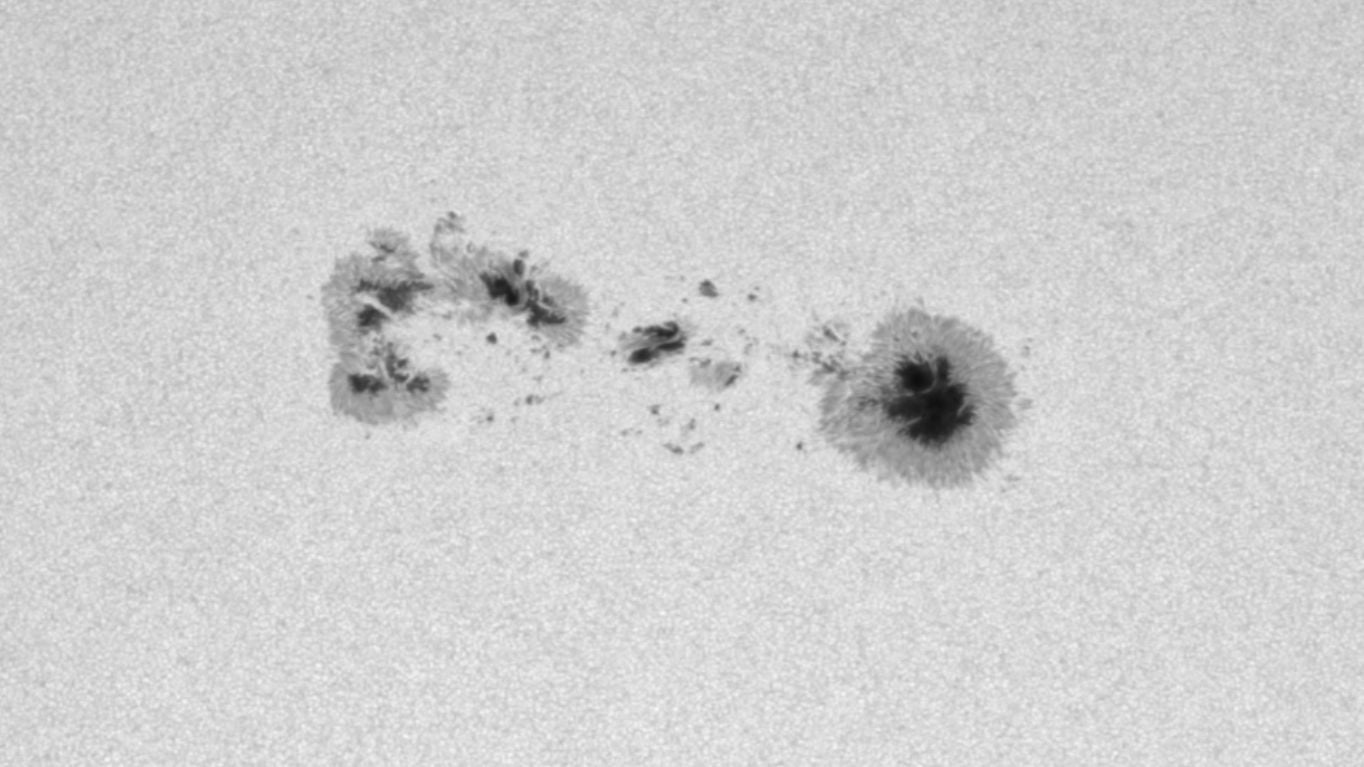
A colossal sunspot, fifteen times the width of Earth, is currently oriented toward our planet. This remarkable solar feature, designated AR4366, has already triggered powerful solar flares and poses a potential risk of geomagnetic storms. However, with proper precautions, it can be observed without specialized equipment.
What Are Sunspots?
Sunspots are temporary dark regions on the sun’s surface caused by concentrated magnetic activity. These areas are cooler than the surrounding plasma, making them visible as blemishes on the otherwise blindingly bright solar disk. Crucially, sunspots are often the source of solar flares – sudden bursts of energy – and coronal mass ejections (CMEs), which are vast expulsions of charged particles. When these particles reach Earth, they can disrupt radio communications, damage satellites, and even cause spectacular auroral displays (Northern/Southern Lights).
The Current Sunspot: AR4366
Region AR4366 has rapidly grown since appearing on January 30th. It has unleashed over twenty significant flares, including several in the highest X-class category. These flares have already caused radio blackouts on Earth, demonstrating the sunspot’s potency.
Safe Viewing Practices
Looking directly at the sun, even through unfiltered binoculars or a telescope, will cause permanent eye damage. The only safe method for direct observation is using certified solar eclipse glasses or a telescope fitted with a proper solar filter. Standard sunglasses offer no protection.
With proper eye protection, AR4366 will appear as a dark blotch slightly above the sun’s equator. Dedicated solar binoculars (such as Lunt SUNoculars or Celestron Eclipsmart) offer enhanced viewing, but a telescope with a quality filter provides the most detailed image.
What to Expect Next
AR4366 is expected to remain visible for several more days, and its history suggests further powerful flares and potential CMEs are likely. These events could trigger geomagnetic storms, enhancing aurora visibility at lower latitudes.
The sun’s activity is cyclical, with periods of intense activity (solar maximum) followed by quieter phases (solar minimum). We are currently approaching the peak of the current solar cycle, meaning more frequent and powerful events like this are probable.
Preparing now with quality solar viewing gear is not only useful for observing AR4366 but also for the upcoming total solar eclipse in August, which will cross Spain, Greenland, and Iceland.
The sun remains an unpredictable force in our solar system; staying informed and prepared is the best way to witness its power safely.