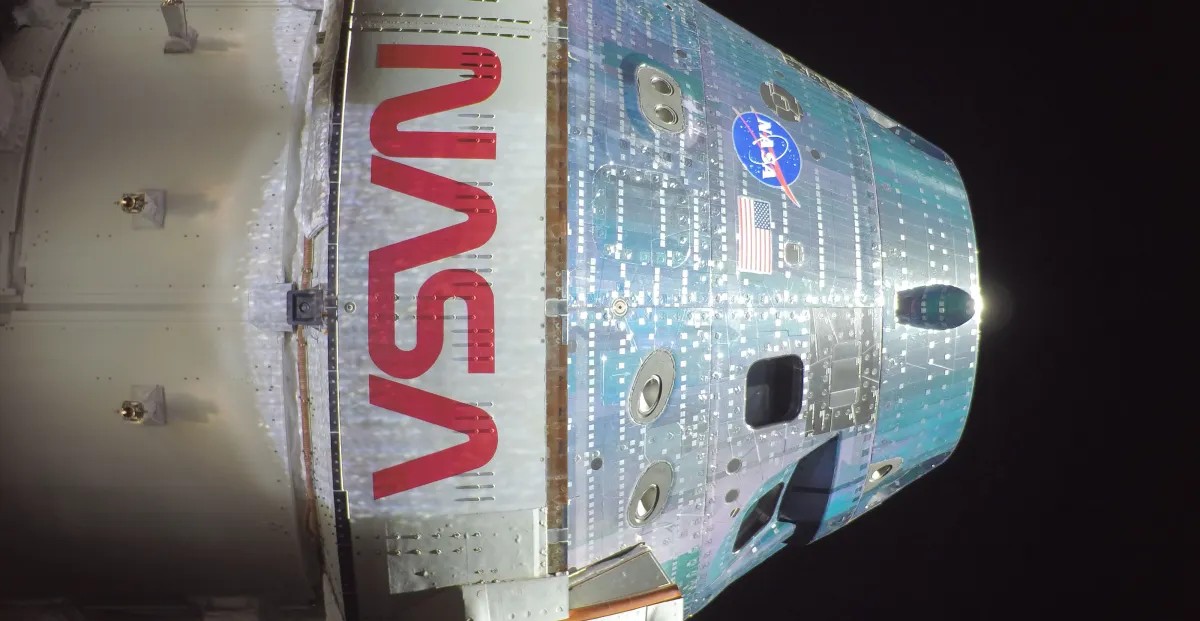
After more than five decades without a human presence on the lunar surface, NASA is preparing for its most ambitious endeavor yet. Following the successful uncrewed test of Artemis I in 2022, the agency is now pivoting toward crewed flight with the Artemis II mission, a critical step in reclaiming humanity’s place in deep space.
The Mission: A Test Flight Around the Moon
Scheduled to launch from the Kennedy Space Center on April 2, 2026, Artemis II will carry four astronauts aboard the Orion capsule. Unlike the Apollo missions of the past, which focused on short-term exploration, this mission is a rigorous technical evaluation.
The crew will embark on a 10-day journey that takes them around the Moon before returning safely to Earth. This flight serves several vital purposes:
– System Validation: Testing life-support systems and hardware with humans on board.
– Communication Checks: Ensuring seamless connectivity between the crew and Earth during deep-space transit.
– Safety Protocols: Verifying that the Orion capsule can withstand the intense stresses of lunar orbit and re-entry.
Beyond “Flags and Footprints”
The Artemis program represents a fundamental shift in how we approach space exploration. While the Apollo era was defined by the “space race” and symbolic gestures—planting flags and collecting samples—NASA’s current objective is sustainability.
The program aims to establish a long-term presence near the Moon rather than temporary visits. This includes developing the infrastructure necessary for humans to live and work in lunar orbit and on the surface. Furthermore, the program carries a significant social milestone: the goal of landing the first woman on the Moon.
Navigating Challenges and Delays
The path to the Moon has not been without friction. The Artemis program has faced significant hurdles, including:
– Budgetary Pressures: Billions of dollars in cost overruns.
– Technical Delays: Development mishaps and scheduling shifts that have pushed timelines back.
– Complexity: The sheer difficulty of building entirely new hardware for an era of modern spaceflight.
Despite these setbacks, the momentum is building toward the Artemis IV mission, currently targeted for 2028. This mission is expected to be the one that finally places humans back on the lunar surface, marking the end of a 50-year hiatus