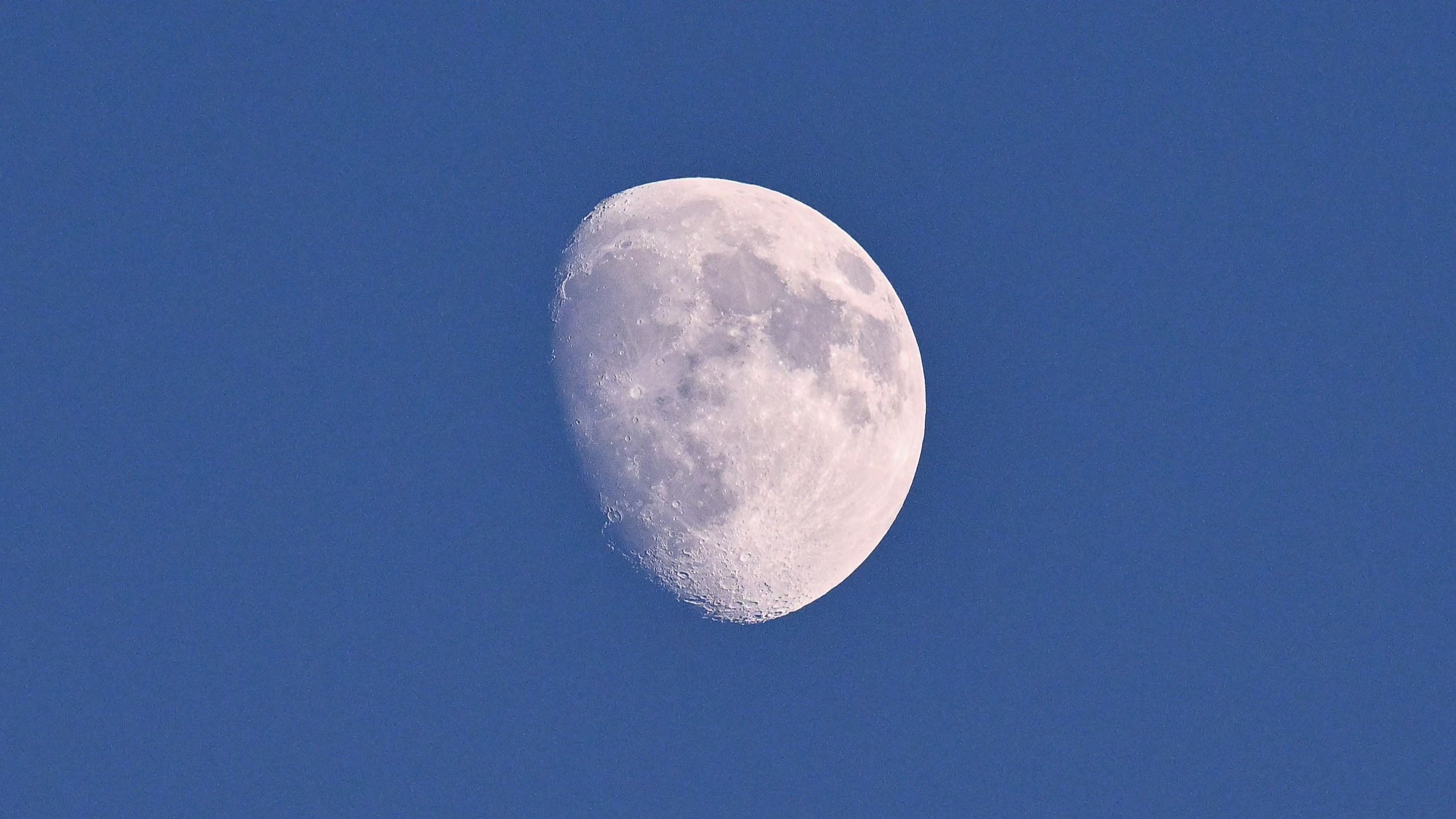
While the sun usually dominates our view of the sky, certain celestial bodies possess enough brilliance to pierce through the daylight glare. This week, observers have a unique opportunity to witness a waxing crescent moon gliding across the daytime sky, accompanied by the bright planet Jupiter.
Why the Moon is Visible During the Day
It is a common misconception that the moon is only a nighttime object. In reality, the moon’s visibility depends on its orbital phase and its relationship to the sun.
Because the moon rises and sets approximately 50 minutes later each day, its position in the sky shifts relative to our daylight hours. During its first quarter phase, the moon rises around midday and sets around midnight. This specific timing allows it to remain visible in the afternoon sky long before the sun goes down.
Viewing Guide: Where and When to Look
If you want to catch this celestial display, here is what to look for:
- The Setup: Starting April 22, look toward the eastern sky at midday.
- The Moon: You will see a waxing crescent moon, illuminated at about 30%. Note that its lower half may appear shadowed.
- The Jupiter Connection: The planet Jupiter will appear as a steady point of light located roughly 5 degrees below the lunar crescent.
- Pro tip: To estimate this distance, hold your hand at arm’s length; the gap should be roughly the width of your three middle fingers.
- The Progression: In the United States, the moon will arc high overhead during the afternoon before settling into the southwestern sky at sunset, remaining visible until around midnight.
Due to the brightness of the atmosphere, using binoculars may help you distinguish Jupiter from the surrounding daylight glare.
Tips for Observation and Safety
Observing the moon with optical equipment is a safe and rewarding way to explore lunar geography, but there is one critical rule for daytime stargazing:
⚠️ Never point a telescope or binoculars toward the sun. Doing so can cause immediate and permanent vision loss.
To observe safely, position your equipment in the shade or behind a large structure that blocks the sun’s path.
What to Look For Through a Telescope
If you are using binoculars or a telescope, you can see more than just a white shape. Look for:
* Lunar Maria: These are the dark, sweeping plains on the moon’s surface, formed by ancient, hardened lava flows.
* The Terminator: This is the dividing line between the illuminated and dark sides of the moon. Observing near the terminator allows you to see dramatic shadows cast by craters, providing a sense of depth and scale that is harder to see during a full moon.
Summary: From April 22 through May 1, look to the eastern sky during the day to catch a rare view of a crescent moon and Jupiter. Use binoculars for better clarity, but always ensure your equipment is shielded from direct sunlight to maintain safety.