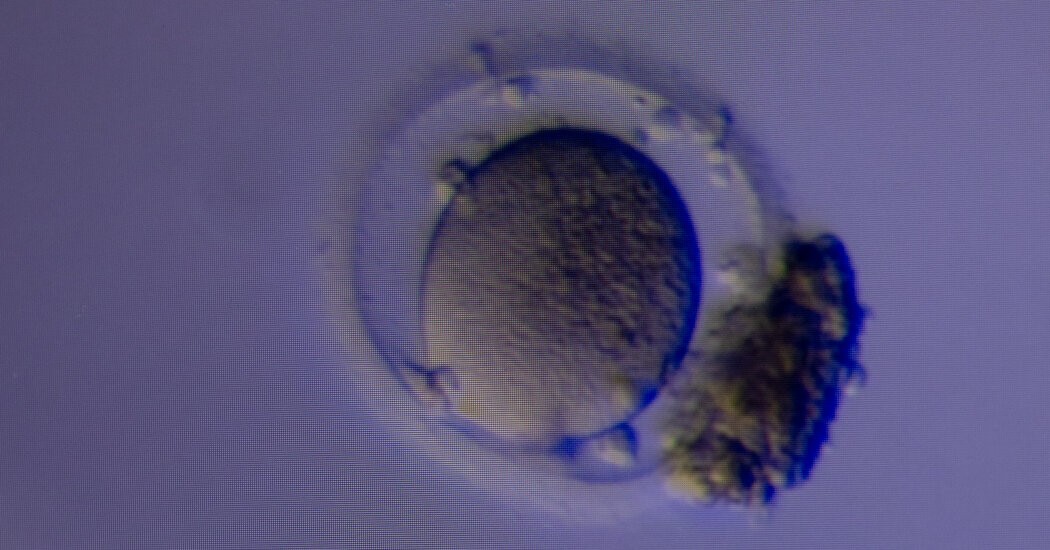
A novel technology is poised to reshape fertility treatments by recovering previously missed eggs, potentially increasing success rates for couples undergoing assisted reproduction. The conventional method of egg retrieval relies on visual inspection under a microscope, but a new study published in Nature Medicine reveals this approach often overlooks viable eggs discarded with follicular fluid.
The Problem with Current Methods
For years, fertility clinics have operated under the assumption that manual microscopic searches are thorough enough. However, the study demonstrates that significant numbers of eggs are routinely left behind. This matters because the more eggs retrieved, the higher the chance of a successful embryo development and implantation. Egg quantity directly impacts a patient’s odds of live birth; overlooking even a few can diminish those chances.
How the New Device Works
The new technology employs microfluidic systems—essentially, a miniature “pinball machine” for follicular fluid. The device guides fluid through a network of channels and bumpers, increasing the chance of detecting overlooked eggs. In trials involving 582 patients across four clinics, the device recovered an additional 582 eggs from fluid that had already been examined manually. That means, on average, more than half of patients had additional eggs missed by standard methods.
Proven Success: A Live Birth
The technology isn’t just theoretical; it’s been proven effective. One segment of the study followed 19 patients and confirmed that an embryo derived from an egg recovered using the device resulted in a successful pregnancy, with the baby born in September. This real-world validation is critical because it demonstrates the potential of this method to improve outcomes.
What This Means for the Future
The implications of this discovery are substantial. Fertility clinics may soon adopt this technology as a standard practice to maximize egg yields. This could lead to higher IVF success rates, reduce the need for repeated cycles, and provide more viable options for couples facing infertility. The key takeaway is that what was once considered a thorough search may now be recognized as incomplete, and this new tool bridges that gap.
This breakthrough highlights the importance of continuous innovation in reproductive medicine, where even small improvements can significantly impact patients’ lives.