


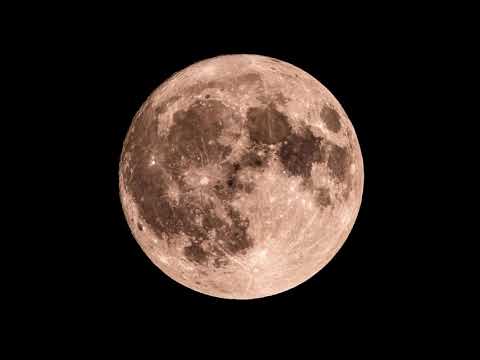
Today, January 18, 2025, marks the New Moon phase. This means the Moon is currently positioned between the Earth and the Sun, making it entirely invisible in the night sky. The lunar cycle is about to begin again, and the Moon will gradually brighten over the next two weeks.
Understanding the New Moon
The New Moon occurs when the side of the Moon facing Earth is not illuminated by sunlight. This is a natural part of the lunar cycle, which takes approximately 29.5 days to complete. During this time, the Moon orbits Earth, and the amount of its visible surface changes depending on its position relative to the Sun.
Upcoming Lunar Phases
The next key phase to watch for is the Full Moon, which will occur on February 1, 2025. The last Full Moon occurred on January 3, marking the completion of the previous lunar cycle. Understanding these phases is important because they influence not only astronomy enthusiasts but also various cultural and biological rhythms on Earth. Tides, for example, are strongly affected by the Moon’s phases, as is some animal behavior.
The Eight Phases of the Moon
The lunar cycle consists of eight distinct phases:
- New Moon: Invisible to the naked eye.
- Waxing Crescent: A sliver of light appears.
- First Quarter: Half of the Moon is lit.
- Waxing Gibbous: More than half is lit.
- Full Moon: The entire face of the Moon is illuminated.
- Waning Gibbous: The Moon starts losing light.
- Third Quarter: Another half-Moon, lit on the opposite side.
- Waning Crescent: A thin sliver remains before the cycle begins again.
These phases are a result of the Moon’s orbit around Earth and how sunlight interacts with its surface. While the same side of the Moon always faces Earth, the amount of light we see changes continuously throughout the month.
The Moon’s phases are not just an astronomical curiosity; they’ve been tracked by humans for millennia to measure time, guide agricultural practices, and inform cultural beliefs.


