Tonight, February 16, 2025, the Moon is nearly invisible, marking the final stages of its waning crescent phase. Only 2% of the lunar surface is illuminated, making it difficult to observe any distinct features. This happens because the Moon is positioned between Earth and the Sun, with the side facing us largely unlit.
Understanding Moon Phases
The Moon’s changing appearance throughout the month is due to its orbit around Earth, which takes approximately 29.5 days to complete. As the Moon circles our planet, different portions of its surface become visible from our perspective as sunlight reflects off them.
The eight distinct phases are:
- New Moon: The Moon is almost entirely dark, making it invisible.
- Waxing Crescent: A sliver of light appears on the right side (in the Northern Hemisphere).
- First Quarter: Half of the Moon is lit on the right side, resembling a half-Moon.
- Waxing Gibbous: More than half of the Moon is illuminated, but not yet full.
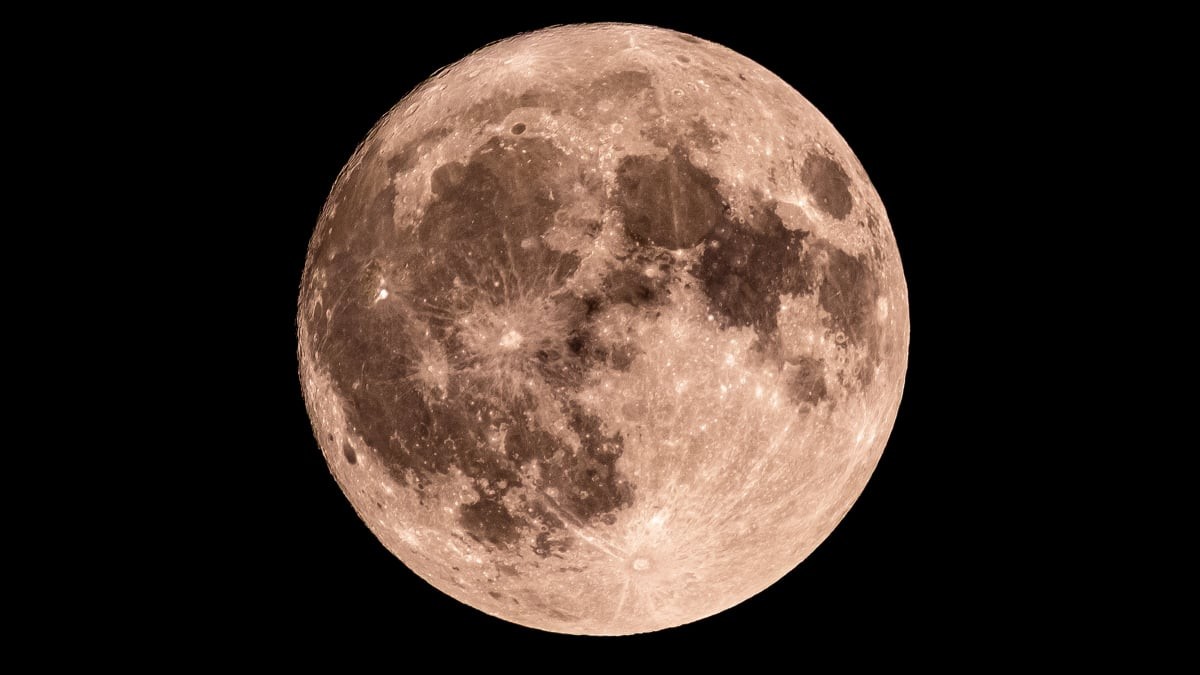
- Full Moon: The entire face of the Moon is brightly lit.
- Waning Gibbous: The Moon begins to lose light on the right side.
- Third Quarter (Last Quarter): Another half-Moon, with the left side illuminated.
- Waning Crescent: A thin sliver of light remains on the left side before fading into darkness again.
When Will the Moon Be Full Again?
The next Full Moon is expected on March 3, 2025. The previous Full Moon occurred on February 1, marking the cycle’s continuous progression.
This cycle is fundamental to how we track time, and has been used in cultures around the world for millennia. Understanding these phases helps explain why the Moon sometimes dominates the night sky, and other times blends into darkness.