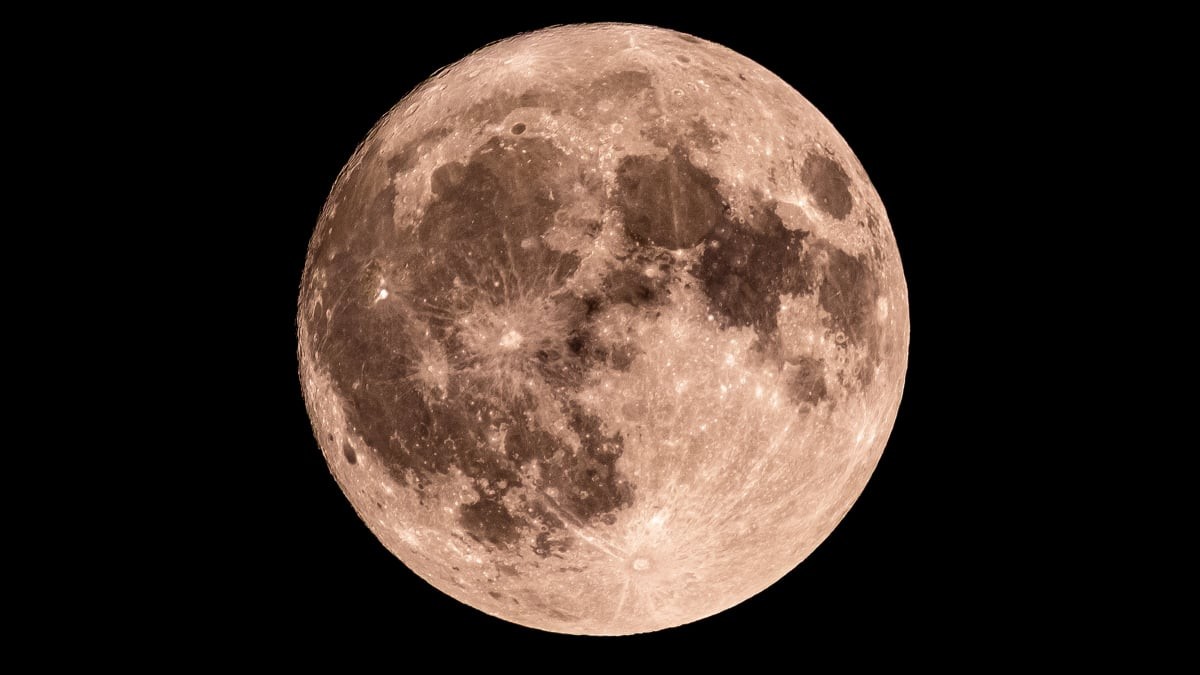
The Moon is currently in its waning crescent phase, meaning it appears as a shrinking sliver of light in the night sky. As of today, March 14, 2026, approximately 24% of the Moon’s surface is illuminated. This phase marks the final stage before the New Moon, when the Moon will become entirely dark from our perspective.
What You Can See Tonight
Even with reduced visibility, keen observers can still spot lunar features with the naked eye. Look for the Aristarchus Plateau and the Kepler Crater. For enhanced viewing, binoculars or a telescope will reveal the Grimaldi Basin and the Gassendi Crater in greater detail.
Next Full Moon: April 1st
For those anticipating the next full lunar spectacle, mark your calendars. The next Full Moon is predicted to occur on April 1st in North America. This will be a prime time for stargazing and lunar observation, as the entire face of the Moon will be brightly lit.
Understanding Lunar Phases
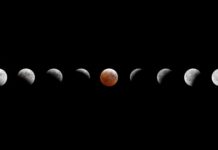
The Moon’s changing appearance is a result of its orbit around Earth. It takes roughly 29.5 days for the Moon to complete one cycle through all its phases. Despite always seeing the same side of the Moon, the amount of sunlight reflecting off its surface varies, creating the phases we observe. These phases include:
- New Moon: Invisible from Earth due to its position between Earth and the Sun.
- Waxing Crescent: A thin sliver of light appears on the right side (in the Northern Hemisphere).
- First Quarter: Half of the Moon is illuminated on the right side.
- Waxing Gibbous: More than half of the Moon is lit, approaching fullness.
- Full Moon: The entire visible surface is illuminated.
- Waning Gibbous: The Moon starts to lose light on the right side.
- Third Quarter (Last Quarter): Half of the Moon is lit on the left side.
- Waning Crescent: A thin sliver of light remains on the left side before becoming dark again.
The lunar cycle is a predictable and beautiful phenomenon driven by simple orbital mechanics. Understanding these phases allows for better planning of astronomical observations, as well as appreciation for the Moon’s constant presence in our night sky.
The Moon continues to be a reliable celestial companion, with each phase offering a unique view and reminder of the cosmic dance between Earth and its natural satellite.