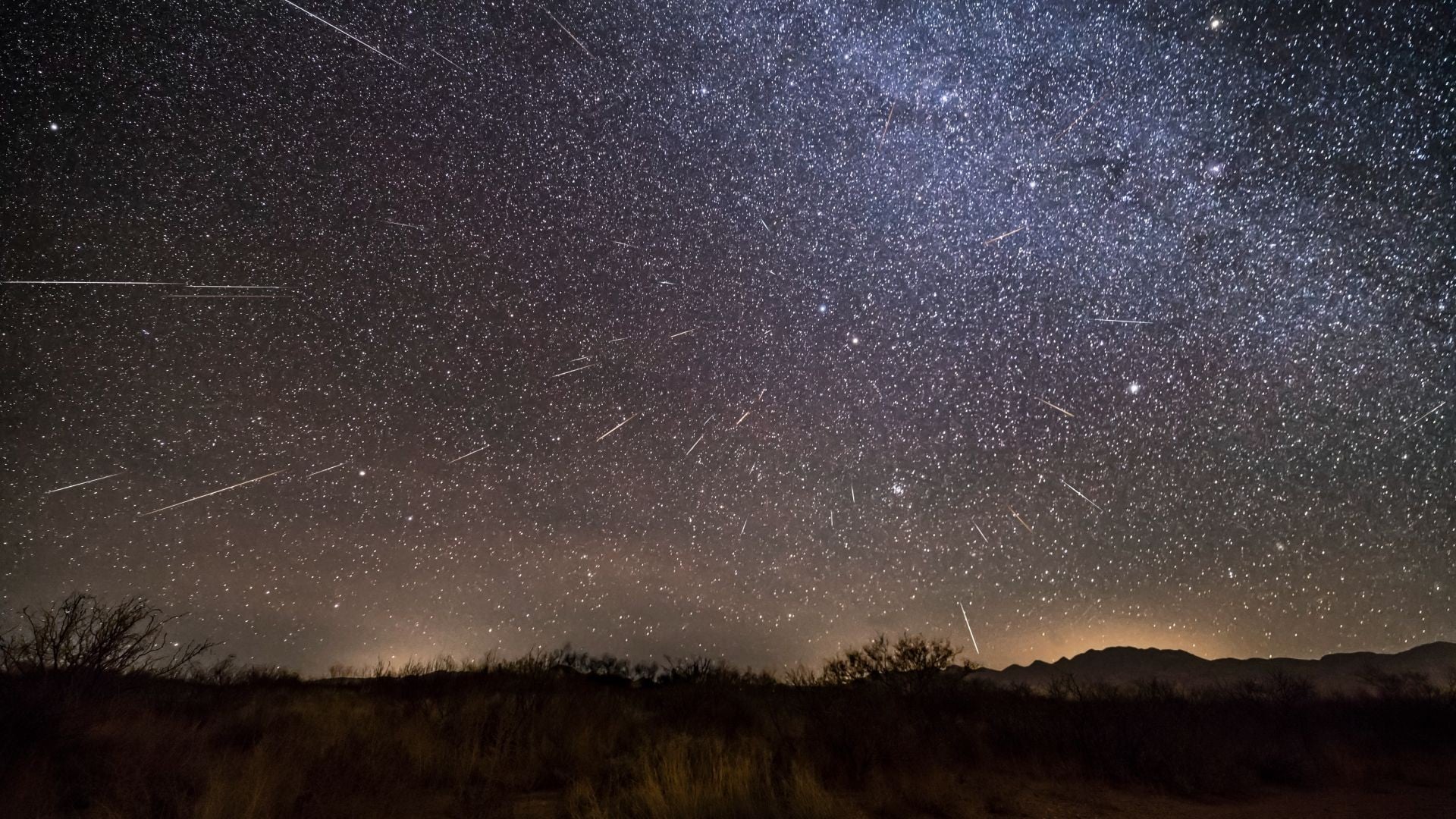
The Geminid meteor shower reaches its peak overnight, December 13-14, offering a spectacular display of “shooting stars”. This annual event occurs when Earth passes through the debris trail left by comet 3200 Phaethon, creating a celestial show visible to the naked eye.
Why This Matters: A Rare and Reliable Show
Unlike some meteor showers linked to unpredictable comets, the Geminids are known for their intensity and reliability. Comet 3200 Phaethon’s unusual orbit – bringing it dangerously close to the Sun – leaves behind a dense stream of particles, increasing the chances of seeing a high number of meteors. This makes the Geminids one of the most consistent and brightest showers of the year.
What to Expect: Numbers and Brightness
The American Meteor Society (AMS) estimates up to 150 Geminid meteors per hour at peak activity. However, actual visibility depends on factors like light pollution and viewing conditions. These meteors range from tiny particles creating brief flashes to larger fragments (over 3 feet across) producing brilliant “fireballs” that can outshine Venus.
How to Observe: Timing and Location
The Geminids appear to radiate from the constellation Gemini, near the star Castor. Viewing begins as soon as darkness falls, but the best time to observe is after 10 p.m. local time, when the radiant climbs higher in the sky.
- Peak rates: Expect up to 60 meteors per hour from dark, rural locations around 2 a.m.
- Moon interference: A waning crescent moon (25% illuminated) will rise around 2 a.m., potentially reducing visibility. Avoid looking directly at the moon to maximize meteor sightings.
Optimizing Your Viewing Experience
To see the longest, brightest trails, locate Castor using a smartphone astronomy app or find Jupiter in Gemini as a reference point. Then, scan the sky 30-40 degrees above Jupiter (about three or four clenched fist widths).
- Dark adaptation: Allow 30 minutes for your eyes to adjust to the darkness.
- Red light: Use a red flashlight to preserve night vision.
- Comfort: Dress warmly and use a reclining chair or sleeping bag for comfortable sky-watching.
“The few meteors that do appear at this time [early evening] are special…allowing them to last for several seconds rather than the normal sub-second duration.” – Robert Lunsford, Meteor Expert
The Geminid meteor shower provides a stunning opportunity to witness one of nature’s most beautiful phenomena. With minimal equipment and some patience, anyone can enjoy this reliable and impressive celestial event.