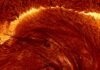
A high-speed stream of solar wind is set to bring the northern lights (aurora borealis) to skies across the northern United States from January 16-18. The event is driven by a significant coronal hole on the sun, which releases charged particles that interact with Earth’s magnetosphere. While typically visible in high-latitude regions, a moderate geomagnetic storm could push the aurora south, potentially making it visible in 15 states.
What’s Driving the Show?
The National Oceanic and Atmospheric Administration’s (NOAA) Space Weather Prediction Center (SWPC) forecasts conditions ranging from minor (G1) to moderate (G2) geomagnetic storms. These storms occur when the solar wind collides with Earth’s magnetic field, energizing atmospheric particles and causing them to glow. This is the same process that creates the dazzling displays seen in Alaska and Canada, but a stronger event could extend visibility further.
States Where Auroras May Appear
Based on the latest forecasts, the following states have the highest probability of witnessing the northern lights:
- Alaska
- North Dakota
- Minnesota
- Montana
- Wisconsin
- Michigan
- South Dakota
- Idaho
- Maine
- Vermont
- New Hampshire
- Washington
- Iowa
- Wyoming
- New York
However, aurora visibility is unpredictable. Conditions can change rapidly, and the exact extent of the display will depend on the intensity of the solar wind.
When to Look
The peak viewing times are expected between 1 a.m. and 7 a.m. EST (0600-1200 GMT). To maximize your chances, find a location with a clear view of the northern horizon, away from city lights.
Tips for Aurora Chasing
To improve your chances of seeing the lights:
- Dark Adaptation: Allow your eyes at least 30 minutes to adjust to the darkness. Avoid looking at bright lights (including phone screens) during this time.
- Use Your Camera: Phone cameras can often pick up faint auroral glows that are not immediately visible to the naked eye.
- Dress Warmly: Aurora displays can be unpredictable; you may be waiting outside for an extended period.
- Space Weather Apps: Download an app like My Aurora Forecast & Alerts or Space Weather Live to receive real-time updates.
The strength of the solar wind is unpredictable, so it’s possible that the aurora won’t be visible as far south as expected. However, if conditions align, this event could provide a rare opportunity to witness a spectacular natural phenomenon in lower latitudes.
The current geomagnetic activity is a reminder of the sun’s dynamic nature and its influence on our planet. Solar storms are increasing in frequency as the sun enters its peak activity phase in the current solar cycle, meaning that more frequent aurora displays could become common in the coming years.