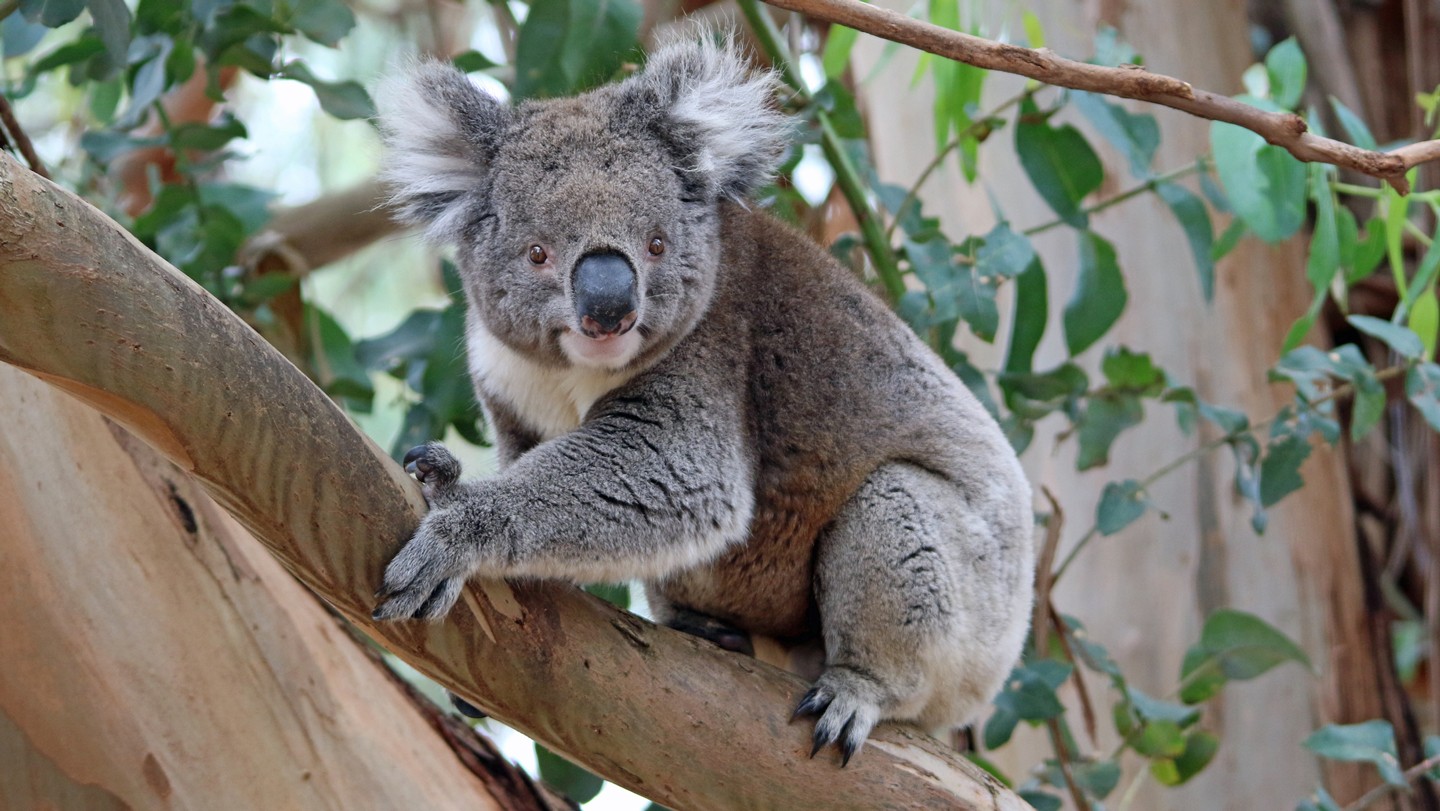
Koala populations in southeastern Australia are experiencing a genetic resurgence alongside their rapid recovery, offering a rare glimpse into how species can overcome the perils of inbreeding and potentially escape an extinction spiral.
The recovery, detailed in a March 5 Science publication, demonstrates that a species doesn’t remain genetically limited simply because it once faced a near-total collapse. This is significant because severe population drops often lead to genetic bottlenecks, increasing the risk of harmful inbreeding effects.
From Near Extinction to Genetic Renewal
By the early 1900s, relentless hunting for the fur trade had driven Victorian koala numbers down to approximately 500 individuals. To preserve the species, conservationists relocated small groups to nearby islands. These island populations thrived, and eventually, koalas were reintroduced to the mainland. By 2020, Victoria’s koala population had swelled to nearly half a million. However, the descendants of these small founder groups initially lacked genetic diversity, raising concerns about inbreeding.
Genetic bottlenecks like this can lead to deformities and poor health. But research led by Collin Ahrens of Cesar Australia reveals that rapid population growth can reverse this trend. The team analyzed genetic data from 418 koalas across eastern Australia, tracking how genetic variation changed as populations rebounded.
Mixing Genes: The Key to Recovery
The results showed that while Victorian koalas initially had low genetic diversity, their rapid growth spurred a reshuffling of genes. The increased mating led to new combinations and mutations, some of which proved beneficial. This mixing allowed offspring to inherit favorable traits without the harmful side effects often seen in inbred populations.
Already, the researchers have observed a reduction in tooth and testicle malformations among Victorian koalas, suggesting that the changing genetic makeup is improving their health.
“All that genetic information is being mixed up in a lot of different new combinations,” Ahrens explains.
Lessons for Conservation
The Victorian koala experience mirrors patterns seen in invasive species. When a small number of individuals establish a new population, rapid growth can quickly restore genetic variation through mutation and interbreeding. The Roesel’s bush cricket in Sweden offers a similar example, regaining lost genetic diversity within just 15 generations.
Evolutionary geneticist Cock van Oosterhout from the University of East Anglia confirms that the findings align with theoretical predictions. Empirical evidence in wild species is rare, making this observation particularly encouraging.
Looking Ahead
The study suggests that rapid population growth can serve as “first aid” for species facing genetic bottlenecks. However, van Oosterhout also notes that some species, like whooping cranes and Seychelles paradise flycatchers, continue to struggle with genetic issues despite recovery efforts. More targeted interventions, such as gene modification, may be necessary for full recovery in certain cases.
This research offers a message of hope: Starting with low diversity doesn’t necessarily doom a species. Ensuring sustained population growth can mitigate inbreeding risk and restore genetic variation, potentially altering how conservation genetics is practiced in the future.