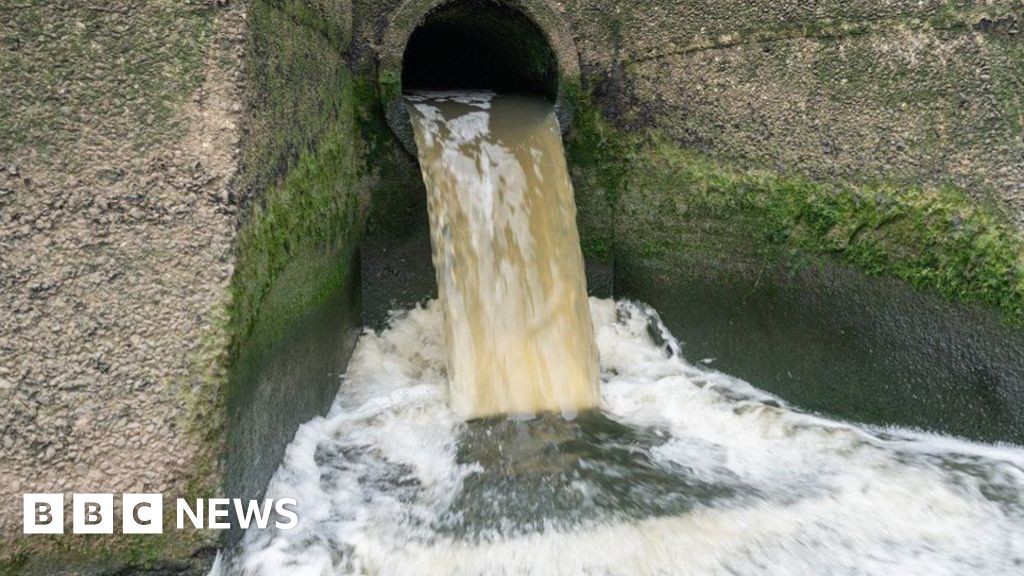
Wales is set to undergo a major restructuring of its water management system, with the government announcing reforms aimed at tackling sewage pollution, improving accountability, and securing long-term sustainability. The proposed changes include establishing a new regulatory body, upgrading aging infrastructure, and implementing stricter controls over sewage sludge disposal.
These actions are prompted by rising public concern over water quality and a recognition that the current system is failing to meet modern environmental and economic demands.
The Need for Urgent Reform
The Welsh government has described the reforms as a “fundamental reset,” citing climate change, aging infrastructure, and public dissatisfaction as key drivers.
Current oversight in Wales is largely devolved but still influenced by UK-wide frameworks, leading to inefficiencies and slow responses to local issues. The review follows similar calls for overhaul in England, where a new water watchdog is being established. However, Wales’ approach diverges by maintaining separate environmental regulation under Natural Resources Wales (NRW).
Key Changes Proposed
The core of the plan centers on replacing Ofwat in Wales with a new standalone regulator that will act as both an economic regulator and a system planner. This body will be responsible for long-term infrastructure investment, including upgrading the country’s aging pipes and sewers.
Alongside this, stricter regulations are proposed for sewage sludge disposal, particularly its use as fertilizer on farmland.
This move addresses concerns that inappropriate spreading of sludge is a major contributor to nutrient pollution in Welsh rivers.
Implementation Timeline and Funding Issues
The reforms are not immediate. The Welsh government must first request new powers from the UK government and then pass legislation in the Senedd.
The new regulator is not expected to be operational until the early 2030s.
A significant challenge lies in funding: more money will be needed than can be raised through customer bills alone. The government plans to develop a new 25-year national water strategy, replacing the 2015 document, but financing remains unresolved.
Stakeholder Responses
The proposals have received mixed reactions. Afonydd Cymru, representing river trusts, welcomed the plan as “a beacon of hope” but urged swift action. The Future Generations Commissioner emphasized the need for a seamless transition to avoid delays in environmental recovery. Plaid Cymru called for full devolution of powers over water, prioritizing Welsh interests over corporate profits. The Welsh Conservatives questioned whether a new regulator alone would solve the problem, while the Green Party echoed the call for full Welsh control.
The changes are a necessary step towards ensuring that Wales’ water resources are managed effectively and sustainably. However, success hinges on securing adequate funding, navigating UK-Wales power dynamics, and avoiding bureaucratic delays.
The consultation period for these proposals lasts until early April, and the future of Welsh water management now depends on how stakeholders respond and how the government addresses the looming financial challenges.