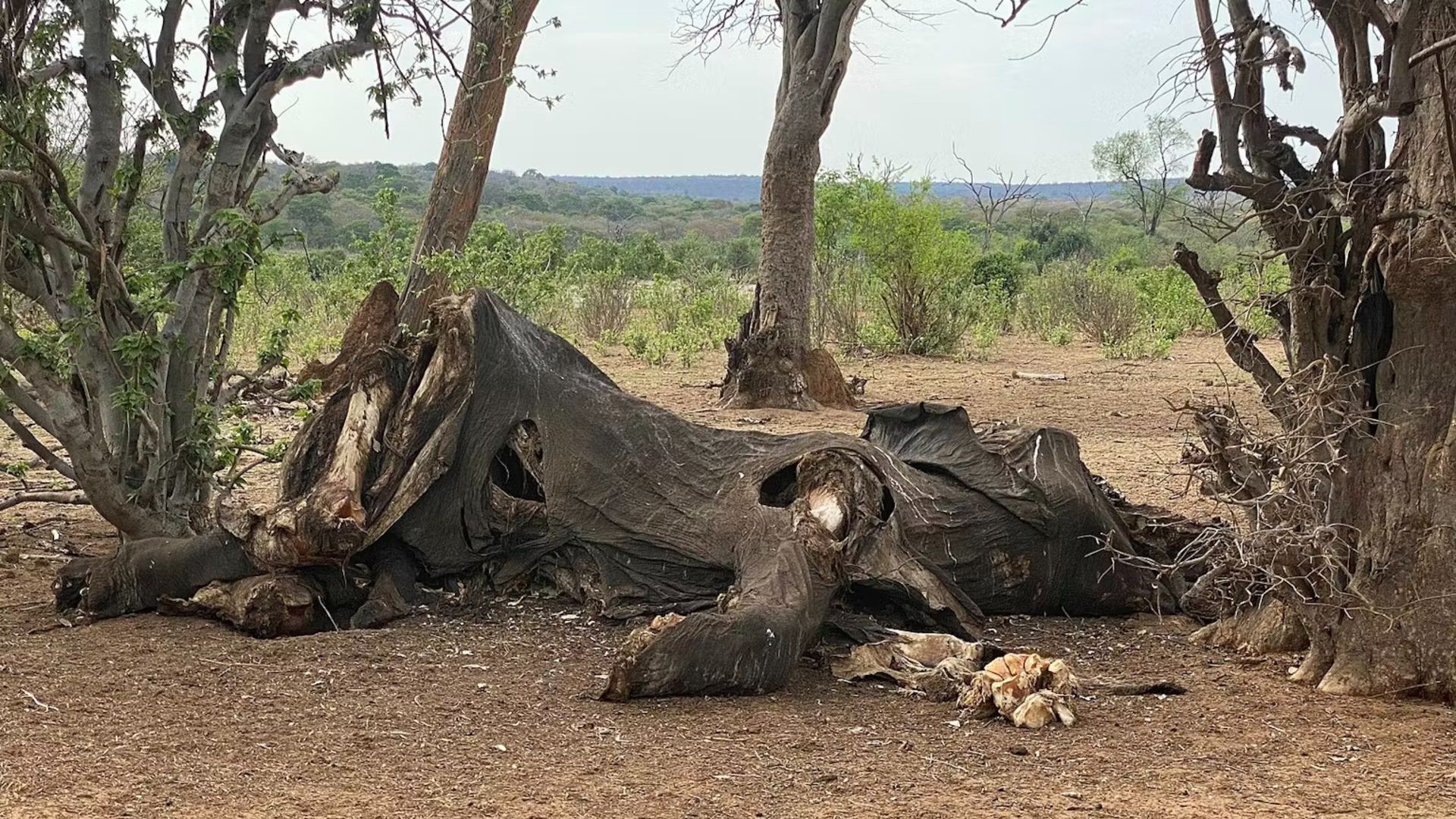
New archaeological evidence from Tanzania suggests that our human ancestors were butchering and consuming massive animals—including prehistoric elephants—as far back as 1.8 million years ago. This discovery shifts our understanding of human evolution, pushing back the timeline of when our ancestors began exploiting “megafauna” (animals weighing over 1,000kg) and suggests a much more sophisticated social structure than previously believed.
A Breakthrough in Archaeological Detection
For decades, determining exactly when early humans began eating large animals has been a challenge for archaeologists. Identifying “butchery” typically relies on finding cut marks left by stone tools on bones. However, with animals as massive as the Elephas recki —a prehistoric titan nearly twice the size of a modern African elephant—this method is often unreliable.
The sheer thickness of elephant skin and vast muscle mass means tools rarely reach the bone. Furthermore, millions of years of geological pressure and animal trampling can erase or mimic these subtle marks.
To overcome this, researchers at Olduvai Gorge utilized two innovative methods:
- Spatial Taphonomy: Instead of looking only at the bones, scientists studied the arrangement of the site. Every creature leaves a “spatial fingerprint.” Lions and hyenas scatter bones in predictable patterns based on their weight; natural deaths result in localized skeletal collapses. By using advanced statistics, researchers found that the bone clusters at the EAK site matched a pattern of high-intensity, focused processing —a signature unique to hominin butchery.
- “Green Breaks”: Researchers identified long bones that had been splintered while they were still fresh. Notably, even spotted hyenas—despite their powerful jaws—cannot break elephant long bone shafts; currently, only humans possess the capability to do so.
The “Expensive Tissue Hypothesis”
This discovery provides a missing link in understanding why the human brain grew so rapidly. According to the “expensive tissue hypothesis,” the development of large, complex brains required a massive increase in high-quality calories, specifically fats and proteins.
An elephant carcass represents a massive “caloric windfall.” A single successful butchery event could provide enough energy to sustain a large group for weeks. This dietary shift likely acted as the fuel necessary to power the metabolic demands of an evolving brain.
Social Cooperation and Group Dynamics
The ability to process an elephant is not merely a matter of diet; it is a matter of social organization. Butchering a megafauna required more than just stone tools; it required teamwork.
To successfully claim a carcass, our ancestors (likely Homo erectus ) would have needed to:
* Cooperate to defend the meat from formidable predators like saber-toothed cats.
* Organize tasks, with some members extracting marrow while others guarded the site.
* Live in larger groups, as the scale of the food source suggests a shift toward more communal living.
This suggests that 1.8 million years ago, our ancestors already possessed a level of environmental awareness and social coordination that is fundamentally “human.”
Adapting to a Changing World
The findings also offer a glimpse into a shifting prehistoric landscape. Analysis of microfossils indicates that the region was transitioning from lush, wooded lake margins into an open, grassy savanna.
As the environment changed, so did our ancestors. While they were already hunting smaller game like gazelles, the move toward megafauna shows a remarkable ability to adapt. By using technology (stone tools) to bypass their biological limitations, they were able to thrive in an increasingly competitive and changing ecosystem.
The traces left at Olduvai Gorge are more than just bones; they represent a pivotal moment in history when our ancestors stopped being mere prey and began mastering their environment through social cooperation and dietary innovation.
Conclusion: The discovery proves that early humans were exploiting massive animals much earlier than once thought, using high-calorie diets and sophisticated social structures to fuel the rapid evolution of the human brain.