


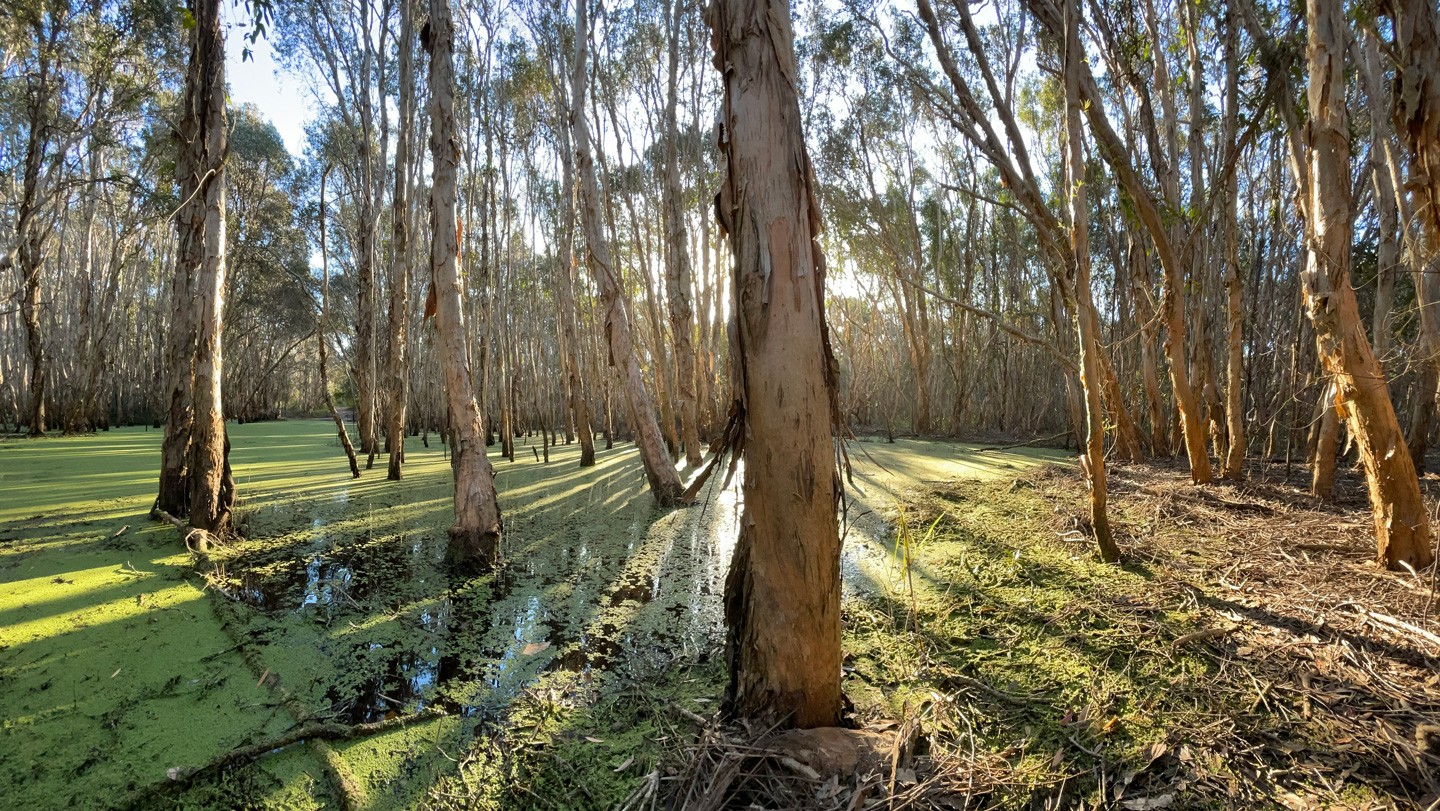
Trees are well-known for absorbing carbon dioxide, but recent research reveals a previously unrecognized climate benefit: microbes living in tree bark actively consume greenhouse gases like methane, hydrogen, and carbon monoxide. This discovery, published January 8 in Science, highlights a critical, yet overlooked, ecosystem service provided by forests worldwide.
The Unexpected Appetite of Tree Bark Microbiomes
For years, scientists puzzled over discrepancies in methane measurements. Studies in regions like the Amazon showed that only half the expected amount of methane was escaping from the ground. Further investigation revealed that significant methane (estimated at 15–20 million metric tons annually) was being released from tree trunks. Initially, trees were assumed to be passive conduits, channeling soil gases upwards. However, research led by Luke Jeffrey at Southern Cross University demonstrated that bark microbes are actively consuming these gases.
Experiments with Australian paper bark trees showed a 35% reduction in methane as it seeped through the bark, confirming that microbes were oxidizing it for energy. This process isn’t limited to soil-derived gases; these microbes also absorb methane, hydrogen, and carbon monoxide directly from the atmosphere, even at trace levels.
Scale and Significance
The sheer scale of this activity is staggering. With an estimated 41 million square kilometers of tree bark globally – an area comparable to the combined landmass of North and South America – and roughly six trillion microbes per square meter, these organisms consume an estimated 25–50 million tons of methane annually. This represents a substantial, previously unaccounted-for contribution to greenhouse gas removal.
Why this matters: Methane is a far more potent greenhouse gas than CO2 in the short term (28 times stronger over 100 years). Hydrogen and carbon monoxide, while not direct greenhouse gases, enhance warming by prolonging methane’s lifespan in the atmosphere. By removing these gases, tree bark microbes amplify the climate benefits of forests beyond CO2 absorption.
Implications for Forest Restoration
The study identified that different tree species harbor varying microbial communities with differing gas-consuming efficiencies. This finding has significant implications for forest restoration efforts. Selecting tree species with highly active bark microbiomes could maximize the climate impact of reforestation projects. As Chris Greening of Monash University puts it, this allows us to “get rid of three or four climate-active gases for the price of one.”
By considering not just the tree itself but also the microbes within it, forest restoration can be optimized to deliver even greater climate benefits.
This research underscores the importance of understanding the hidden world of microbial ecosystems and their role in global climate regulation. Continued study of these bark microbiomes could unlock further strategies for mitigating greenhouse gas emissions and enhancing the effectiveness of climate action.


