The seemingly harmless outputs of Artificial Intelligence – from AI-generated images of cats riding bananas to sophisticated language models like ChatGPT – are built on a foundation of brutal material realities. The relentless demand for AI is driving a new wave of resource extraction, labor exploitation, and environmental damage that is largely invisible to end-users. This isn’t just a sustainability issue; it’s a moral crisis demanding immediate attention.
The Dark Underbelly of AI’s Supply Chain
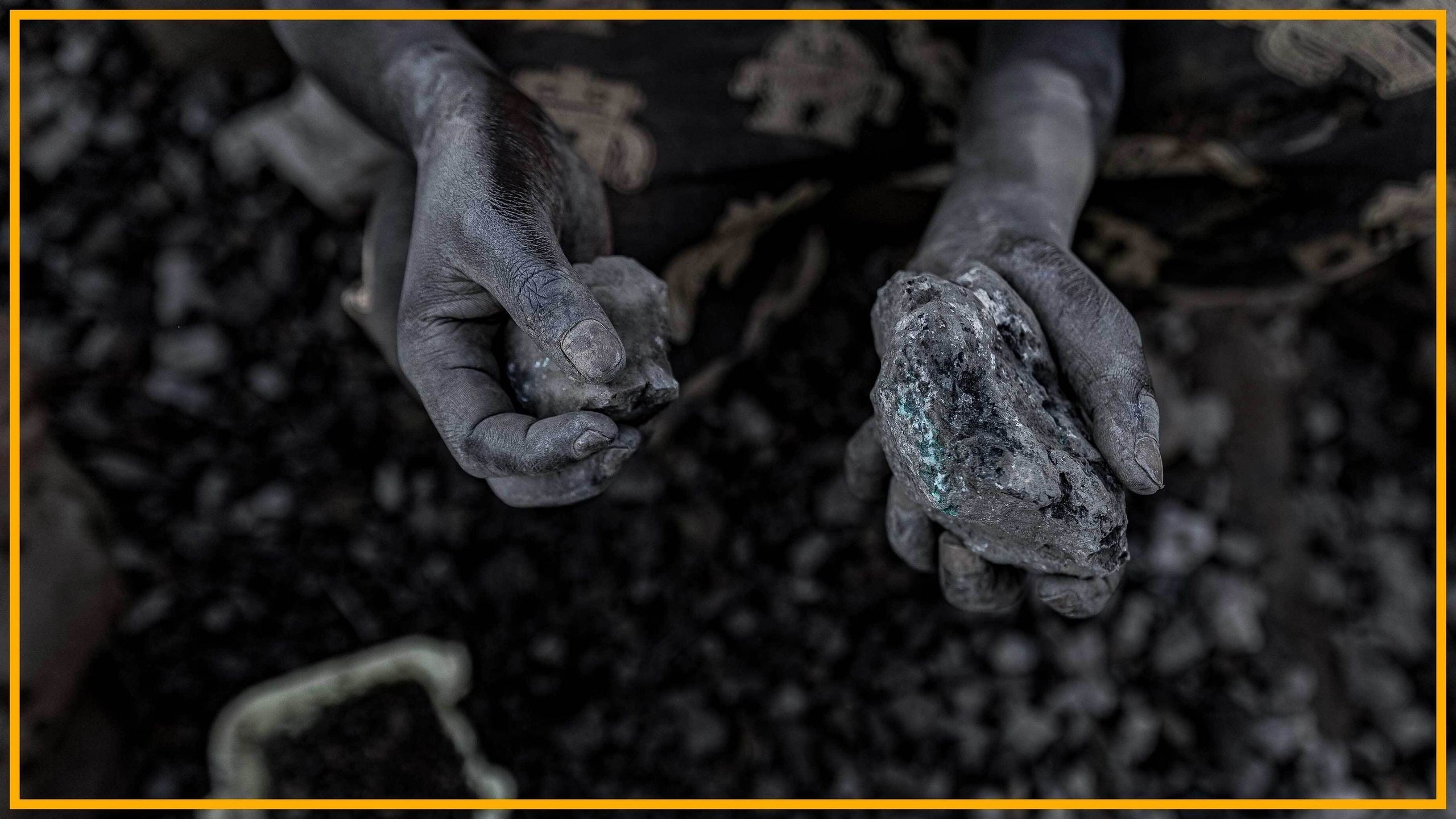
The core of AI’s infrastructure relies on rare earth minerals, lithium, and cobalt. These materials are not simply “mined”; they are often ripped from the earth using horrific labor practices. Children in the Democratic Republic of Congo claw through the dirt for cobalt, while workers in other regions face deadly conditions in unregulated mines. The minerals then flow into supply chains where traceability is impossible, ensuring that even industrial extraction blends with exploitative artisanal mining.
China currently dominates rare earth production, but the U.S. lacks the processing infrastructure to refine these materials domestically. This geopolitical imbalance adds another layer of complexity to the issue. These aren’t just “critical minerals”; they’re strategic assets with implications for national security, and their extraction is often tied to conflict zones like Ukraine and regions controlled by foreign interests in the Congo.
Human Costs Beyond Extraction
The exploitation doesn’t end at the mine. AI models require vast amounts of training data, often sourced from workers exposed to violent and degrading content. Gig workers in countries like Nigeria and India are subjected to traumatic imagery for low wages and with little protection. This unseen labor fuels the systems that power our daily digital interactions.
The Environmental Toll: Data Centers and Resource Depletion
Beyond labor, AI demands colossal energy and water resources. Massive data centers, the engines of AI, are springing up in water-scarce regions like Nevada and Arizona because of cheap land, labor, and low humidity. These centers strain local electricity grids and drive up costs for consumers. The water footprint of AI is staggering: researchers estimate that a single AI-generated email consumes half a liter of water.
Private firms are aggressively pursuing these “resource frontiers,” prioritizing affordability over sustainability. The result is a race to exploit cheap land, water, and energy in areas already vulnerable to ecological stress.
A New “Resource Curse”?
The pattern is clear: AI is accelerating a new “resource curse” in marginalized communities. Wealth generated by local labor is extracted and funneled into the digital economies of the Global North. This cycle perpetuates boom-and-bust dynamics similar to those seen in oil or diamond industries, leaving communities vulnerable to exploitation.
The Urgent Question: Is It Worth It?
The relentless pursuit of AI efficiency gains obscures the profound social and environmental costs. The question is not whether AI can deliver benefits, but at what price. Do we need ChatGPT to write every email? Do we truly need AI-generated images of frivolous content if they are built on suffering?
Ignoring these realities renders claims of sustainability hollow. If we continue to embrace AI without fundamentally reassessing our resource consumption and labor practices, we risk building a future powered by exploitation and environmental destruction. This is a crisis that demands urgent, honest reckoning.