Recent genetic discoveries have revealed a startling truth: our evolutionary past is far more complex than previously imagined. Scientists are identifying “ghost lineages” – extinct populations whose existence was previously unknown, yet whose genetic traces persist in the genomes of living species, including humans. This isn’t about folklore; it’s about the hidden layers of ancient DNA rewriting our understanding of evolution.
What Are Ghost Lineages?
A ghost lineage refers to an extinct population that left no fossil record but whose genetic contributions can still be detected in modern genomes. As paleoanthropologist John Hawks defines it, these are “ancient groups that became extinct, but not before contributing some of their own genes to other populations that survived.” The discovery of these lineages has largely been accidental, as researchers studying the DNA of now-extinct animals like mammoths, Pleistocene yaks, and lemmings stumbled upon genetic signatures that didn’t match any known species.
This suggests that genetic diversity was significantly higher during the last ice age than it is today. Evolutionary geneticist Love Dalén notes this pattern is prevalent in Arctic species, highlighting how past climate change has profoundly shaped present-day biodiversity. The implication is clear: we need to actively search for these lost genetic histories rather than relying on chance findings.
The Human Story: Ghosts in Our Ancestry
The presence of ghost lineages in human evolution is particularly revealing. For decades, the prevailing model assumed a relatively linear progression of human development, with Homo sapiens emerging in Africa and eventually replacing other human forms through competition and limited interbreeding.
However, the past two decades of genetic analysis have shattered that view. The genomes of modern humans and our extinct relatives contain traces of several archaic groups that left no known fossils. Paleoanthropologist Michael Petraglia describes the evolutionary “tree” as having transformed from a simple line to a “bushier” or even a “braided stream” as more ghost lineages are identified.
Superarchaic Ancestors and Interbreeding
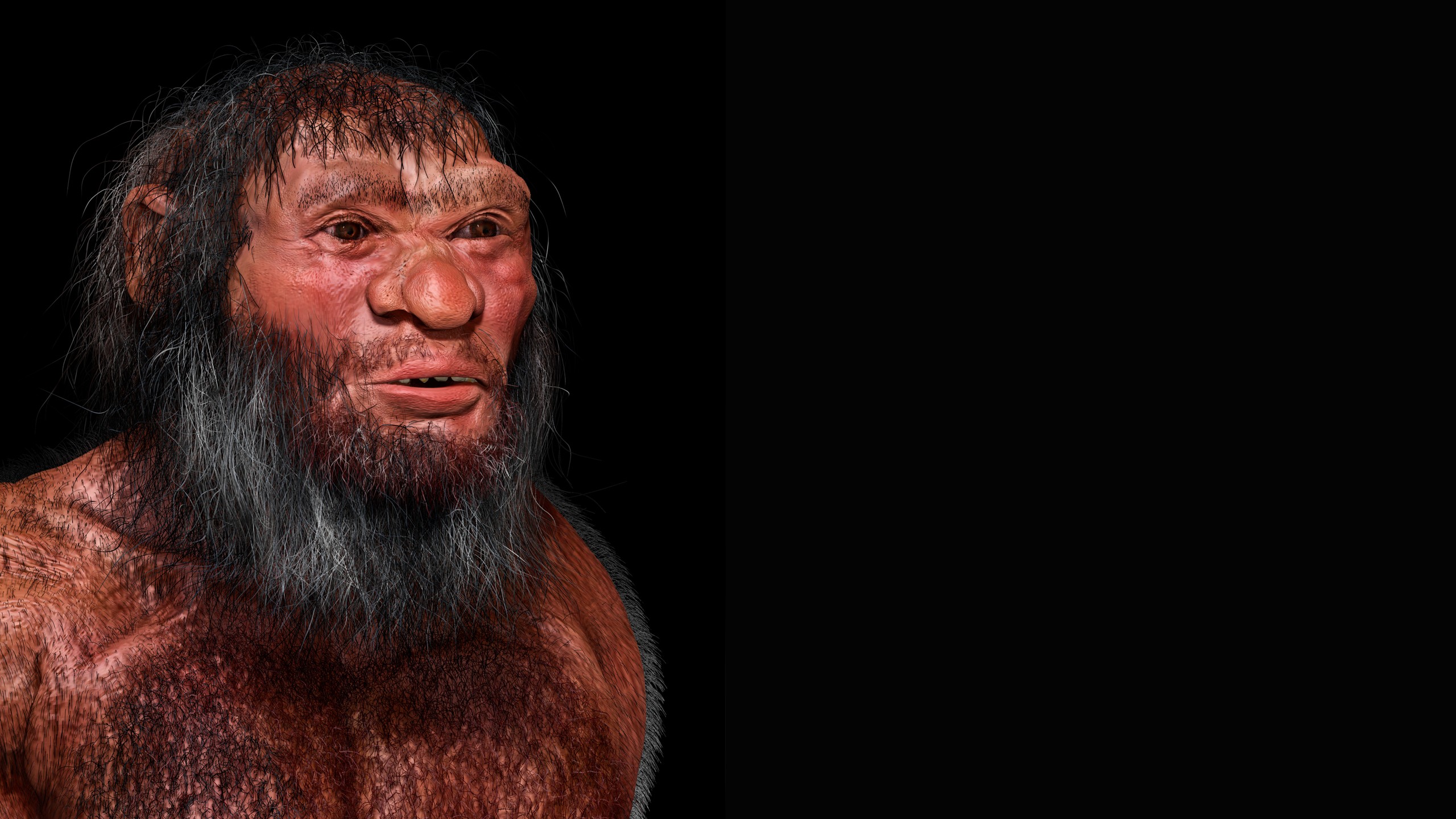
Scientists have identified traces of a “superarchaic” human lineage that diverged from the ancestors of modern humans, Neanderthals, and Denisovans approximately 2 million years ago. This group existed during the time of Homo erectus but left behind no fossil evidence, making its existence known only through its genetic signature.
The situation is further complicated by extensive interbreeding between these groups. Genetic evidence suggests multiple encounters between Denisovans, Neanderthals, and the superarchaic lineage, resulting in a significant presence of “ghost” genes in the genomes of Denisovans and humans with Denisovan ancestry. The discovery of these interactions is forcing scientists to reconsider how we define the “last common ancestor” and the lineage of modern humans.
Why This Matters
The recognition of ghost lineages is not just an academic exercise. It fundamentally changes how we approach evolutionary research. Ancient DNA is now essential for quantifying past changes in biodiversity, especially in a world facing rapid species loss. Understanding these hidden histories provides insights into our own origins and the complex forces that shaped our species.
The story of ghost lineages is a reminder that our understanding of the past is incomplete, and that the genetic record holds secrets yet to be uncovered. As technology advances, we can expect even more surprising revelations about the hidden layers of life’s history.