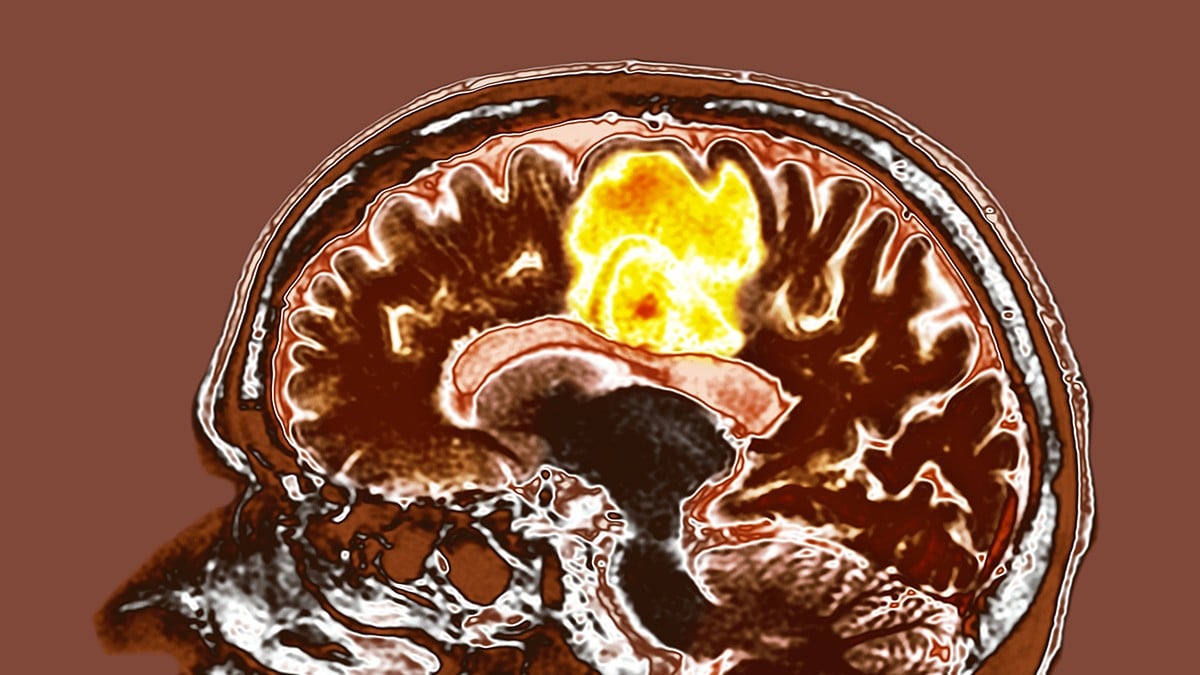
A preliminary study from Tata Memorial Hospital in India suggests that a combination of resveratrol and copper could offer a novel approach to treating glioblastoma, one of the most aggressive forms of brain cancer. While early results are encouraging, researchers emphasize that longer-term data is needed to confirm the supplements’ impact on patient survival.
The Challenge of Glioblastoma
Glioblastoma is notoriously difficult to treat due to its rapid growth and resistance to conventional therapies. Current treatments—surgery, radiation, and chemotherapy—extend life expectancy but rarely achieve complete remission. This drives the search for innovative strategies, including exploring the potential of readily available compounds like resveratrol and copper.
The Study Design and Preliminary Findings
The study involved 10 glioblastoma patients who took a tablet containing both resveratrol and copper shortly before surgery. Researchers then compared tumor samples from these patients to those of a control group undergoing surgery without supplementation. The key findings include:
- A 30% reduction in a biomarker associated with cancer growth in the treated group.
- A 41% decrease in proteins that suppress the immune system’s ability to fight cancer.
- A 56% drop in biomarkers linked to cancer stem cells, which fuel tumor recurrence.
Crucially, the study did not assess tumor size or progression directly, focusing instead on cellular markers.
The Role of Cell-Free Chromatin Particles (cfChPs)
The researchers hypothesize that resveratrol and copper work by neutralizing cell-free chromatin particles (cfChPs). These DNA fragments, released by dying cancer cells, trigger inflammation and accelerate tumor growth. By eliminating cfChPs, the supplements may “subdue” the cancer rather than outright destroying it.
The Need for Long-Term Follow-Up
The current trial is expanding to 66 patients with follow-up scans scheduled every six months for at least two years. This extended observation period is critical to determine whether the observed changes in cellular markers translate into meaningful improvements in patient survival.
Rethinking Cancer Treatment
Dr. Indraneel Mittra, lead researcher, suggests that decades of focusing on “killing” cancer cells may have been misguided. Instead, he proposes exploring methods to “heal” tumors, potentially by manipulating the microenvironment that fuels their growth. This approach, while unconventional, may offer a new path forward in treating aggressive cancers like glioblastoma.
The results of this study offer a glimmer of hope, but definitive conclusions require rigorous long-term data. If confirmed, this simple, inexpensive supplement combination could represent a significant step toward improving outcomes for patients with this devastating disease.