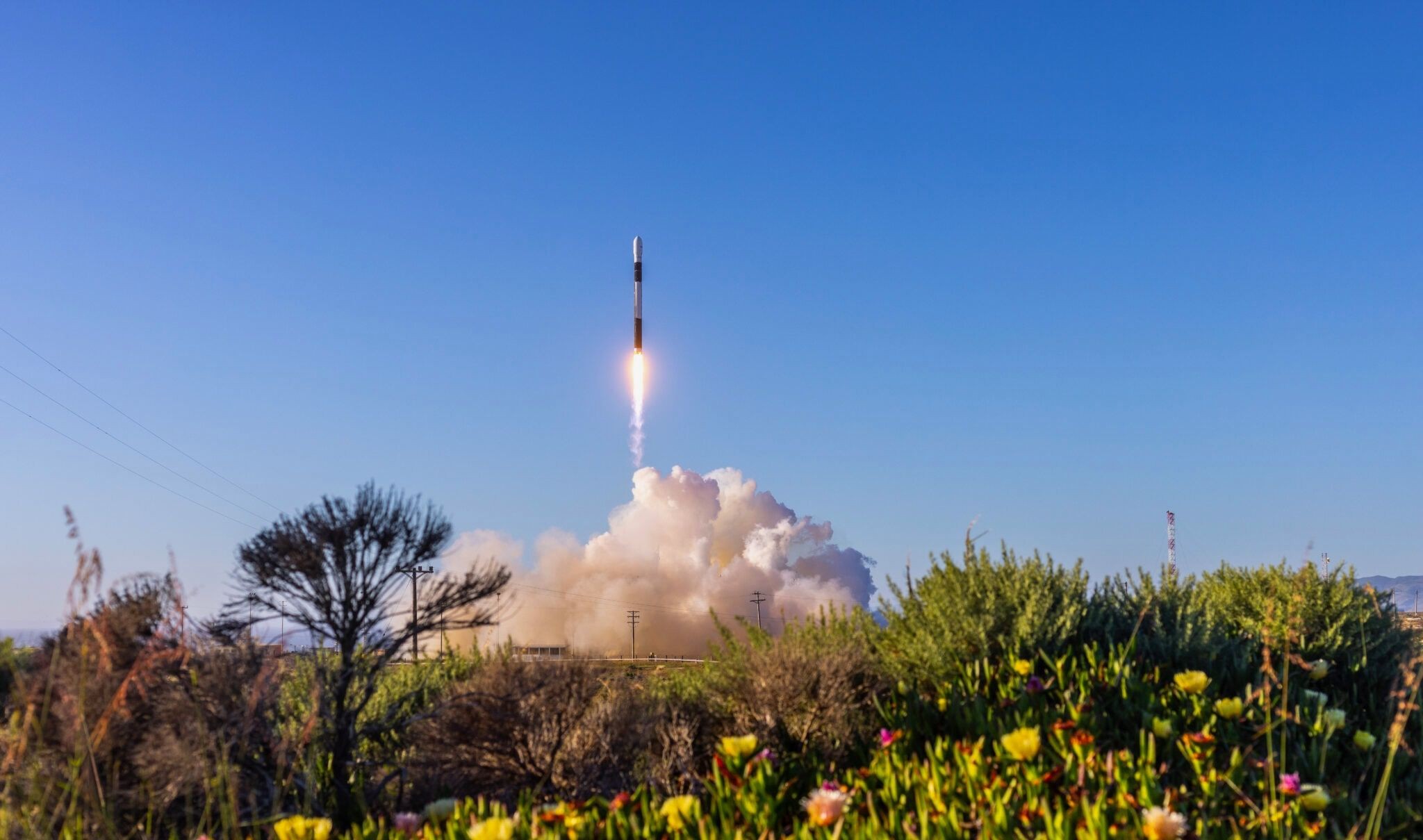
Firefly Aerospace has achieved a crucial milestone, successfully launching its Alpha rocket into orbit on March 11th, marking its first successful flight in nearly a year. This launch, dubbed “Stairway to Seven,” follows a period of setbacks – including two significant failures in 2025 – and demonstrates the company’s resilience in the competitive space launch market.
Recovering from Past Mishaps
The “Stairway to Seven” mission is the seventh attempt for Firefly’s Alpha rocket, which previously experienced failures during the “Message in a Booster” mission last April and a catastrophic first-stage explosion during prelaunch tests last September. The latter incident delayed the mission by months while the company investigated the cause, eventually attributing it to “a process error during stage one integration that resulted in a minute hydrocarbon contamination.”
This contamination, rather than a fundamental design flaw, was identified as the root cause, allowing Firefly to resume testing and prepare for another launch. This distinction is critical: it shows the problem was fixable, not systemic.
A Test Flight with Real Results
Firefly reframed “Stairway to Seven” as a test flight, prioritizing achieving “nominal first and second stage performance.” The launch, which occurred at 8:50 p.m. ET from Vandenberg Space Force Base in California, proceeded smoothly. First-stage separation occurred at approximately 2 minutes, 40 seconds into flight, and the upper stage successfully reached orbit approximately 8 minutes after liftoff at an altitude of 151 miles (243 kilometers).
The company confirmed the success via X (formerly Twitter), stating, “Mission success! Alpha Flight 7 achieved nominal performance and validated key systems ahead of our Block II configuration upgrade.” The flight also carried a demonstrator payload for Lockheed Martin, highlighting the commercial viability of the launch.
Looking Ahead: Alpha Block II
Firefly will now retire the Block I configuration of the Alpha rocket and focus on upgrading the launch vehicle to the Block II version. This updated version will be approximately 7 feet taller, with improved avionics, power systems, and thermal protection.
This transition is important because Firefly has had a mixed record in orbital launches: only three successes in seven attempts. However, the company has excelled in other areas, such as the successful lunar landing of its uncrewed Blue Ghost lander in 2023 – the first private spacecraft to achieve this feat. The Block II upgrade is essential for Firefly to establish itself as a reliable launch provider.
The “Stairway to Seven” mission represents a significant step forward for Firefly Aerospace, demonstrating its ability to overcome technical challenges and validate key systems ahead of future upgrades. The company’s continued progress will be critical as it seeks to compete in the rapidly evolving commercial space sector.