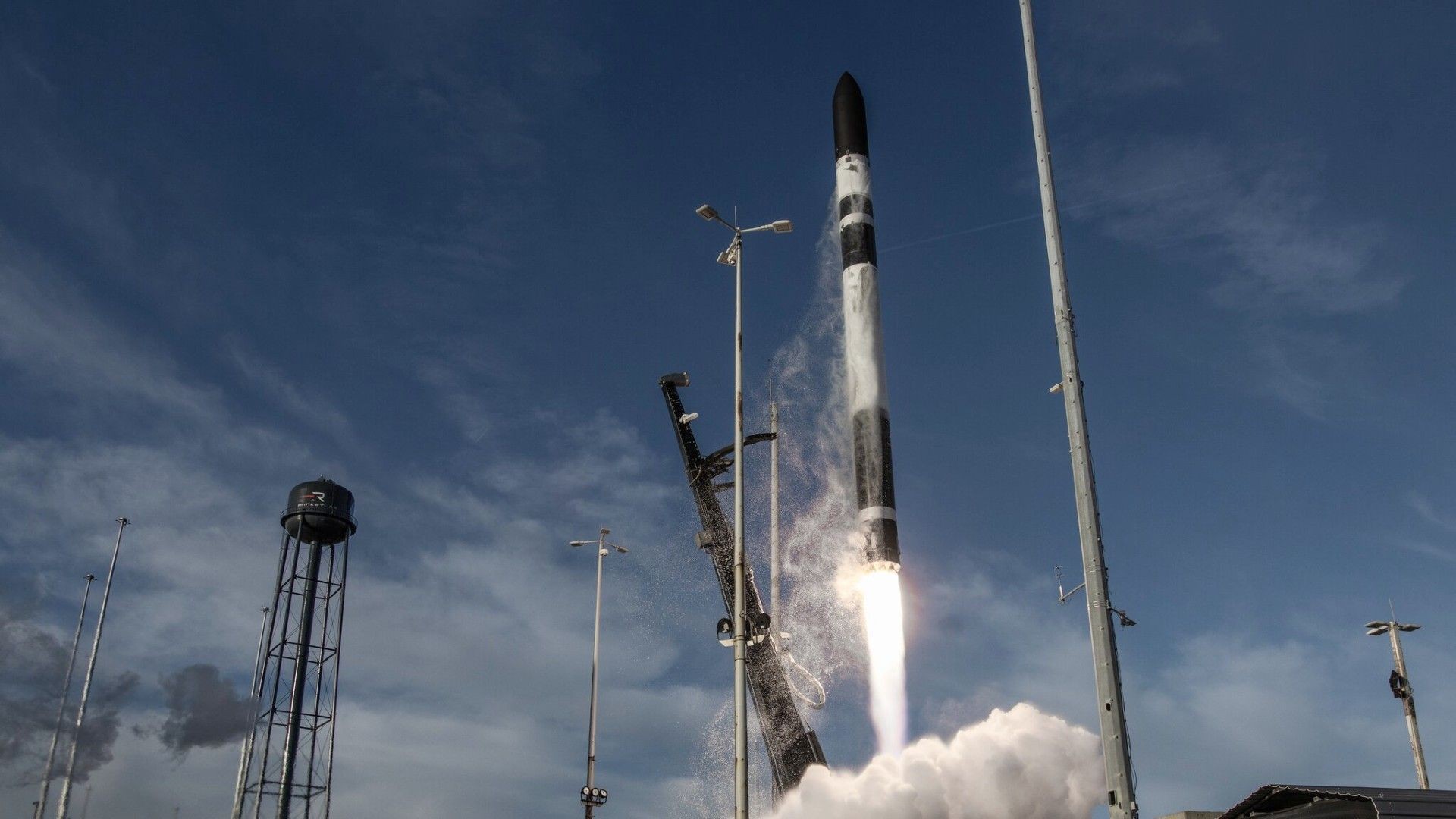
Rocket Lab successfully launched its sixth hypersonic test flight this week, advancing critical missile defense technology development for the U.S. military. The launch, dubbed “Prometheus Run,” took place on November 18th from Wallops Island, Virginia, under contract with the Defense Innovation Unit (DIU) and Missile Defense Agency (MDA). 🚀
Hypersonic Testing on a Rapid Schedule
The flight utilized Rocket Lab’s Hypersonic Accelerator Suborbital Test Electron (HASTE), a modified version of their Electron rocket typically used for launching small satellites. HASTE provides a fast-turnaround testbed for hypersonic technologies, completing this mission just 14 months after booking – a notably quick pace for government-sponsored programs. This speed is a key benefit of using commercial launch services.
What Was Tested?
Details about the specific technologies tested remain classified, as is typical for military-funded research. However, Rocket Lab confirmed the flight carried a primary payload developed by the Johns Hopkins University Applied Physics Laboratory, along with additional payloads from both federal and private sector partners. These tests aim to improve U.S. missile defense capabilities. 🛡️
The Growing Importance of Hypersonic Research
The U.S. military is heavily investing in hypersonic technology because these weapons travel at five times the speed of sound or faster. This makes them difficult to intercept with existing defense systems. Rapid testing and development, like the HASTE program allows, is essential to keeping pace with potential adversaries who are also pursuing similar capabilities.
Commercial Partnerships Drive Progress
According to Lt. Col. Nicholas Estep, director of DIU’s Emerging Technology Portfolio, leveraging commercial launch providers like Rocket Lab is vital for accelerating hypersonic development. “Accessing the commercial and non-traditional ecosystem is a key enabler to accelerating progress in the hypersonics community… driving towards mass and affordability.” This approach allows the military to bypass traditional bureaucratic delays and benefit from the efficiency of private industry. 💸
The success of “Prometheus Run” demonstrates the growing collaboration between the U.S. military and commercial space companies, highlighting a new approach to defense technology innovation. This partnership is expected to continue as the demand for advanced missile defense systems increases globally.