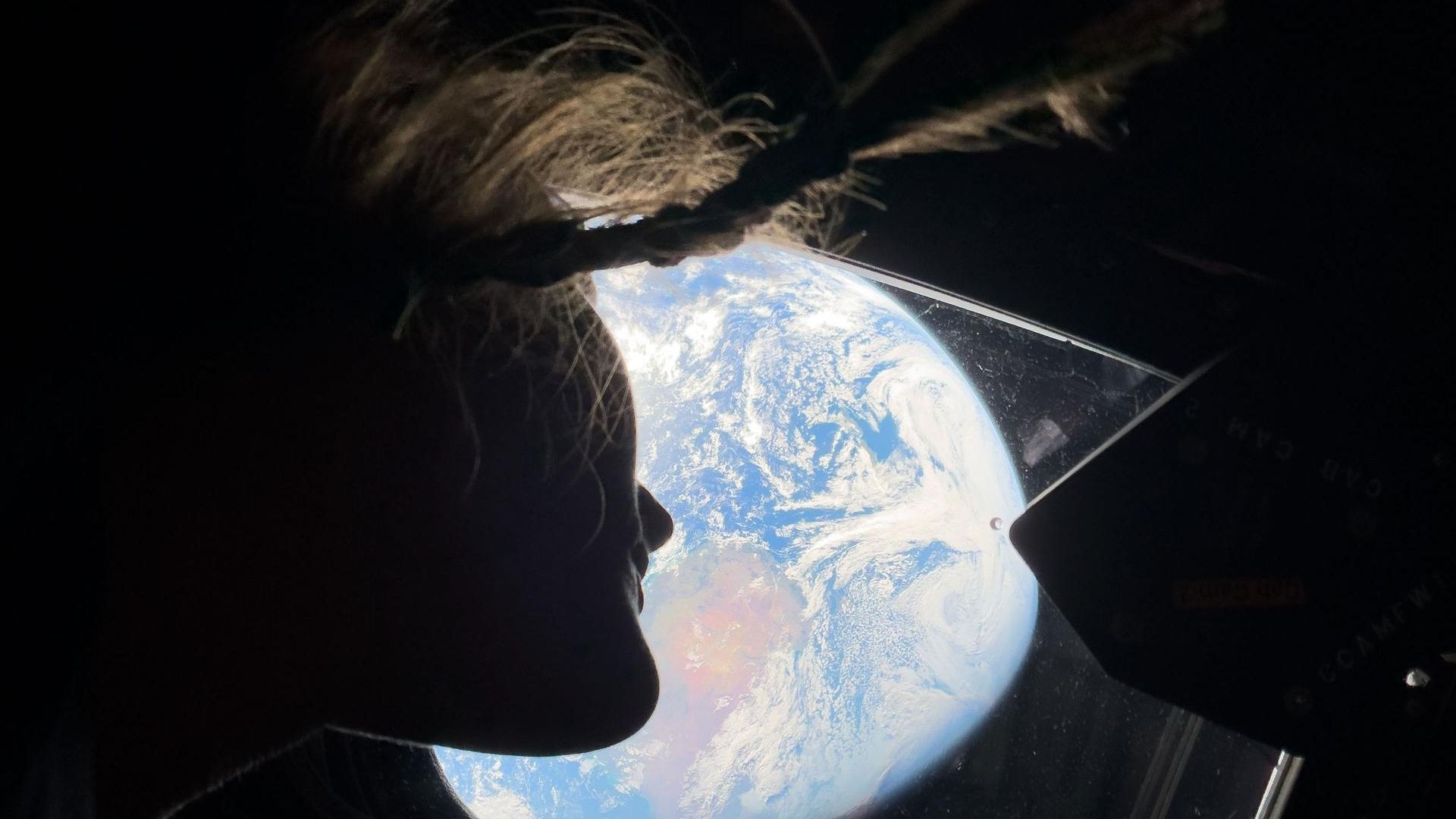
While NASA’s Artemis 2 mission is defined by high-stakes scientific goals—such as testing the Orion capsule in deep space and studying lunar lava flows—the journey is also defined by human tradition. Among the technical checklists and zero-gravity indicators like the mission’s “Rise” toy, there is a more rhythmic ritual: the wakeup songs.
A Tradition of Lunar Melodies
The practice of playing music to greet astronauts is a long-standing tradition in human spaceflight. Each morning, Mission Control radios a short musical snippet to the crew to provide a sense of connection to Earth and a boost of positivity.
For the Artemis 2 crew, these selections have ranged from indie covers to pop anthems. The playlist has even sparked moments of levity; during Flight Day 4, Mission Control played Chappell Roan’s “Pink Pony Club,” but cut the track before the chorus. The interruption didn’t go unnoticed by the crew.
“We were all eagerly awaiting the chorus,” remarked Artemis 2 commander Reid Wiseman.
The Artemis 2 Playlist So Far
As the mission progresses, the “soundtrack” continues to evolve. Here is the current lineup of wakeup songs:
- Flight Day 1: “Sleepyhead” (Young & Sick cover)
- Flight Day 2: “Green Light” by John Legend (feat. André 3000)
- Flight Day 3: “In a Daydream” by Freddy Jones Band
- Flight Day 4: “Pink Pony Club” by Chappell Roan
- Flight Day 5: “Working Class Heroes (Work)” by CeeLo Green
- Flight Day 6: “Good Morning” by Mandisa & TobyMac
From Apollo to the Space Shuttle
These musical greetings are not a modern invention; they serve as a psychological bridge between the isolation of space and the familiarity of home. This tradition has roots stretching back decades:
The Apollo Era
During the early days of lunar exploration, the songs reflected the era’s culture and the grandeur of the mission.
– Apollo 10 astronauts were greeted with Frank Sinatra’s “It’s Nice to Go Trav’ling.”
– Apollo 15 featured the iconic theme from 2001: A Space Odyssey.
The Space Shuttle Program
As NASA moved into the Shuttle era, the music became more personal, often involving family members or specific cultural touches for international astronauts.
– STS-134: Pilot Greg Johnson received “Drops of Jupiter,” a song chosen by his son. The moment provided a rare, poignant human connection, as Johnson expressed his love for both the song and space while acknowledging his absence from his son’s birthday.
– STS-135: The final shuttle mission featured a mix of high-profile selections, including Coldplay’s “Viva la Vida” and a special a cappella version of R.E.M.’s “Man on the Moon,” sent personally by Michael Stipe.
Why Music Matters in Orbit
In the extreme, often sterile environment of a spacecraft, these small gestures serve a vital purpose. Music acts as a psychological anchor, helping astronauts maintain morale and mental well-being during long-duration missions. By incorporating these “whimsical” elements, NASA humanizes the immense technical complexity of space exploration.
The Artemis 2 wakeup songs represent more than just background noise; they are a vital link to human culture and emotion in the silence of deep space.