New archaeological evidence from a remarkably preserved Roman construction site in Pompeii has upended previous understandings of how the ancients created their famously durable concrete. A study led by MIT researchers, published in Nature Communications, reveals that Roman concrete wasn’t just strong – it was self-healing, thanks to a deliberate use of quicklime mixed during the “hot-mixing” process. The discovery provides unprecedented insight into a construction technique that allowed Roman structures to endure for millennia.
The Pompeii Breakthrough
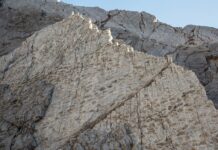
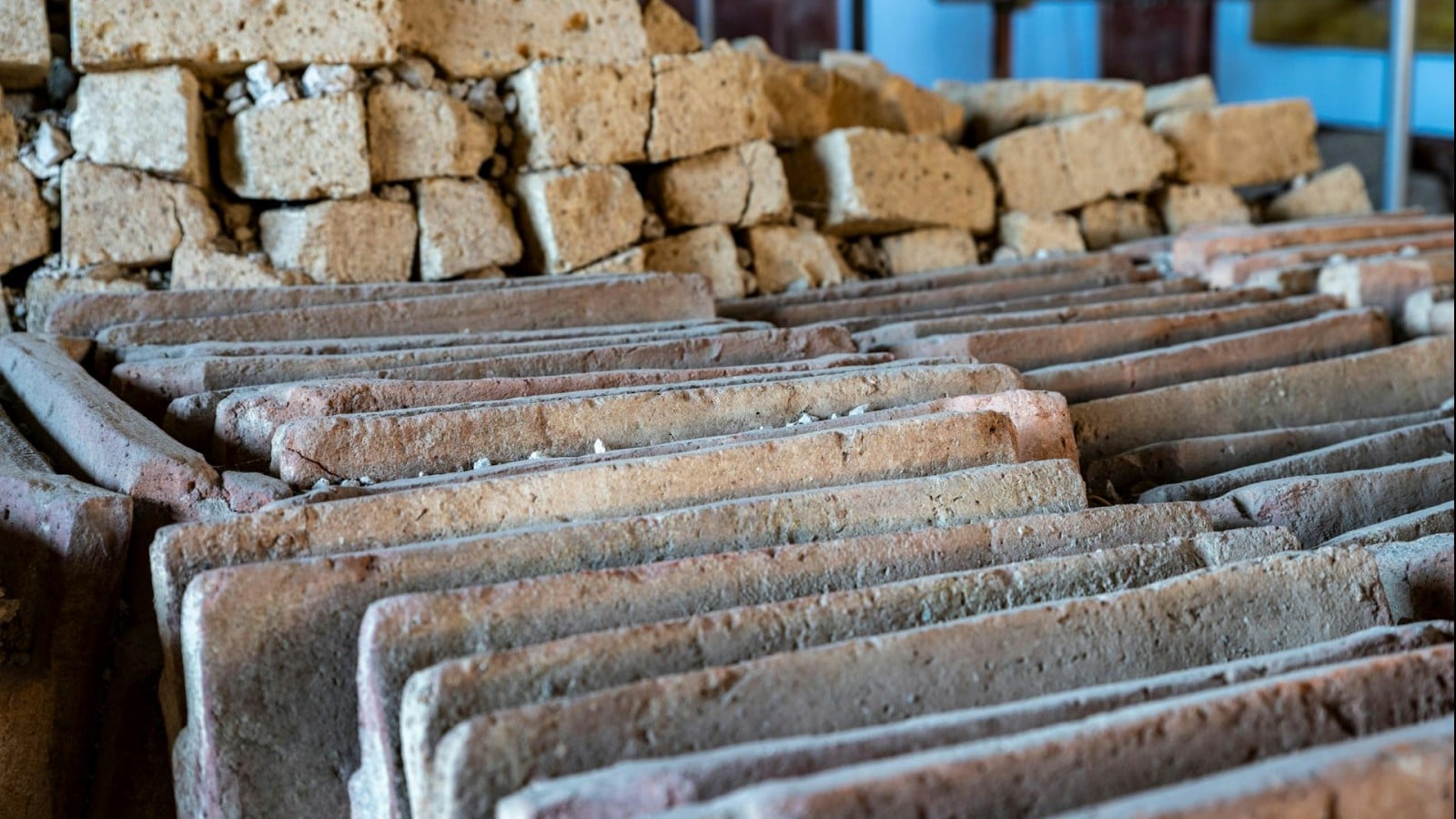
The key to this revelation lies in the ruins of a partially-built home abandoned during the eruption of Mount Vesuvius in 79 CE. Unlike typical archaeological finds, this site contained untouched building materials prepared for use, including sorted tiles, recycled wine containers (amphorae), and most critically, dry materials awaiting final mixing. This unique preservation allowed researchers to examine the concrete’s components before they were combined with water – a rare opportunity to understand the exact chemical reactions involved.
Hot-Mixing and Self-Healing: The Key Ingredients
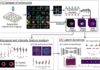
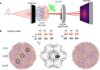
The study identifies microscopic fragments of quicklime (calcium oxide) as the crucial ingredient. When water was added to the quicklime alongside volcanic ash (pozzolana), an exothermic reaction occurred, generating heat. This “hot-mixing” method created a concrete fundamentally different from modern formulations. Within the resulting material, undissolved lime clasts retained their reactivity.
If cracks formed in the concrete, these lime clasts would react with fresh water, effectively healing the damage. This self-healing property explains why many Roman structures have survived centuries of stress and weathering.
“The tiny lime clasts were not simply a byproduct of the manufacturing process. They were intentionally included to ensure the longevity of the concrete.”
Ancient Knowledge Confirmed
Historical accounts from Roman authors like Vitruvius and Pliny the Elder had hinted at this technique, but scholars previously assumed Vitruvius’s advice on lime and pozzolana did not involve hot-mixing. However, Pliny the Elder’s description of quicklime’s reaction with water corroborates the exothermic process. Previous findings at Privernum, near Rome, had already indicated the presence of lime clasts, and observations of crack healing in structures like the tomb of Caecilia Metella on the Via Appia further supported the self-healing theory.
Remaining Questions and Future Research
While the Pompeii discovery is groundbreaking, several questions remain. It’s unclear how widespread this hot-mixing method was across the Roman Empire. The Romans also produced subpar mortar, as noted by Pliny the Elder, demonstrating that quality control wasn’t always consistent.
Further research is needed to determine if this technique was a response to frequent earthquakes in the region and whether the inclusion of quicklime was a deliberate attempt to mitigate cracking. Identifying more instances of self-healed concrete in other Roman structures will be essential to understanding the full extent of this remarkable engineering feat.
Ultimately, this study confirms that Roman concrete wasn’t just exceptionally durable; it was actively designed to endure, making it a marvel of ancient engineering.