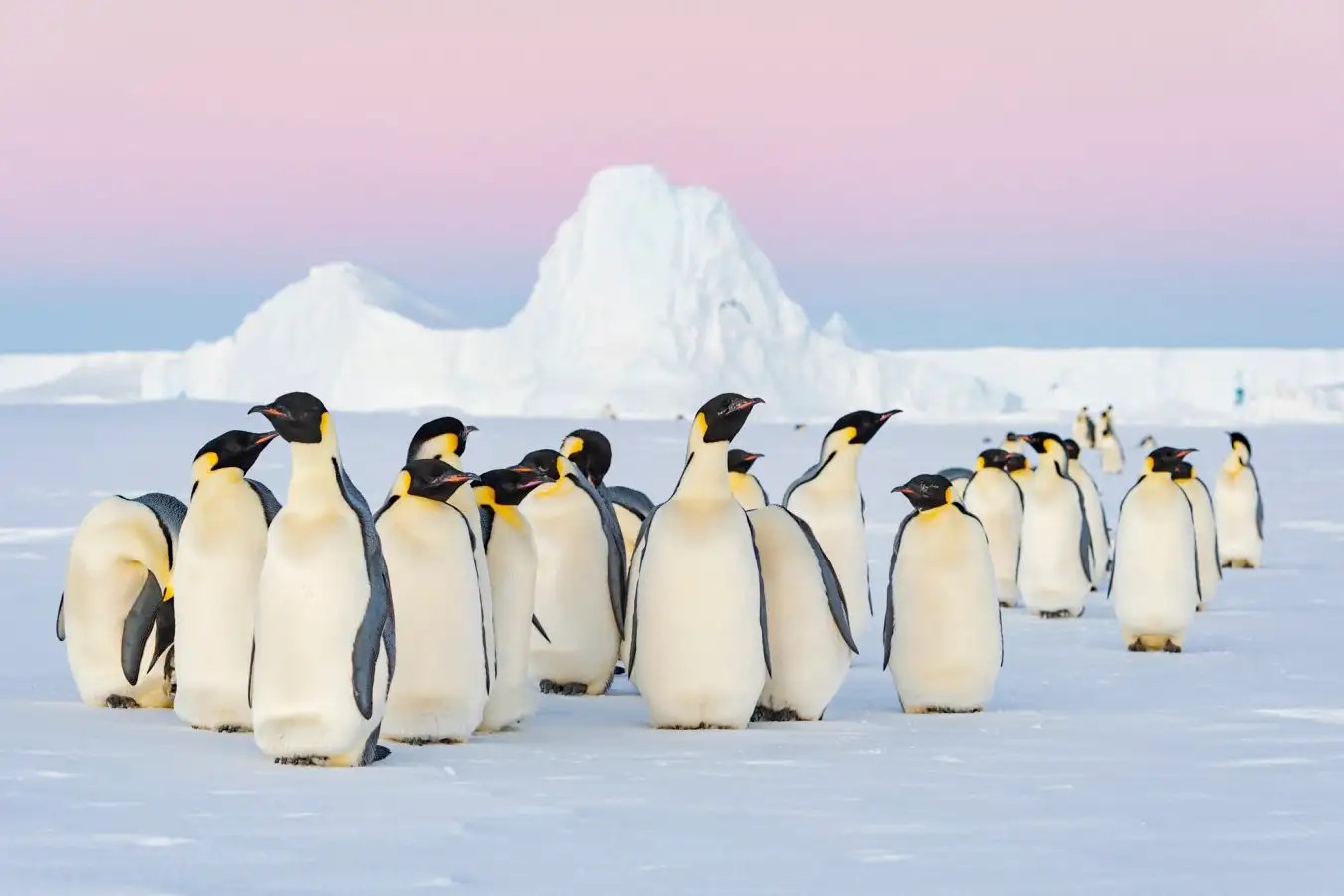
The biological stability of Antarctica is facing a severe crisis. In a significant update to the International Union for Conservation of Nature (IUCN) Red List, two of the continent’s most recognizable species—the emperor penguin (Aptenodytes forsteri ) and the Antarctic fur seal (Arctocephalus gazella )—have been officially classified as endangered.
This reassessment follows a period of rapid and dramatic population declines, signaling a broader breakdown in the Antarctic ecosystem.
The Rapid Decline of Key Species
The data provided by the IUCN reveals a troubling trend of shrinking populations across several marine mammal and bird species:
- Emperor Penguins: Satellite imagery indicates that between 2009 and 2018, the population lost approximately 10% of its adults (over 20,000 individuals). Projections are even more grim, suggesting the population could be halved by the 2080s.
- Antarctic Fur Seals: This species has seen a massive collapse, with mature populations dropping from over 2 million in 1999 to just 944,000 in 2025—a decrease of more than 50%.
- Southern Elephant Seals: While not yet classified as endangered, this species has been moved from “least concern” to “vulnerable” due to devastating outbreaks of avian flu, which has reportedly killed over 90% of newborn pups in certain colonies.
The Climate Connection: A Loss of Habitat
The primary driver behind the decline of the emperor penguin is human-induced climate change. Unlike many other species that can migrate to find new habitats, emperor penguins are biologically tethered to “fast ice”—sea ice that remains attached to the coastline or seabed.
Experts from the British Antarctic Survey and the University of Wollongong highlight a critical chain reaction:
1. Global warming melts sea ice and causes it to break up earlier in the spring.
2. Loss of stable platforms prevents penguins from breeding, feeding, and moulting successfully.
3. Breeding failure occurs when chicks are exposed to open water too early; in many areas, such as the Antarctic Peninsula, chicks are drowning as the ice they rely on breaks away prematurely.
“As global heating warms the oceans and melts the sea ice, this removes the breeding places which allow emperors to reproduce successfully,” warns researcher Sharon Robinson.
Current research suggests that nearly half of the 60 known emperor colonies have experienced increased or complete breeding failures since 2016.
Why This Matters
The classification of these species as endangered is more than just a change in status; it is a biological warning sign. The decline of “sentinel species” like the emperor penguin often reflects the health of the entire Southern Ocean. When the ice disappears, it doesn’t just affect the birds; it disrupts the entire food web, from the microscopic algae and krill to the apex predators.
The World Wide Fund for Nature (WWF) emphasizes that the survival of these animals is directly tied to global climate policy. The ability to prevent total extinction may depend on the global community’s success in transitioning away from fossil fuels and limiting temperature increases to within the 1.5°C threshold.
Conclusion: The rapid decline of emperor penguins and fur seals serves as a stark indicator of how climate change is destabilizing Antarctic ecosystems, threatening species with extinction by the end of the century.