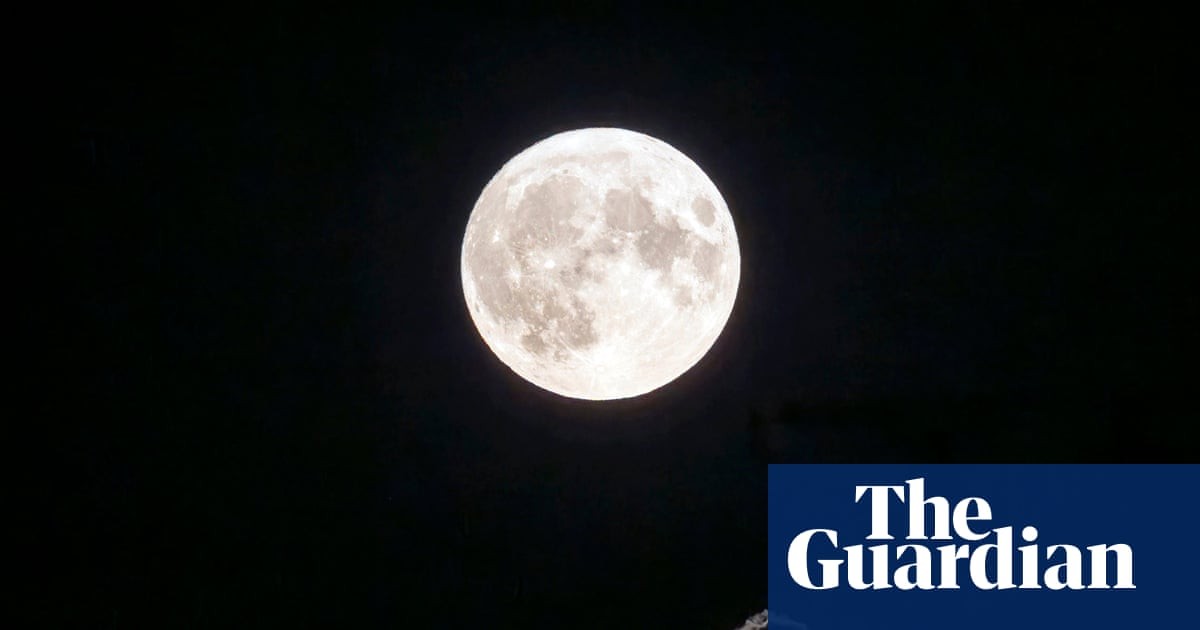
This week the moon glows full. Call it a blue moon.
Not because the rock above is turning cyan, or deep oceanic navy, or even faintly lavender. The term has nothing to do with pigment. It is a calendar problem. A messy, human invention trying to force circular orbits into straight grids. 🌑
Here is the issue.
The moon needs 29.5 days to loop our planet. Simple math tells us twelve of those cycles leave us eleven days short of a year. If we kept the seasons honest by counting strictly by moon phases, winter would bleed into summer by the third century. Chaos. Or just very confusing holiday shopping.
So we anchored the year to the stars instead. Let the sun dictate the year, let the moon chase it. Sometimes the moon wins a sprint. A year gets thirteen full moons instead of twelve. The thirteenth? That’s the outlier. The glitch. We call it a blue moon.
Technically it means the second full moon lands in a single calendar month. May 1 was a full moon. Fast forward to May 31. The second one. Boom. Blue.
Or not.
Astronomers roll their eyes at the calendar rule. They prefer the seasonal method, which is stricter. Less convenient, but older. Under those rules, this week’s moon isn’t blue. You won’t see the real, traditional blue moon until May 20, 2027.
Who keeps the score?
We do. Which means the sky owes us nothing. The stars keep turning regardless of what we name them. Or when.
A calendar is just a lie we all agree to believe, temporarily. 📅
Look up if you want. The moon looks exactly like it did yesterday. Just slightly more famous for being late.