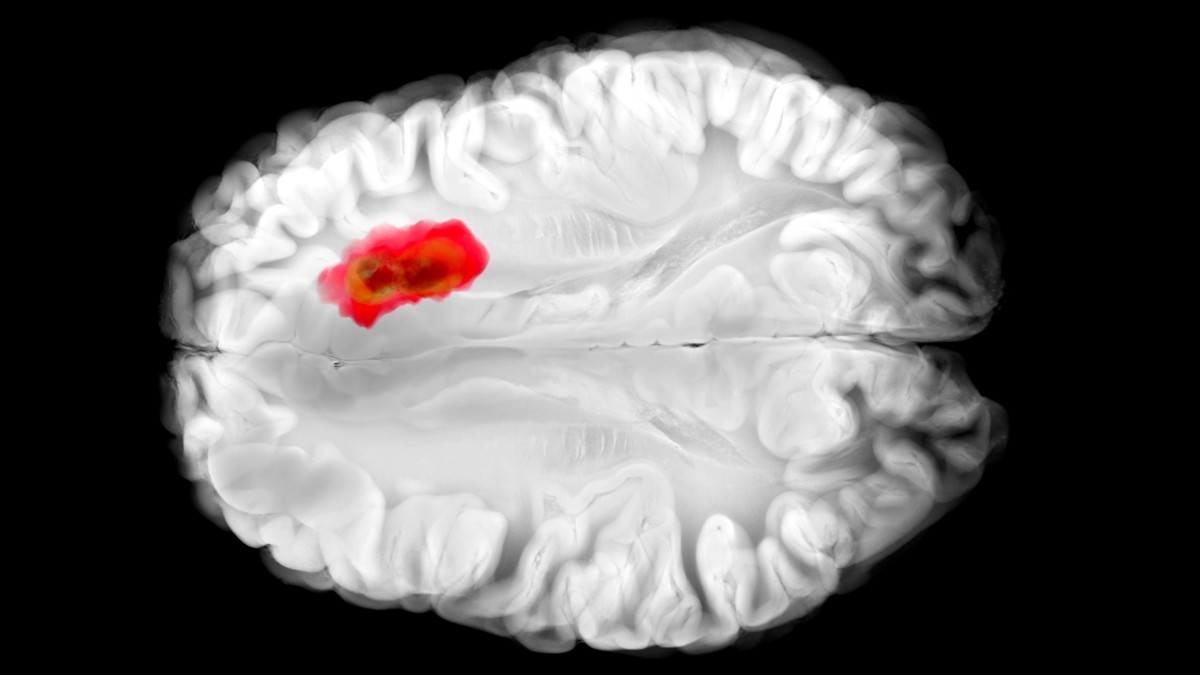
A decades-old medication, hydralazine, used to treat high blood pressure, has been found to inhibit a key enzyme linked to aggressive glioblastoma, one of the most lethal forms of brain cancer. The discovery, led by researchers at the University of Pennsylvania, sheds light on how the drug works and opens doors to new cancer therapies.
The Unexpected Mechanism
For years, hydralazine’s mechanism has been unclear. Now, scientists know it blocks 2-aminoethanethiol dioxygenase (ADO), an enzyme that tumors hijack to spread more effectively. ADO acts like an “alarm bell” – when oxygen levels drop, it triggers a reaction that tightens blood vessels by destroying RGS proteins. Glioblastoma tumors thrive on this process, producing a chemical called hypotaurine that helps them survive and resist treatment.
This is significant because no ADO inhibitors were previously known. Hydralazine’s ability to mute ADO in lab tests halted glioblastoma growth, suggesting a potential new way to control the cancer’s spread.
Why This Matters: From Pregnancy to Brain Tumors
Hydralazine’s effectiveness in treating preeclampsia – a dangerous high blood pressure condition in pregnant women responsible for 5-15% of maternal deaths globally – is now understood at a molecular level. The drug lowers blood pressure by preventing the destruction of RGS proteins, keeping blood vessels open.
This dual-action effect (treating both high blood pressure and potentially brain cancer) could lead to better-engineered drugs with fewer side effects. The findings also explain why hydralazine works well for preeclampsia, allowing for safer, more personalized treatment options.
Next Steps and Future Implications
While promising, these findings are preliminary. Clinical trials are needed to test hydralazine’s effects on glioblastoma patients. However, the discovery provides a head start for developing new cancer treatments based on this mechanism.
“It’s rare that an old cardiovascular drug ends up teaching us something new about the brain,” says chemist Megan Matthews, “but that’s exactly what we’re hoping to find more of – unusual links that could spell new solutions.”
Ultimately, understanding hydralazine’s action could unlock a way to target glioblastoma’s defenses while minimizing harm to healthy cells, offering hope for a disease with limited treatment options.