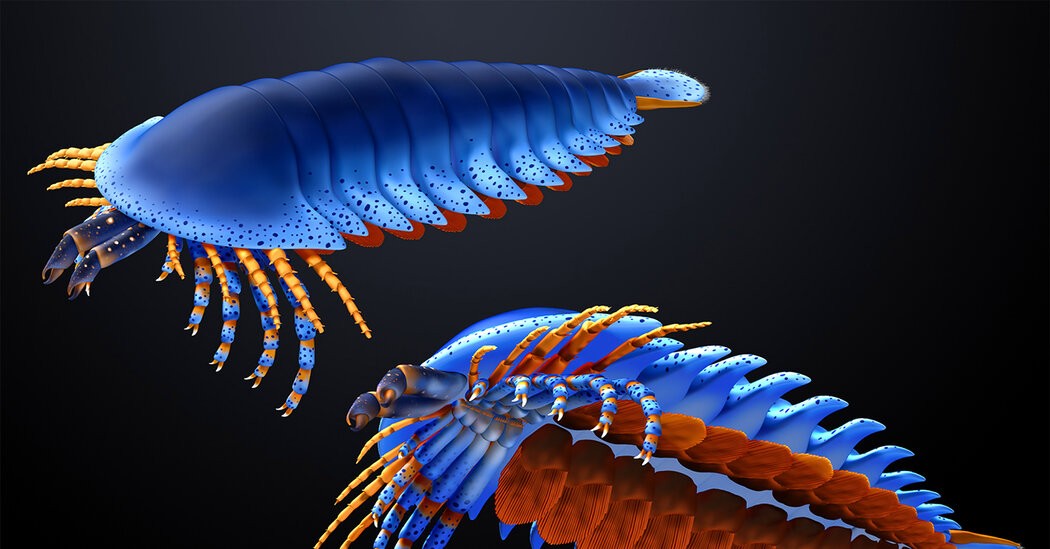
A newly analyzed fossil from Utah is pushing back the known origins of spiders, scorpions, and related creatures (collectively known as chelicerates) to over 500 million years ago. This discovery fills a critical gap in our understanding of arthropod evolution, confirming that these predatory pincers were already a defining feature of life during the Cambrian Period.
The Mystery of the Early Chelicerates
Chelicerates are one of the most successful groups of animals on Earth, with over 120,000 species today. Their defining trait is a pair of chelicerae – specialized appendages used for grasping prey, injecting venom, and even silk production. For years, paleontologists debated when this group first appeared in the fossil record. The oldest previously confirmed chelicerate fossils were about 485 million years old, but scientists suspected their origins lay deeper in the Cambrian, a period of rapid diversification for life.
A Forgotten Fossil Speaks Volumes
The breakthrough came from an overlooked specimen discovered in 1981 by amateur fossil hunter Lloyd Gunther in Utah’s Wheeler Formation. The fossil, a 3.5-inch imprint preserved in rock dating back 507 million years, sat in a museum collection for decades without recognition. Its significance was only realized through recent detailed analysis.
“Finding the pincers is the golden character we need to conclude this is a chelicerate, ” explains Javier Ortega-Hernández, a paleontologist at Harvard and lead author of the study. “It’s not even a smoking gun — this is the gun being fired right in front of you.”
What This Means for Arthropod History
The fossil’s discovery confirms that chelicerates were already well-established by the Middle Cambrian Period. This suggests the group evolved before the Early Ordovician, when horseshoe crab-like creatures appeared in the fossil record. The find also highlights the importance of museum collections and amateur fossil hunters in advancing scientific knowledge. Many valuable specimens remain unstudied in drawers around the world, waiting for the right eyes to examine them.
This fossil provides a clear link between modern chelicerates and their ancient ancestors, proving that these iconic pincers have been shaping the evolution of predatory arthropods for over half a billion years.
The discovery underscores that the Cambrian explosion was even more diverse than previously understood, with complex predators emerging far earlier in Earth’s history.