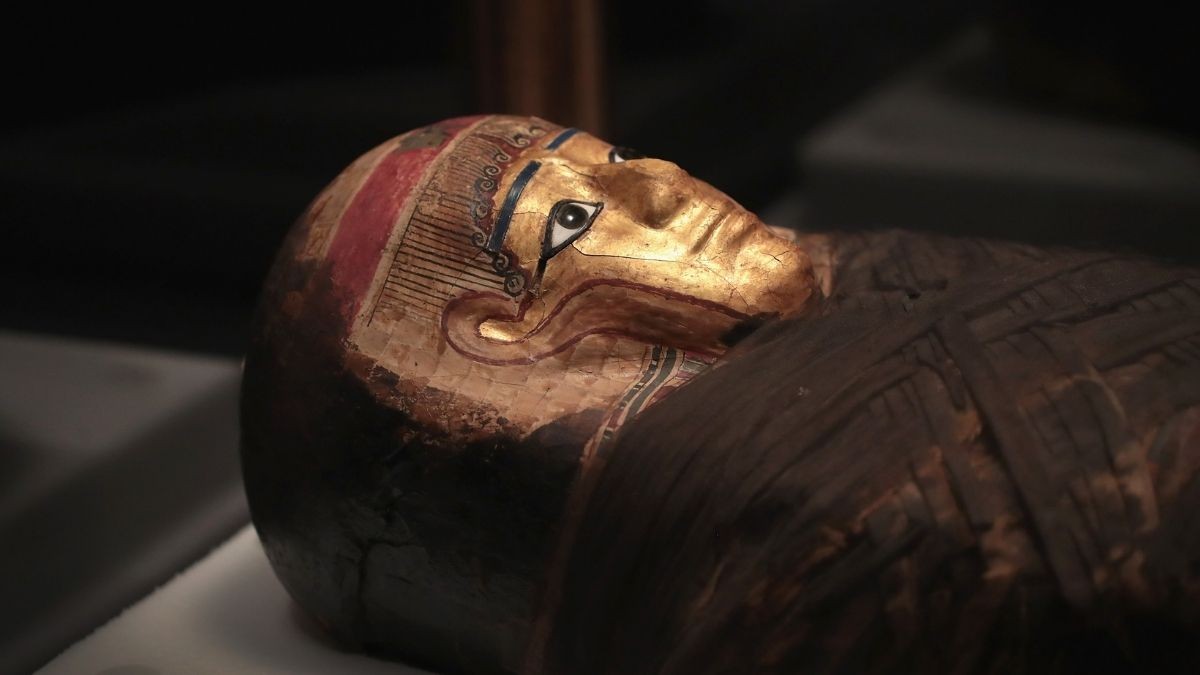
For millennia, the odors clinging to ancient Egyptian mummies have remained a mystery. Now, scientists are employing a novel, non-destructive method – “sniffing” – to unlock the secrets of embalming practices used thousands of years ago. Instead of relying on invasive tissue samples, researchers are analyzing volatile organic compounds (VOCs) released from the air surrounding mummies to reconstruct the chemical recipes used in preservation.
The Problem with Traditional Methods
Traditionally, mummy analysis involves physically removing and dissolving fragments of bandages or tissue to identify the chemical components of embalming fluids. While effective, this process is inherently destructive. Repeated sampling degrades the mummy itself, and some molecules break down during analysis, limiting the information that can be extracted.
The new approach sidesteps this issue. VOCs – molecules that readily evaporate into the air – carry the scent signatures of ancient materials. By capturing these compounds, scientists can analyze them without harming the mummy.
How ‘Sniffing’ Works
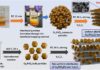
The team from the University of Bristol used gas chromatography and mass spectrometry to analyze VOCs released from 35 physical samples (resin, bandages, and tissue) from 19 mummies dating between 2000 BC and 295 AD. These samples came from museum collections in Europe and the UK.
Each mummy fragment was placed in a sealed chamber, allowing its residual VOCs to accumulate. The trapped gases were then analyzed to identify the specific fats, waxes, and resins used in the embalming process. This method proved consistent with previous, destructive analyses while also offering additional insights.
What the Scents Reveal
The study confirmed that embalming recipes evolved over time. Early mummies were preserved with simpler mixtures of fats and oils. Later periods saw increasingly complex formulas incorporating expensive materials like resins from pine, juniper, and cedar, as well as bitumen.
The scents themselves were described as “woody,” “spicy,” and “sweet”, reflecting the deliberate inclusion of aromatic compounds. These ingredients not only masked the odor of decay but also served a practical purpose: deterring pests and inhibiting microbial growth.
Why This Matters
This non-invasive technique offers a rapid, preliminary screening method for determining a mummy’s age and embalming practices. It allows researchers to prioritize more detailed analyses without damaging valuable artifacts.
The findings highlight the meticulous nature of ancient Egyptian preservation techniques. The shift towards more elaborate recipes suggests that embalming became a status symbol, with wealthier individuals receiving more elaborate and costly treatments.
Ultimately, by simply listening to the scents of the past, scientists are gaining a deeper understanding of one of history’s most enduring practices.