Earth, like any other object blocking light, casts a shadow. But this shadow isn’t just a theoretical concept – it’s something you can actually see under the right conditions, and in more places than you might expect.
The Three Parts of Earth’s Shadow
Because the sun isn’t a pinpoint, Earth’s shadow isn’t sharply defined. Instead, it breaks down into three distinct areas: the umbra (the dark central part), the penumbra (a lighter, peripheral region), and the antumbra (a faint area that appears at greater distances). The umbra is the easiest to see, sometimes reaching 2.7 times the diameter of the moon.
Lunar Eclipses: Earth’s Shadow on Display
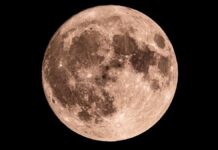
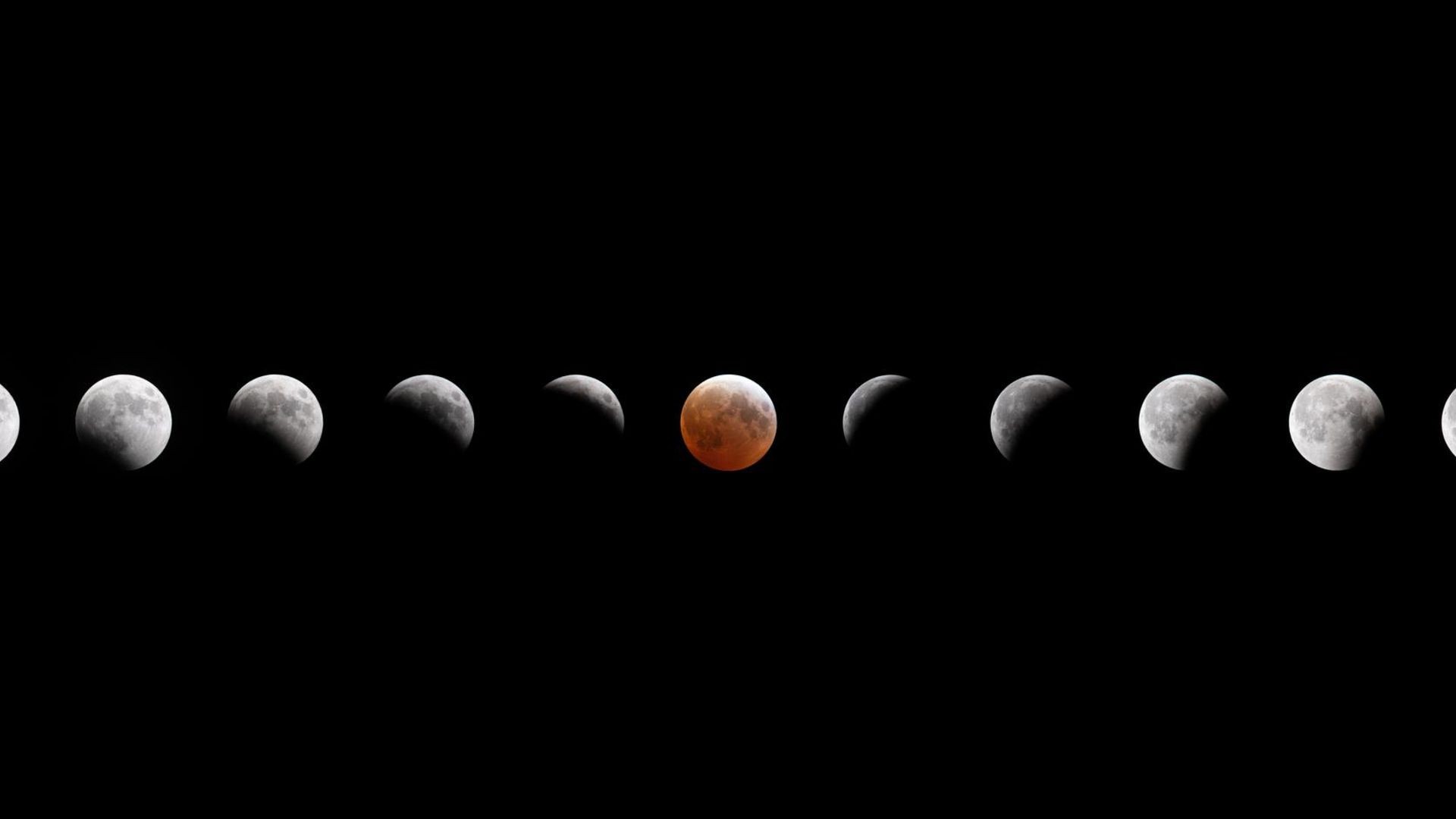
The most dramatic view of Earth’s shadow occurs during total lunar eclipses. As the moon passes fully into the umbra, it doesn’t turn completely black. Instead, it glows a faint to deep red. This is because our atmosphere scatters sunlight, bending reddened beams into the umbra – essentially, you’re witnessing Earth’s sunrises and sunsets reflected on the Moon.
The amount of red visible depends on atmospheric conditions; dustier or cloudier skies will produce a deeper red hue. Sometimes, when the moon straddles the umbra and penumbra, the contrast makes the shadow even more distinct.
Seeing the Shadow Daily
You don’t need an eclipse to see Earth’s shadow. Just before sunrise or after sunset, look opposite the sun. You’ll notice a curved silhouette cast into space, a result of Earth blocking the lowest rays of sunlight. This effect is most visible from high elevations with clear skies.
However, details within the shadow itself are debated: some studies point to dark-blue and brown bands, while others describe a thin, less contrasting dark band. Regardless, the shadow appears for about 15 minutes before disappearing with the rising sun.
Beyond the Moon: Shadows on Satellites and Asteroids
Earth’s shadow isn’t limited to the moon. Telescopes can observe geostationary satellites briefly dimming as they pass through the shadow during eclipse seasons (around the equinoxes). The shadow even affects passing asteroids. In 2016, an asteroid the size of a house was recorded dimming and disappearing as it passed through Earth’s shadow for nearly 11 minutes at a distance of 74,520 miles.
Earth’s umbral shadow extends approximately 870,000 miles into space, meaning it won’t reach distant planets like Mars. But for objects passing closer to Earth, the shadow remains a constant, observable phenomenon.
Earth’s shadow is a reminder of our planet’s physical presence in the cosmos, a subtle but persistent effect that can be witnessed with the right tools and conditions. Its visibility offers not just a spectacular sight, but a window into atmospheric conditions and celestial mechanics.