A remarkable discovery in a central Texas cave has revealed a previously unknown ice-age ecosystem, complete with fossils of extinct giants like lion-sized armadillos and massive ground sloths. The find challenges existing assumptions about the region’s prehistoric environment and highlights the potential for further discoveries in overlooked geological formations.
The Unexpected Find
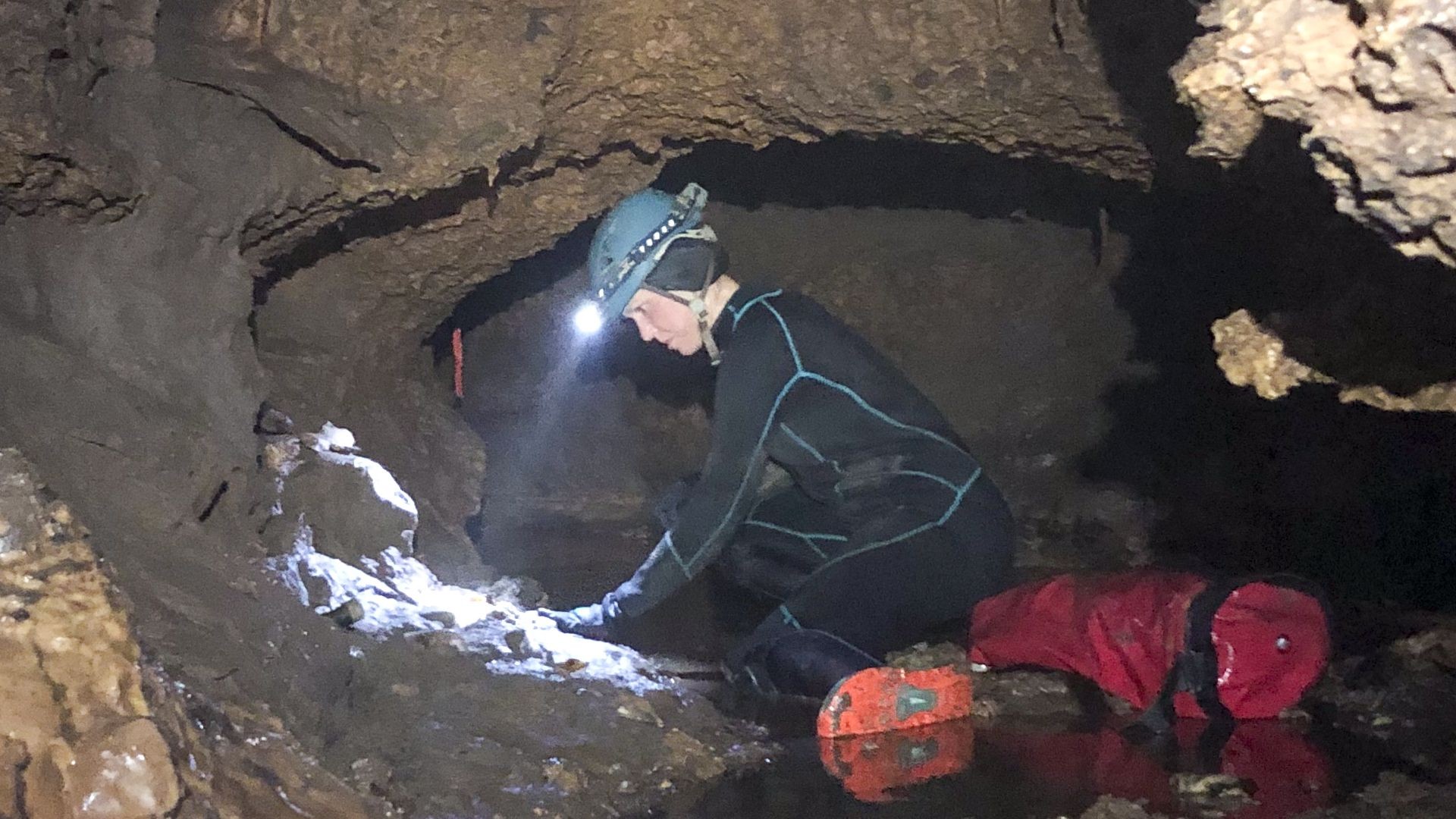
Researchers led by vertebrate paleontologist John Moretti of the University of Texas at Austin stumbled upon the fossils while exploring Bender’s Cave near San Antonio in 2023. The cave, difficult to access due to its underground stream, had remained largely unstudied by paleontologists despite anecdotal evidence from local cavers. Over six expeditions, the team unearthed remains from 21 distinct areas within the cave, including a claw from a Megalonyx jeffersonii (giant sloth), mammoth teeth, and bones of ancient camelids (Camelops ).
However, the most surprising finds were fossils of Holmesina septentrionalis (a massive armadillo relative) and an extinct giant tortoise (Hesperotestudo ). These species were not previously known to have inhabited central Texas during the ice age.
A Climate Puzzle
For over a century, paleontological records from central Texas have depicted a dry grassland environment dominated by grazing animals. The presence of the tortoise and pampathere suggests that the region may have experienced warmer, wetter periods during the last ice age, roughly 100,000 years ago, allowing species adapted to milder climates to thrive temporarily. The researchers hypothesize that the fossils were washed into the cave system through sinkholes during floods, settling on the streambed.
This discovery is significant because it demonstrates that ice-age ecosystems were more dynamic and varied than previously assumed. The fossil record often provides only a partial picture of past environments, and this find underscores the importance of exploring less accessible sites to gain a more complete understanding of prehistoric life.
Dating Challenges and Future Research
Accurately dating the fossils has proven difficult due to the highly mineralized water within the cave, which has eroded collagen proteins used for dating. The bones have absorbed carbon and other minerals, potentially skewing test results. To overcome this, the team is now focusing on dating the calcite crusts that formed on the bones after deposition.
Although this method won’t yield precise ages, it can establish a minimum age for the fossils and help refine our understanding of whether they represent a warmer interglacial phase in Texas’ history. This research highlights the complexities of paleontology, where preservation and contamination often compete to obscure the past.
“We still don’t know everything about the natural world,” Moretti concluded. “There’s still a lot to discover out there.”
The discovery serves as a reminder that even in well-studied regions, hidden ecosystems and untold stories remain buried beneath the surface, waiting to be unearthed.