This week in science saw significant developments across space exploration, medical research, and environmental studies. NASA’s Artemis II mission launched successfully, offering a renewed push toward lunar exploration, while a potential cure for type 1 diabetes in mice has emerged. Meanwhile, research indicates that China’s air pollution reduction efforts have unexpectedly altered Arctic storm patterns.
Artemis II: Humanity Returns to Lunar Orbit
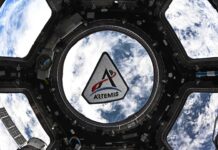
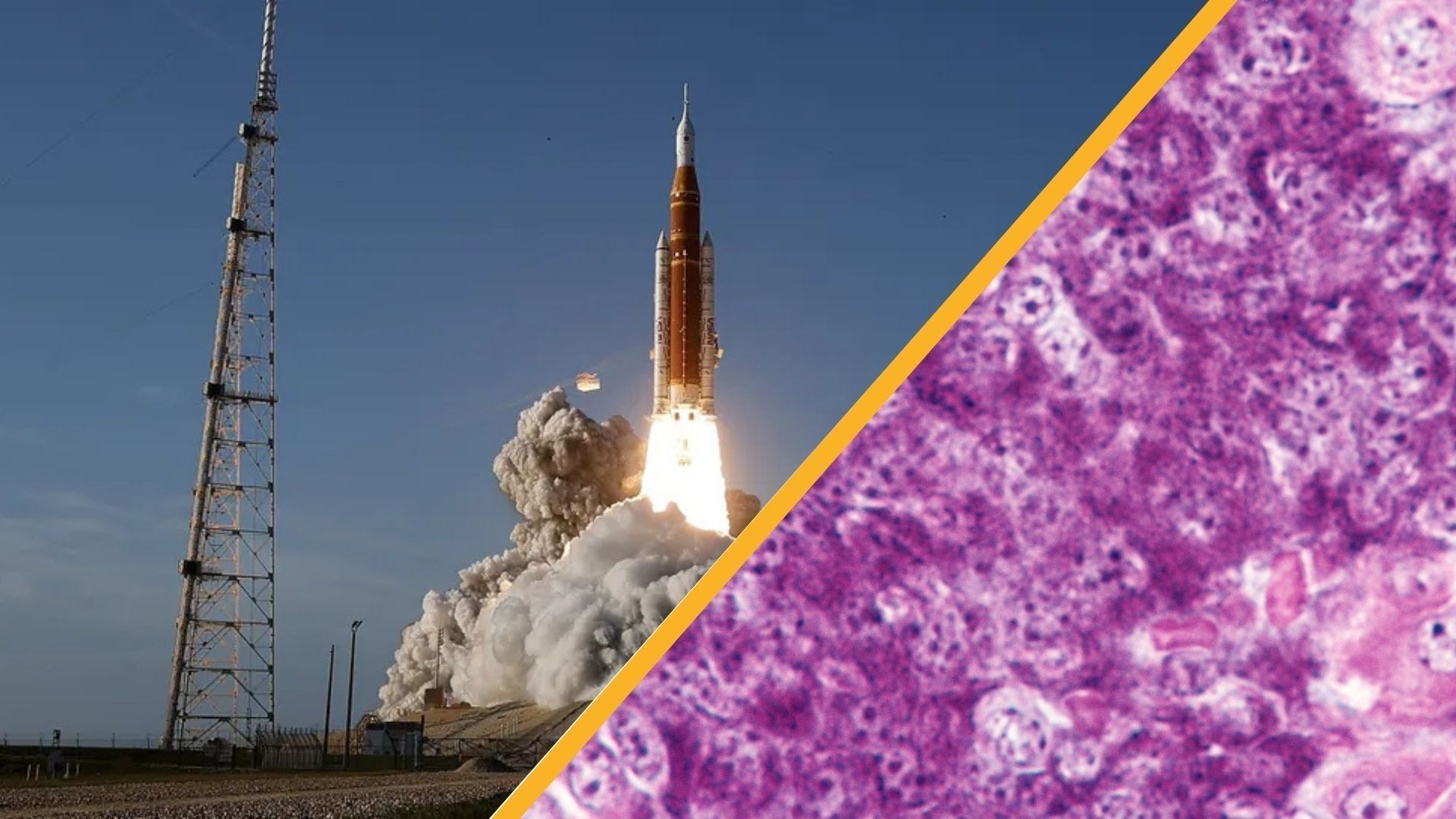
On Wednesday, NASA’s Artemis II mission achieved liftoff from Cape Canaveral, marking the first crewed mission to the moon in over half a century. The Space Launch System rocket and Orion capsule carried four astronauts on a 10-day journey, testing systems critical for future lunar surface missions. The launch proceeded smoothly, despite an initial range issue resolved by the launch team. This mission is a pivotal step in NASA’s broader lunar program, with the crew expected to return to Earth on April 10.
Breakthrough in Type 1 Diabetes Treatment
Scientists have achieved a major milestone in diabetes research by curing type 1 diabetes in mice. The study demonstrated a method for transplanting insulin-producing cells without requiring lifelong immune suppression, a significant complication of traditional transplantation methods. Though further research is needed to confirm efficacy in humans, this breakthrough offers a potential pathway toward a functional cure for the disease.
Unexpected Climate Impacts: China’s Air Quality and Arctic Storms
China’s decade-long effort to reduce air pollution has had an unanticipated consequence: changes in Arctic storm patterns. A recent study reveals that the reduction of sulfate aerosols, achieved through aggressive pollution controls, has inadvertently altered how storms track across the North Pacific. Previously, smog over China diverted storms toward the Arctic, causing ice damage. Now, with cleaner air, these storms are less deflected, potentially mitigating ice loss. However, the disappearance of aerosols also removes their planet-cooling effect, unmasking greenhouse gas-driven warming.
Other Notable Discoveries: Archaeology, Quantum Computing, and More
This week also brought other interesting findings:
- Archaeologists discovered the world’s oldest evidence of gambling in the form of dice invented by Indigenous people in the western U.S. over 12,000 years ago.
- A new study suggests that breaking modern encryption may require less quantum computing power than previously believed.
- Scientists mapped the nerves of the clitoris for the first time, offering insights useful for surgery and medical study.
- A unique “sungrazer” comet, MAPS, is set to make a close, potentially destructive pass near the sun this weekend.
Space Weather and Artemis II: A Calculated Risk?
Despite concerns about radiation exposure during peak solar activity, NASA’s Artemis II mission launched during a period of heightened solar flares and coronal mass ejections. Experts suggest that this timing may not be as dangerous as it appears, as the current solar maximum could offer opportunities to study radiation effects in deep space.
Conclusion
The week’s scientific advancements highlight a range of crucial developments, from renewed space exploration to potential medical cures and complex climate interactions. These findings underscore the importance of continued research and international collaboration in addressing some of humanity’s most pressing challenges.