Spacecraft entering planetary atmospheres face extreme heat due to friction with atmospheric gases. Heat shields, designed to burn away in a controlled process called ablation, protect landers and rovers. New research from the University of Illinois Urbana-Champaign reveals that the composition of the atmosphere dramatically alters how these shields function, a finding with critical implications for missions like NASA’s Dragonfly to Saturn’s moon Titan.
The Ablation Process: Breathing Through Fire
Heat shields don’t simply block heat; they breathe by allowing their outer layers to vaporize, carrying heat away from the spacecraft. This ablation process can be steady or chaotic, depending on the atmospheric environment. Researchers led by Professor Francesco Panerai used the Plasmatron X wind tunnel to simulate hypersonic entry conditions, observing how different gases influenced ablation behavior.
Oxygen Makes Ablation Predictable
In Earth-like atmospheres with oxygen, ablation happens in a consistent manner. The heat shield erodes smoothly, ejecting particles at a stable rate. However, removing oxygen changes everything.
“When the oxygen is removed, this phenomenon becomes unsteady. Intermittent bursts of particles are ejected and, at times, the process becomes violent.” – Francesco Panerai
The study found that without oxygen, ablation becomes erratic, with sudden, forceful bursts of material ejection. This behavior is unexpected and hasn’t been observed in 15 years of ablation research. The violent nature of ablation without oxygen could also lead to buildup of eroded material on the heat shield itself, potentially blocking airflow and reducing effectiveness.
Why This Matters: Dragonfly and Beyond
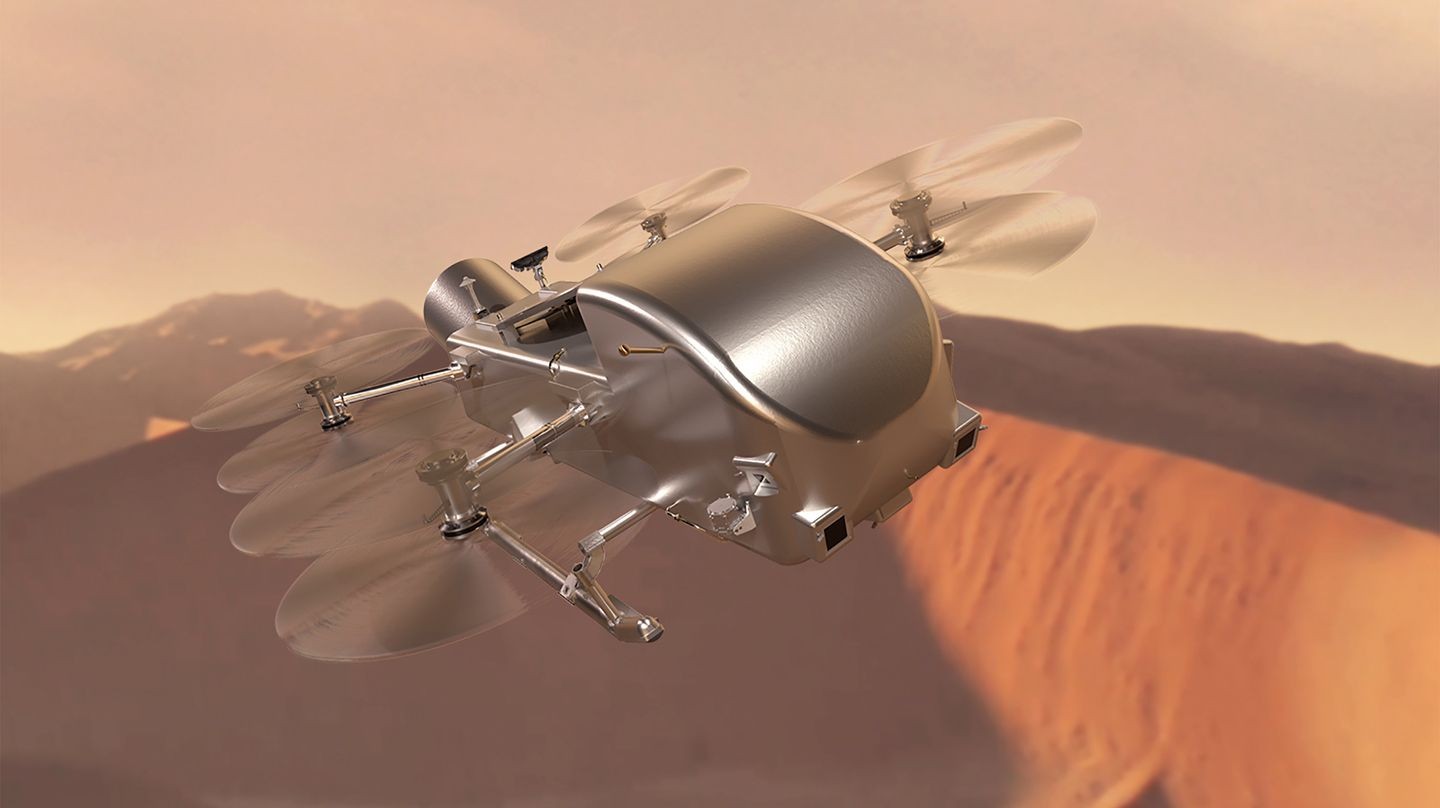
This research is particularly relevant to NASA’s Dragonfly mission, scheduled for launch in 2028. Dragonfly will land on Titan, a moon with an atmosphere 95% nitrogen and 5% methane – radically different from Earth’s oxygen-rich air.
Understanding how Titan’s atmosphere interacts with heat shield materials is crucial. Although the current study doesn’t immediately impact heat shield design, it provides deeper insight into the physics of extreme heat, helping engineers develop more robust protection systems.
The discovery underscores that atmospheric composition is not merely a detail but a fundamental factor in spacecraft survival. Better understanding the interplay between heat shields and different gases will be vital as we explore increasingly diverse and hostile planetary environments.
In conclusion, this research highlights that the behavior of heat shields changes dramatically based on atmospheric composition. This new understanding of ablation under different conditions is essential for designing spacecraft that can safely land on planets and moons with unique atmospheric characteristics, especially as future missions venture further into our solar system.