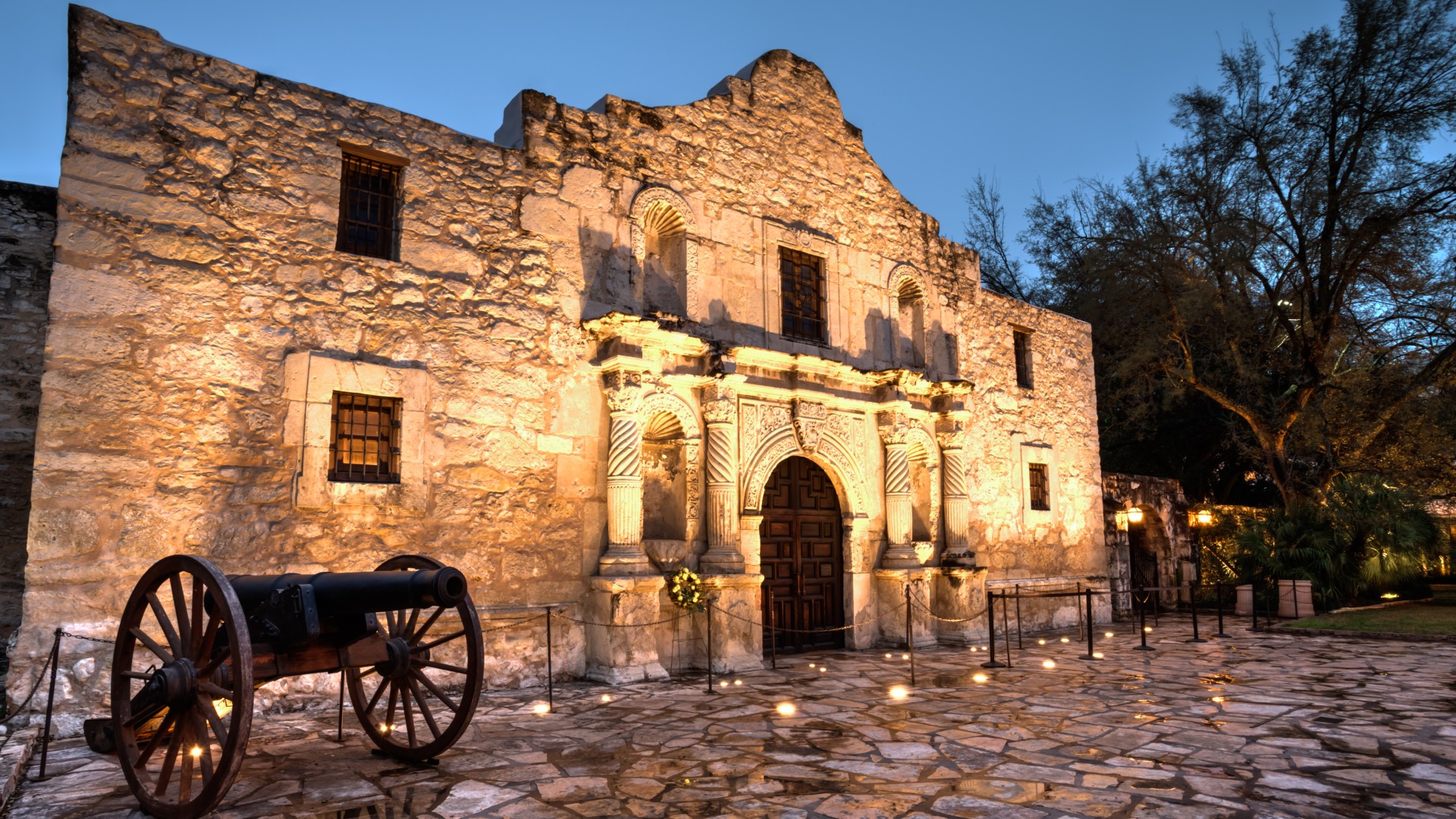
Archaeologists working at the Alamo in San Antonio, Texas, have discovered a remarkably preserved bronze cannonball dating back to the infamous 1836 battle. The find occurred just one day before the 190th anniversary of the conflict, which saw the deaths of legendary figures like Davy Crockett and fueled the Texan fight for independence from Mexico.
The Discovery and Its Significance
The intact cannonball was unearthed approximately three feet below the surface near the Alamo church’s northeast corner on March 5th. Tiffany Lindley, the Alamo’s director of archaeology, described the moment as emotionally charged for the team. This is more than just an artifact; it’s a direct link to a pivotal moment in American history.
The Alamo, originally a Spanish mission founded in 1718, became the site of a 13-day siege in 1836. Roughly 180 Texan defenders, including William Travis and James Bowie, were overwhelmed by thousands of Mexican soldiers under General Antonio López de Santa Anna. Every Texan defender was killed. The battle cry, “Remember the Alamo!”, subsequently became a rallying point for Texan forces who eventually secured independence.
Identifying the Cannonball
The recovered projectile is a 4-pound bronze ball, consistent with the ammunition used by the Mexican army. Texan forces at the time favored iron cannonballs. Kolby Lanham, Alamo’s senior researcher, stated that the artifact likely originated from the siege itself. The team also recovered fragments of hollow cannonballs, likely fired from short-barreled howitzers used by the Mexican army.
The fact that this cannonball remained buried for 190 years underscores the enduring impact of this battle. It’s a rare, tangible connection to the past that will reshape our understanding of the Alamo.
Ongoing Research and Historical Context
Archaeological work at the Alamo is ongoing, continuously yielding new insights into the battle and its aftermath. These discoveries are not just historical curiosities but actively rewrite the narrative of the conflict. Recovering such artifacts helps to refine our understanding of military tactics, weaponry, and the brutal reality of 19th-century warfare.
The timing of this discovery – just before the anniversary – is particularly striking. Lindley herself remarked on the “chills” she felt realizing the cannonball had waited nearly two centuries to be unearthed. The Alamo stands as a powerful symbol of resistance and sacrifice, and this find reaffirms its enduring place in American folklore.
The discovery serves as a potent reminder of the human cost of conflict and the enduring legacy of the Texas Revolution.