Recent findings from China’s Chang’e-4 lander have revealed a previously unknown “cavity” of reduced cosmic radiation between Earth and the moon. This discovery could significantly alter how future lunar missions are planned, offering opportunities to minimize astronaut exposure to dangerous radiation levels.
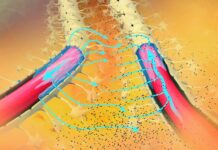
Earth’s Magnetic Field Extends Further Than Expected
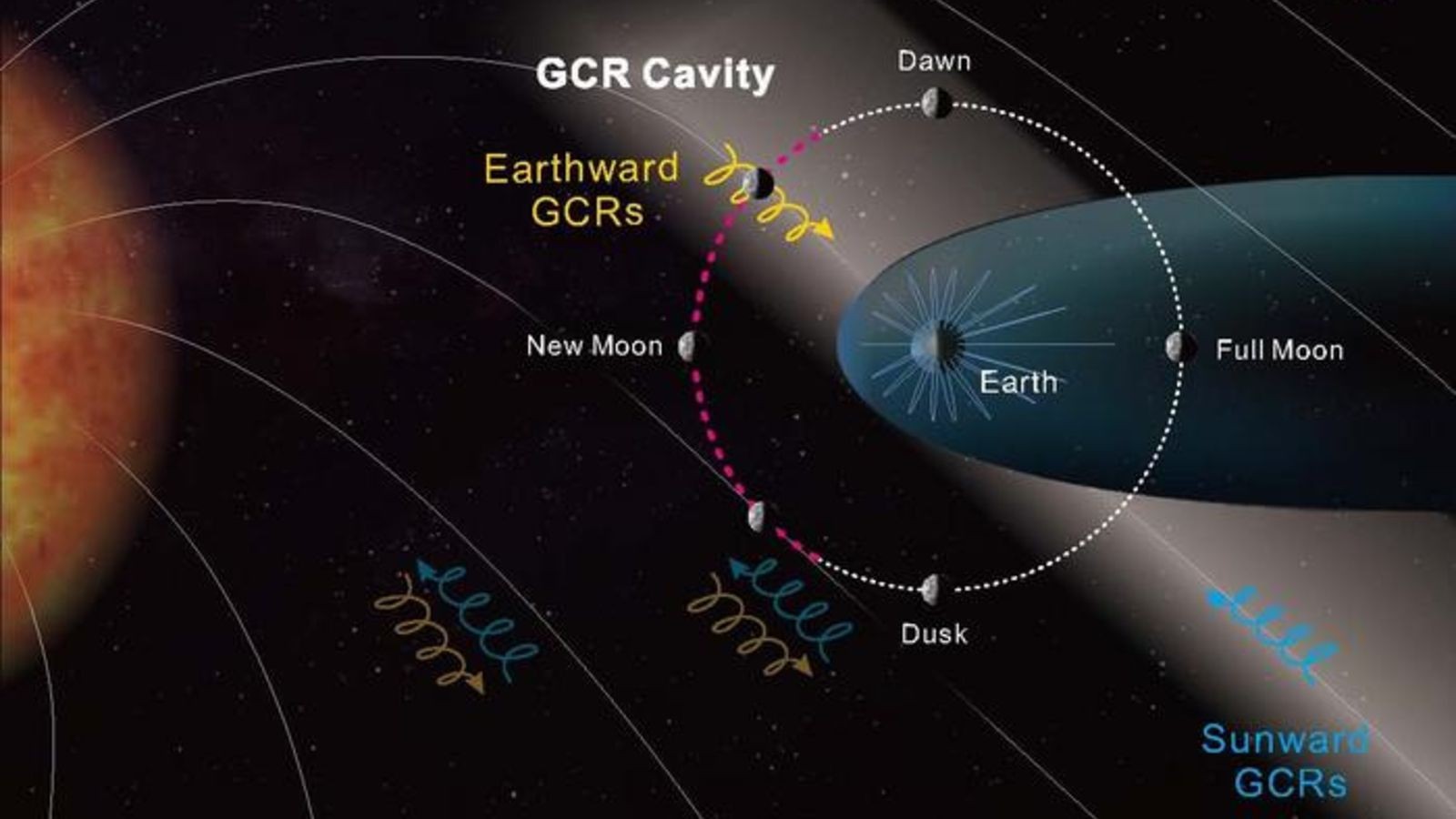
For years, scientists assumed that galactic cosmic rays spread evenly throughout space once they escaped Earth’s magnetosphere. However, data collected over 31 lunar cycles (2019-2022) shows this is not the case. The Chang’e-4 lander’s instruments detected a consistent drop in radiation intensity during the moon’s local morning hours—about 20% lower than average levels.
Why it matters: Galactic cosmic rays pose a major threat to astronauts, as they can damage DNA and increase cancer risk. Reducing exposure is therefore critical for long-duration missions. The discovery suggests Earth’s magnetic field exerts influence over a wider area than previously thought, creating a protective “shadow” around the moon.
Timing Lunar Excursions for Optimal Safety
The study, published in Science Advances, analyzed proton counts from galactic cosmic rays. The reduction in radiation was most pronounced during the waxing gibbous phase of the lunar cycle, meaning that excursions timed for lunar morning hours would expose astronauts to less harmful radiation.
“The next landings will probably be in the polar regions,” explains Robert Wimmer-Schweingruber, a lead researcher. “Lunar morning appears to be the best time for excursions.”
How the Cavity Was Found
Researchers isolated the effect by analyzing data from quiet periods in the solar cycle, where galactic cosmic rays dominated. By correlating proton measurements with the moon’s position in its orbit, they identified a recurring pattern: a clear dip in radiation levels during lunar morning.
Simulations confirmed that Earth’s magnetic field likely creates this effect by deflecting some high-energy protons. The finding challenges assumptions about radiation distribution in space and suggests that Earth’s magnetic influence extends further than previously understood.
Implications for Future Missions
This discovery could dramatically impact mission planning, particularly for NASA’s upcoming Artemis missions and beyond. By leveraging the natural radiation cavity, scientists can minimize astronaut exposure and make long-term lunar habitation more feasible.
“Just like for humans on Earth,” says Wimmer-Schweingruber, “it’s best for astronauts to venture out onto the lunar surface in the local morning hours.”
Future research will focus on mapping the cavity’s size and behavior with greater precision. This will allow for more accurate radiation modeling and further refine strategies for safe and efficient lunar exploration.