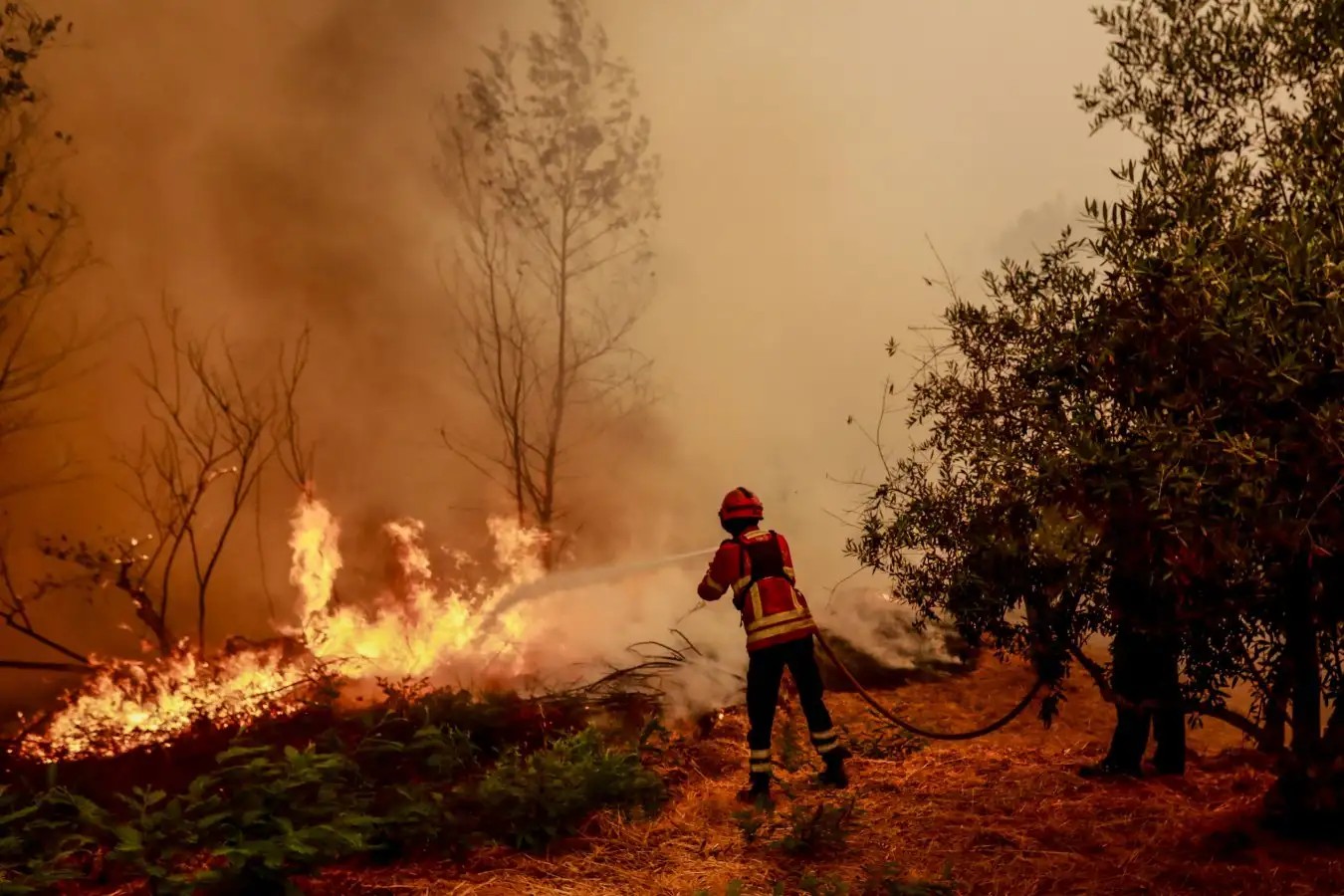
Europe has experienced a year of unprecedented climatic extremes, marked by record-breaking heatwaves, severe droughts, and catastrophic wildfires. According to recent data from the European Centre for Medium-Range Weather Forecasts (ECMWF), the continent is warming at twice the global average rate, a trend that is fundamentally altering its ecosystems and increasing the frequency of natural disasters.
A Continent Under Heat Stress
The scale of the warming in 2025 was widespread, with over 95% of Europe experiencing above-average annual temperatures. The impact was particularly acute in northern latitudes:
– Arctic Extremes: Scandinavia, Finland, and northwestern Russia endured a historic 21-day heatwave, with temperatures reaching 30°C (86°F) even near the Arctic Circle.
– Record Temperatures: The UK, Iceland, and Norway all recorded their hottest years on record.
– Marine Heatwaves: Ocean temperatures reached new highs for the fourth consecutive year. Approximately 86% of European seas experienced marine heatwaves, with the Mediterranean Sea facing extreme conditions where waters reached 30°C—comparable to the temperature of a swimming pool.
This intense heat does more than cause discomfort; it triggers a biological chain reaction. Experts warn that these prolonged periods of heat stress threaten biodiversity by stunting plant growth and facilitating the spread of invasive pests.
The “Tinderbox” Effect: Why Wildfires are Escalating
In August, Portugal and Spain were ravaged by wildfires that burned over 10,000 square kilometers and claimed at least three lives. These blazes were not merely a result of summer heat, but rather a consequence of volatile weather fluctuations.
The mechanism behind these “catastrophic conditions” follows a specific pattern:
1. A Wet Spring: Heavy rainfall led to an abundance of vegetation growth (high “fuel load”).
2. A Record Summer: Extreme heat and wind dried out this new vegetation, turning it into highly flammable material.
3. Extreme Drought: Soil conditions across Europe were the driest in 33 years, with more than a third of the continent—including the UK, Turkey, and Ukraine—suffering from extreme agricultural drought.
The result was a record-breaking year for carbon emissions from fires. Across Europe, wildfires released 47 million tonnes of carbon, with Spain, the UK, Germany, the Netherlands, and Cyprus all surpassing their previous emission records.
Ecological and Economic Risks
The environmental damage extends from the land to the sea. In the Mediterranean, rising water temperatures pose a direct threat to marine life, risking mass die-offs of coral, seagrass, and shellfish, while also increasing the prevalence of harmful bacteria and algae.
On land, the crisis is as much about food security as it is about fire. The extreme agricultural droughts threaten crop yields, while the increasing frequency of fires necessitates new infrastructure, such as firebreaks around national parks, to prevent uncontrollable spread.
The Path Toward Mitigation and Adaptation
While the data paints a grim picture, there are signs of a shifting energy landscape. In 2025, solar power accounted for a record 12.5% of Europe’s electricity, contributing to a total renewable energy share of 46%. Furthermore, European nations are actively participating in international efforts to transition away from fossil fuels following the challenges faced at the COP30 summit.
However, experts emphasize that mitigation (reducing emissions) must be paired with adaptation (preparing for unavoidable changes). This includes preparing for “megadroughts” similar to those seen in the western United States.
“The cost of inaction is significantly higher than the cost of tackling negative impacts,” warned Dušan Chrenek of the European Commission.
Conclusion
Europe’s record-breaking heat and wildfire emissions in 2025 underscore the accelerating pace of the climate crisis on the continent. To mitigate future disasters, Europe must continue its transition to renewable energy while aggressively investing in infrastructure to adapt to a more volatile and drought-prone environment.