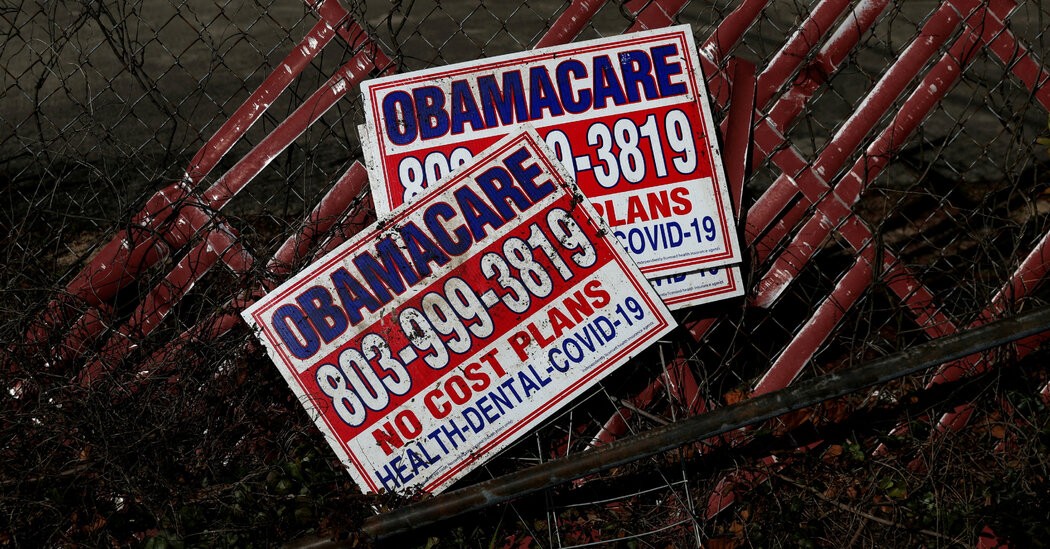
Millions of Americans are facing sharply increasing health care expenses, forcing many to compromise on coverage and medical care. The expiration of enhanced subsidies at the end of 2025 has led to significant premium increases for those buying plans through the Affordable Care Act (ACA) marketplace. Many are now paying substantially more each month, and some are being priced out of coverage entirely.
The financial strain extends beyond the individual market. Employer-sponsored health plans are also becoming more expensive, with employees being asked to shoulder a larger share of the costs through higher contributions from their paychecks. This trend is particularly worrying because employer-sponsored insurance remains the dominant form of health coverage for most working Americans.
The consequences are real and immediate. Faced with unaffordable premiums, people are increasingly opting for plans with extremely high deductibles, meaning they will pay thousands of dollars out-of-pocket before their insurance kicks in. Others are delaying or skipping necessary medical care due to cost, which can lead to worse health outcomes in the long run. Many are making tough trade-offs in other areas of their lives — cutting back on essentials like food or transportation — just to keep health coverage.
This situation is not new, but it is intensifying. Health care costs have been rising faster than wages for decades, driven by factors like aging populations, expensive new technologies, and administrative inefficiencies. The expiration of subsidies was a predictable shock to the system, and now Americans are left grappling with the fallout.
The rising cost of healthcare is not just a financial burden; it’s a systemic issue that forces difficult decisions with real-world consequences.
The current crisis raises questions about the sustainability of the U.S. health system. Without meaningful reforms, the trend of rising costs and declining access is likely to continue, leaving millions more vulnerable.