The US Department of Defense (DoD) has officially released a significant collection of previously classified files concerning Unidentified Anomalous Phenomena (UAPs), commonly known as UFOs. This release includes a mix of government correspondence, internal memos, and visual evidence, marking a shift toward greater transparency in how the US government handles reports of unexplained aerial activity.
Defense Secretary Pete Hegseth announced the release on the official government portal hosting the documents. “These files, hidden behind classifications, have long fueled justified speculation – and it’s time the American people see it for themselves,” Hegseth stated, framing the disclosure as a necessary step to end years of public conjecture.
Beyond the Buzzwords: What’s Actually in the Files?
While the headline-grabbing element of this release is the promise of “UFO files,” the actual content offers a nuanced look at decades of government interaction with the public. The archive consists primarily of two categories: visual records and textual correspondence.
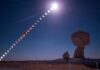
- Visual Evidence: The images released are largely historical photographs taken by military personnel. They typically depict small, indistinct dots or shapes in the sky. While intriguing to enthusiasts, these images often lack the clarity needed for definitive identification.
- Textual Records: The bulk of the release comprises hundreds of pages of documents from the FBI, the Air Force, and other agencies. These include internal memos and, notably, extensive correspondence between the government and private citizens.
The Human Element: Decades of Public Concern
A significant portion of the released material highlights the enduring public fascination with UFOs from the 1940s to the present day. The files contain letters from various groups, including the Amalgamated Flying Saucer Clubs of America and the Fraternity of Cosmic Sons and Daughters, as well as personal inquiries from individuals across the country.
Many of these letters were addressed to J. Edgar Hoover, who served as FBI Director from 1935 to 1972. Some requests were even from children seeking help with school projects. Despite the era-specific variations, the sentiments expressed remain remarkably consistent over time:
1. A belief that UFO sightings are increasing.
2. A suspicion that the government is withholding information.
3. A fear of persecution for voicing these concerns.
This reveals a persistent gap in trust between the public and government agencies regarding unidentified phenomena, a trend that continues to influence modern discourse on UAPs.
Government Findings: Serious Investigation, No Extraterrestrial Evidence
Contrary to the fears expressed in the public letters, the internal government communications suggest a methodical approach to these reports. The documents indicate that thousands of sightings were taken seriously and investigated rigorously. However, there is no evidence in these files to support the existence of extraterrestrial life or technology.
This aligns with recent scientific assessments, including the 2023 report from NASA’s UAP Task Force. That study concluded that the vast majority of UAP reports can be attributed to conventional aircraft, weather phenomena, or sensor artifacts. Only a small fraction remained unexplained, primarily due to poor data quality or blurry imagery.
The Space Mission Mysteries
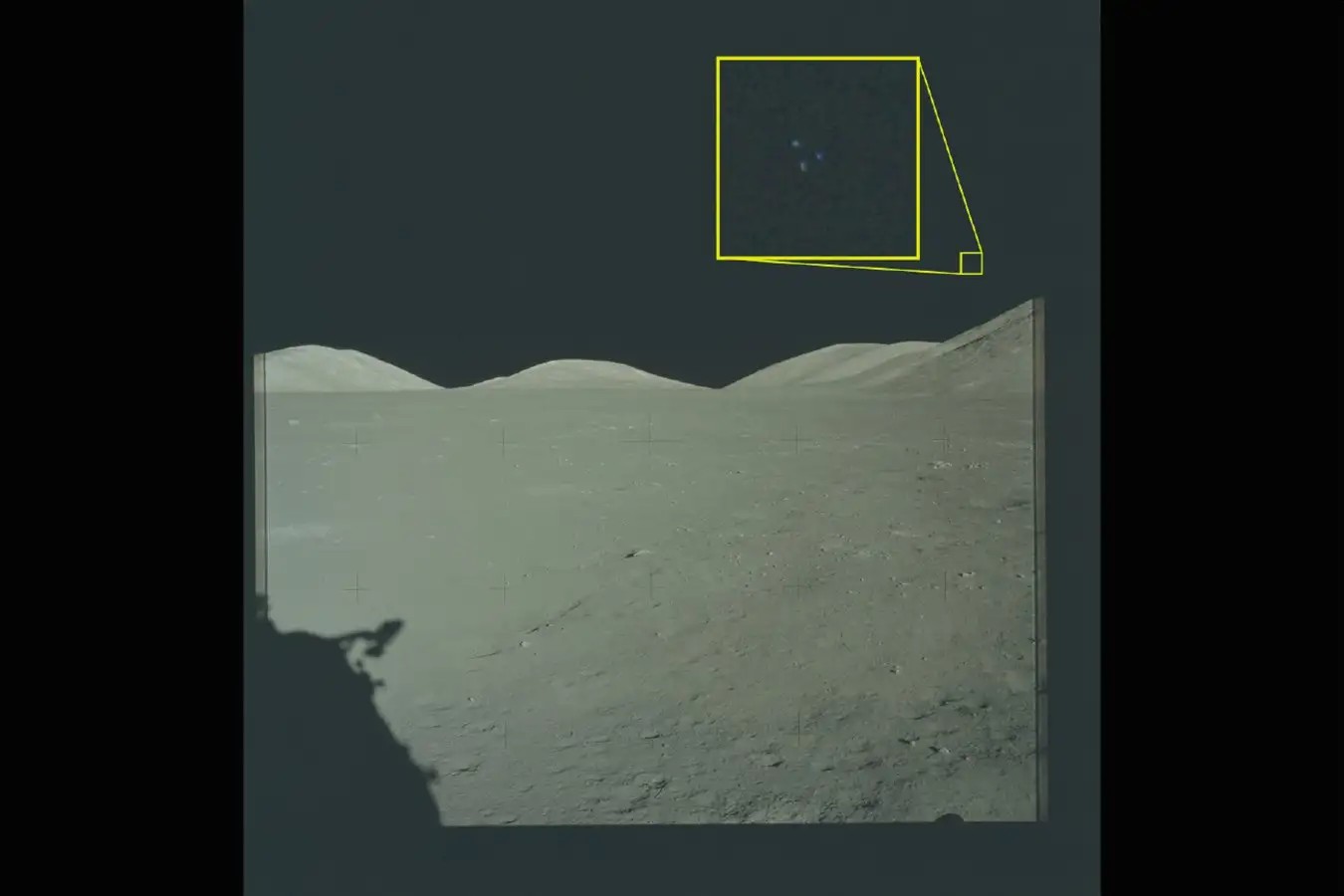
Among the most publicized documents in this batch are transcripts and images from NASA’s Gemini 7, Apollo 12, and Apollo 17 missions. These records detail instances where astronauts observed bright, unexplained lights in space.
While some of these sightings have remained unresolved, most have been scientifically explained as:
* Micrometeoroid impacts on the spacecraft or lunar surface.
* Floating debris in orbit.
* Camera lens flares or film defects.
Despite these explanations, a few cases remain technically “unexplained,” prompting renewed interest from both the public and the administration.
Ongoing Investigations and Future Releases
In response to the remaining unexplained cases, the DoD has launched a new investigation. Under directives from the Trump administration, the department is tasked with conducting separate reporting on any unresolved UAP cases.
This release is not a one-time event. According to the DoD website, this is merely the first installment of a rolling series of document declassifications. More files are expected to be released every few weeks as additional materials are reviewed and cleared for public access.
Conclusion
The DoD’s release of these UFO files serves to demystify the government’s historical handling of UAP reports, showing a pattern of serious investigation rather than cover-up. While the documents do not confirm extraterrestrial contact, they highlight the enduring public curiosity and the ongoing effort to explain the few remaining anomalies through rigorous scientific analysis.