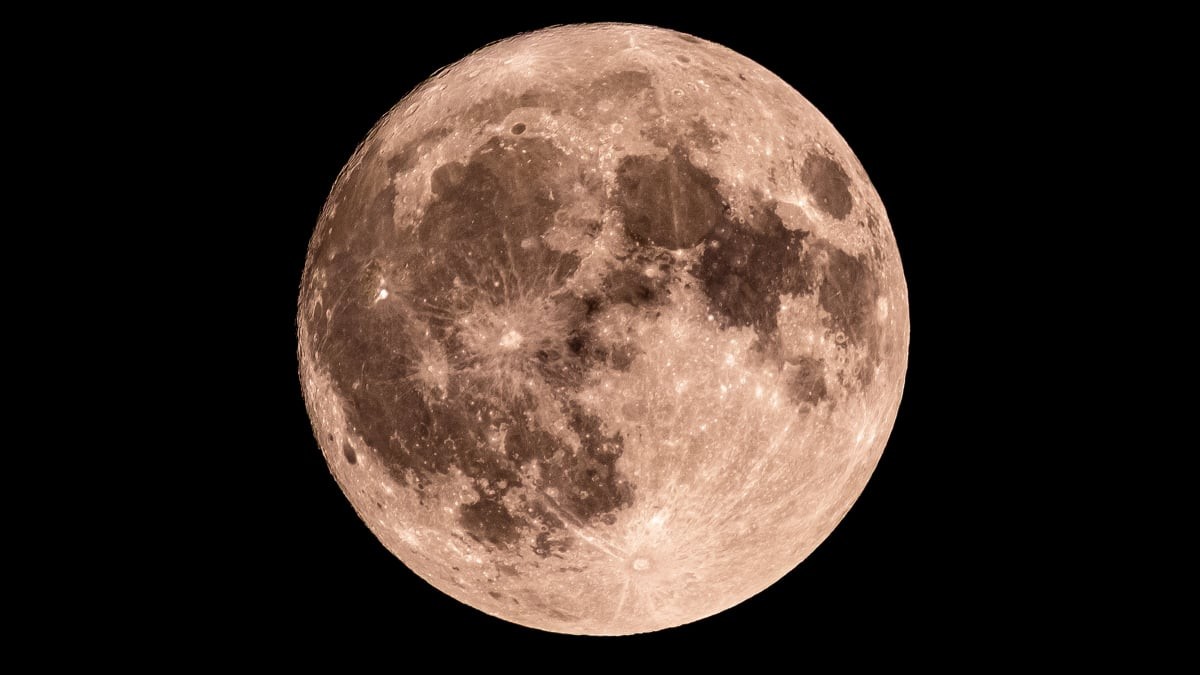
Tonight, May 1, 2026, the night sky will be illuminated by a Full Moon, marking the first of two full lunar cycles occurring this month. Traditionally known as the Flower Moon, this celestial event offers a prime opportunity for stargazers to observe the lunar surface in high detail.
Observing the Lunar Surface
Because the Moon is 100% illuminated tonight, various lunar features will be highly visible depending on the equipment you use:
- With the naked eye: Look for prominent features such as the Mare Serenitatis (Sea of Serenity), the Tycho Crater, and the Copernicus Crater.
- With binoculars: You can achieve deeper detail, revealing craters like Posidonus, Archimedes, and Alphonsus.
- With a telescope: Advanced observers can spot even more intricate details, including the Apollo 16 landing site, the Rima Hyginus (a lunar rille), and the Fra Mauro Highlands.
Understanding the Lunar Cycle
The changing appearance of the Moon is not due to the Moon itself changing shape, but rather the shifting angle of sunlight hitting its surface as it orbits Earth.
According to NASA, the Moon completes a full orbit roughly every 29.5 days. During this journey, it passes through eight distinct phases. This cycle is why we see a progression from a dark, invisible “New Moon” to a “Waxing Crescent,” moving through “First Quarter” and “Gibbous” stages until the Moon reaches its peak illumination: the Full Moon. Following this peak, the light begins to “wane,” returning through the “Third Quarter” and “Waning Crescent” phases until the cycle resets.
Looking Ahead
If you miss tonight’s viewing, there is a second opportunity this month. A second Full Moon is scheduled for May 30 (in North America) or May 31, depending on your global time zone.
This occurrence of two full moons in a single month is a notable lunar event, providing enthusiasts with two distinct windows for observation within a short period.
Summary: Tonight’s “Flower Moon” provides a fully illuminated view of the lunar landscape, offering different levels of detail for observers ranging from casual stargazers to those using professional telescopes.