


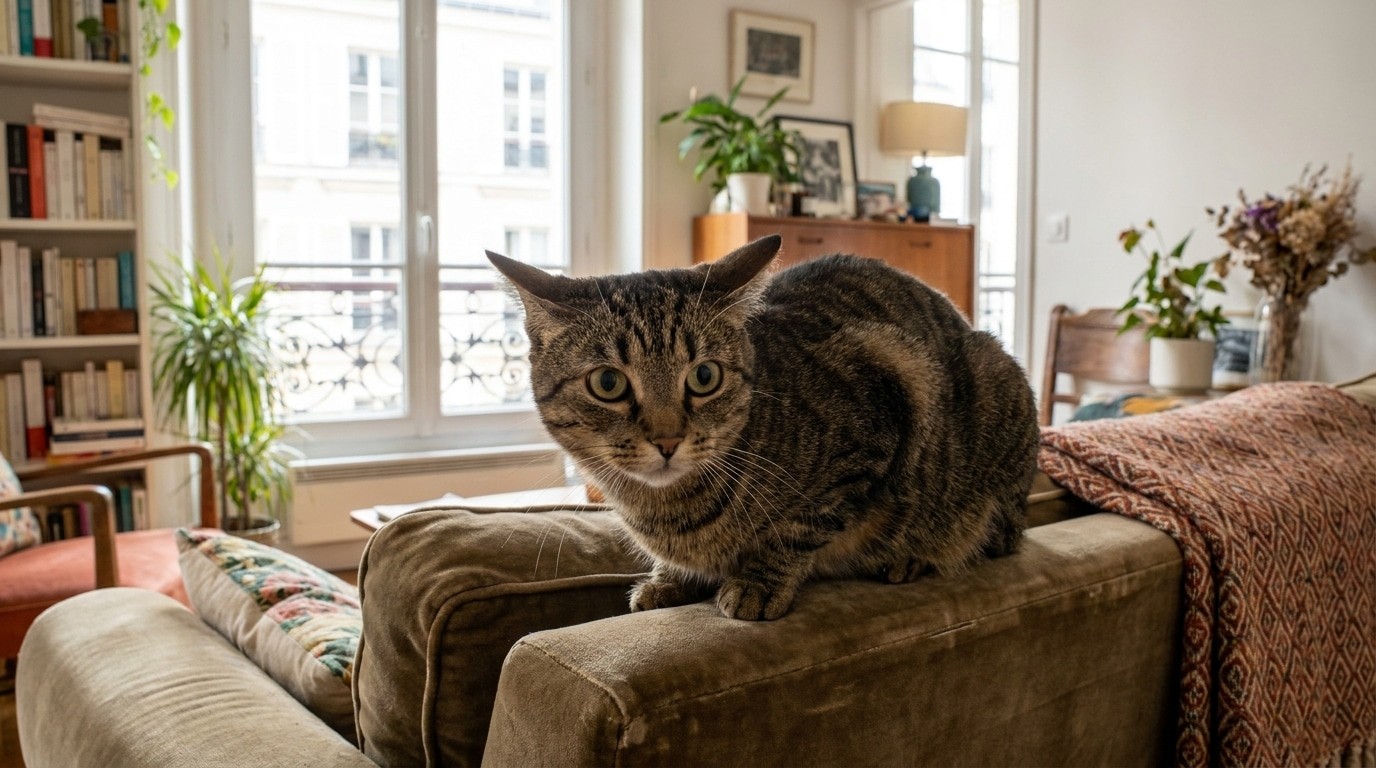
You wake up. You reach out to pet your cat. Suddenly, claws are out.
It feels personal. It feels like you are living with a tiny, cruel panther who hates you. You aren’t alone in this feeling. Summer heat, open windows, and general human chaos don’t exactly help. We often just take the hits. We assume the behavior is hardwired. We think it’s in the blood.
But here is the truth. A cat with aggression issues isn’t usually evil. The behavior is learned. It is a reaction to discomfort. It stems from stress, fear, or a lack of proper socialization early in life. The invisible trigger is often how we manage their comfort zone. A sudden movement. An unwanted belly rub. A lack of escape routes. These aren’t affectionate gestures to the cat. They are threats. The cat attacks to protect its physical and mental integrity.
Medical Root Causes First
Before you try to become an amateur behaviorist, look at the body. A sudden change in temperament often hides a hidden pain.
You need to rule out medical issues. Joint problems. Dental disease. Urinary tract issues. These conditions cause chronic, low-grade pain that manifests as irritability.
“A cat that has suddenly developed a bad attitude is almost always hiding a dull pain.”
Once the vet confirms the body is healthy, you can work on the mind. The goal here is to rebuild trust. The method isn’t punishment. It’s desensitization coupled with counter-conditioning.
This sounds technical. It’s simple in practice. You associate scary stimuli with good things. If a hand reaching out causes anxiety, pair that hand with a high-value treat. The cat learns that human hands don’t mean pain. They mean rewards. This happens at the animal’s pace. No physical forcing. No constraints.
Enriching the Territory
Instinctual defensiveness only dies when the home feels like a sanctuary. The living space needs to be rich. Adapted.
An enriched environment requires specific features:
– High resting spots that are inaccessible to others.
– Sturdy scratching posts.
– Observation points for the outside world.
This is vital in June. Watching birds is a distraction. It keeps the cat occupied without the stress of direct interaction.
Routine is equally important. Stability breeds calm. Feed the cat at the same times. Include short, frequent play sessions that mimic hunting. This structure makes the day predictable. Predictability reduces anxiety. Reduced anxiety lowers the likelihood of an aggressive outburst.
The Real Question
Free aggression doesn’t exist in felines. What looks like meanness is usually fear, deep stress, or ignored pain.
You eliminate medical causes. You provide stimulating spaces. You stabilize the routine. The tension drops. You put away the bandages. You start enjoying genuine companionship.
But consider this. Does your current environment actually meet your cat’s needs as a predator? Or are you just waiting for the next scratch?


